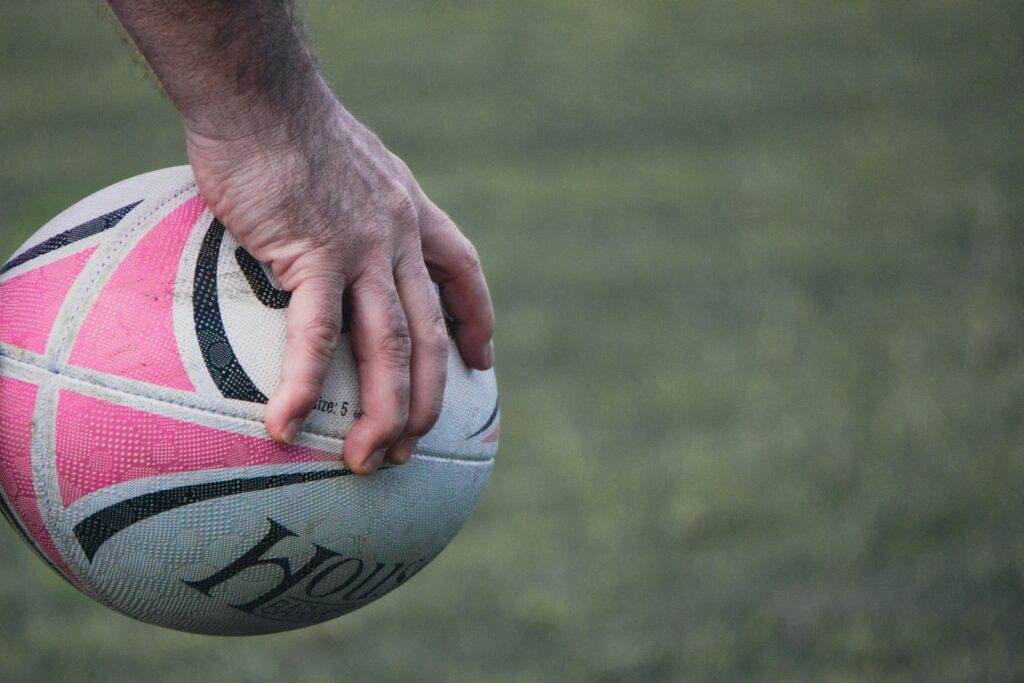
RUGBY has been part of Namibian life for over a century, surviving colonial administration, apartheid-era segregation, and the considerable logistical challenges of governing sport across one of the world’s most sparsely populated countries.
The game arrived in 1916 through South African soldiers occupying the former German colony, and embedded itself quickly in Afrikaner communities.
Under South African rule, the territory competed as South West Africa in the Currie Cup, and rugby became closely tied to white Namibian identity, administered under racially segregated structures that persisted until independence in 1990.
The Namibia Rugby Union (NRU) was formed that same year.
Ever since, the sport has been working to broaden its demographic base, with progress that remains incomplete.
The FNB-sponsored Premier League provides the domestic spine, with clubs from Windhoek, Walvis Bay, and Grootfontein competing in a round-robin format.
The Namibia Secondary Schools Rugby league runs competitions from under-14 through to under-19.
In October 2024, the NRU launched T1 Rugby, reaching around 800 girls at four Windhoek schools within weeks.
Player retention and a shortage of grassroots coaches remain the most pressing structural problems.
Seven consecutive Rugby World Cups since 1999 represented a proud record built on determination and limited resources.
Zimbabwe’s emergence as a continental rival proved costly, with defeats in both the 2024 and 2025 Rugby Africa Men’s Cup finals sending the Welwitschias to a final qualification tournament in Dubai.
They lost to Belgium and Samoa, finished third, and unfortunately, will not be in Australia in 2027.
Jacques Burger remains the defining figure of the modern era, a flanker who represented Namibia at three World Cups, was named one of the top five players at the Rugby World Cup in 2011.
He won two Premiership titles with England’s Saracens before returning to Namibia as director of rugby.
Rudie van Vuuren occupies a strange place in Namibia’s rugby history, in 2003 becoming the only person ever to compete in both a cricket and rugby world cup in the same calendar year.
Although the grassroots work underway points in the right direction, the gap between Namibia and the nations now overtaking them will not close without sustained investment.
And missing the 2027 World Cup demands an honest response from the NRU.
But the Welwitschias’ nickname has always implied survival under pressure.
Whether this moment becomes a turning point depends on what happens next.
Follow Rugby365 to stay ahead of all your rugby news.
*This article was produced by Another Concept, a United Kingdom-based digital marketing agency.