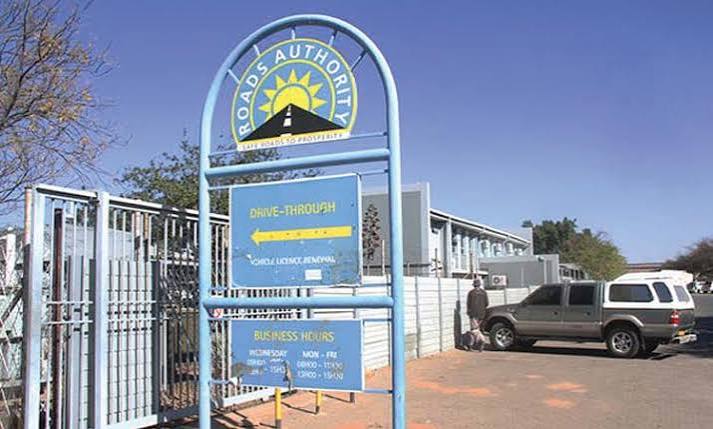
Road users and transport operators have strongly criticised the Roads Authority’s decision to raise vehicle licence and permit fees by up to 20%.
They say the increase will put more pressure on motorists, businesses and commuters already battling the rising cost of living.
The authority recently announced that vehicle licence fees will increase by 10%, while abnormal load fees and road carrier permit charges will rise by 20% from tomorrow.
The approved Government Gazette detailing the revised road user charges will be published in due course, it says.
Samco Import and Export CC general manager Fatima Dirk says transport companies will immediately feel the impact of the increases.
“She says many transport operators wait until permit payments are due before settling them, while her company pays every month or every second month to avoid large payments.
“Some companies wait until the permit payment is due before they pay.
“We try our best to pay it every month or every second month so that it is not hard at the end of the day,” Dirk says.
She asks what road users would receive in return for higher charges.
Dirk says trucking companies carry much of the financial burden through permit and road user charges.
“They don’t have a plan on how this money benefits us, such as providing proper rest places along the roads.
“What are they giving back to the road users, especially the truck drivers? It is us, the trucking companies, that are paying these charges,” she says.
Road user Benjamin Pablo says: “The increase in road user charges and vehicle permit fees is bad, especially at a time when many people are already struggling with the high cost of living.”
He is urging the government to improve the country’s road infrastructure before introducing higher charges.
“The government must ensure road users receive value for the money they pay.
The timing of this increase is difficult for many Namibians,” he says.
Independent Patriots for Change member of parliament and shadow minister of works and transport Nelson Kalangula says the increases are poorly timed, despite the need to fund road maintenance and rehabilitation.
He says the tariffs should not be implemented before they are gazetted.
“Transport operators cannot adjust their pricing structures or financial compliance models on press statements alone,” he says.
Kalangula says statutory tariffs only become enforceable once they have been gazetted and announcing implementation dates before publication creates legal uncertainty.
He says the parliament, transport associations and civil society should have an opportunity to scrutinise the full tariff schedule before it takes effect.
Kalangula calls on the Ministry of Works and Transport and the Ministry of Finance to ensure the tariffs are gazetted before they are implemented.
“No new tariff structure should be collected or enforced at Natis offices or weigh bridges until the Government Gazette is officially published and made accessible to the public,” he says.
He also urges the RA and the Road Fund Administration (RFA) to explain how the additional revenue will be spent.
RFA chief executive Ali Ipinge says any additional revenue would help address the funding gap for road infrastructure projects.
“Definitely any additional income from the adjustment in tariffs will help us to cover the funding shortfall for road projects.
Any additional funds that come to the fund will definitely help,” he says.