



The admission requirements for studying medicine (Bachelor of Medicine and Surgery) at the University of Namibia are noble in their intent – to ensure academic excellence and produce capable medical doctors.
However, setting the bar at 35 points in the Namibia Senior Secondary Certificate or an existing bachelor’s degree from another field effectively shuts out a large cohort of experienced and dedicated healthcare workers from pursuing their dream of becoming doctors.
There is growing concern among many in the health sector, especially those who have served in the Ministry of Health and Social Services as enrolled nurses, registered nurses with diplomas, pharmacy assistants and health assistants.
These are individuals who may not have obtained the necessary academic points in high school, but who have accumulated invaluable years of knowledge, hands-on experience and patient care expertise.
Their work on the frontline of Namibia’s healthcare system is testimony to their ability, compassion and resilience.
BARRIERS
Unfortunately, the rigid academic entry barrier does not consider this vital experiential knowledge.
These individuals are not only motivated but also show great aptitude in clinical settings.
They have long been part of the system – assisting doctors, administering treatment, monitoring patients – and they understand the human side of medicine deeply.
Should such experience not be considered as part of the admission process?
Unam has previously provided flexible academic entry for other fields.
For example, translators in the legal system were given pathways to transition into the legal profession.
Why can’t the same be considered for those within the healthcare sector who aspire to study medicine?
We propose the reintroduction of the Mature Age Entry system for medicine, similar to that which existed before 2019.
Candidates could be assessed through interviews, clinical practical evaluations, or competency-based entrance exams tailored to gauge their potential for medical study rather than past school grades.
POSSIBILITIES
Namibia is in dire need of doctors, especially those willing to serve in rural and underserved communities.
Why not empower those who have already demonstrated their dedication to healthcare?
Opening up alternative pathways into the programme would not only help alleviate our doctor shortage but would also harness invaluable experience, as well as reward hard work and loyalty shown by healthcare workers over the years.
Let’s not limit our nation’s future doctors based solely on their high school performance.
Let’s rather open the door for committed, capable professionals who have proven their worth in the field and who want to build on their experience.
Medicine is not just a science, it’s also a calling.
Let’s give those who have answered that call a fair chance.
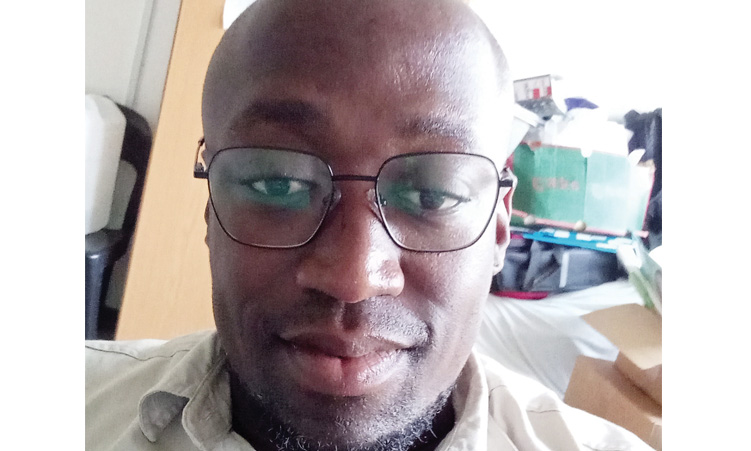
– Issy /Oxurub is a health professional, a nurse by profession, and has served in both the private and public health sectors for more than 15 years. The views expressed here are entirely his own.
In an age of information overload, Sunrise is The Namibian’s morning briefing, delivered at 6h00 from Monday to Friday. It offers a curated rundown of the most important stories from the past 24 hours – occasionally with a light, witty touch. It’s an essential way to stay informed. Subscribe and join our newsletter community.

The Namibian uses AI tools to assist with improved quality, accuracy and efficiency, while maintaining editorial oversight and journalistic integrity.
Stay informed with The Namibian – your source for credible journalism. Get in-depth reporting and opinions for
only N$85 a month. Invest in journalism, invest in democracy –
Subscribe Now!