




Independence is the state in which a nation exercises full control over its political, economic, and social systems without external domination.
It goes beyond symbolic sovereignty to include ownership of resources, self-determination and mental liberation.
True independence means that citizens are not only governed by their own people but also benefit equitably from the country’s wealth and opportunities.
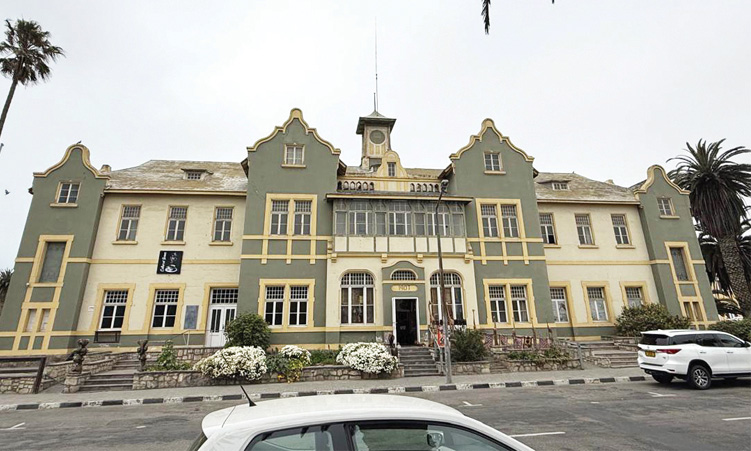
Namibia’s independence in 1990 marked a historic victory against colonial rule.
The country established democratic institutions, constitutional governance and international recognition as a sovereign state.
Politically, Namibians gained the right to vote and determine their leadership, laying a strong foundation for nation-building.
UNFINISHED STRUGGLE
Despite political freedom, economic independence remains limited.
A significant portion of Namibia’s natural resources continues to be controlled by foreign interests, with wealth often flowing out of the country.
The economy still reflects a colonial structure, where raw materials are exported with little local value addition. This raises concerns about who truly benefits from Namibia’s riches.
Namibia remains one of the most unequal countries in the world, with deep disparities in wealth, land and opportunity.
Land ownership is still largely concentrated in the hands of a minority, many linked to colonial history.
This imbalance affects access to livelihoods, housing and economic participation, leaving many Namibians marginalised.
THE ‘BORN FREE’ NARRATIVE
The concept of being “born free” deserves critical examination.
While younger generations did not experience colonial rule directly, they often inherit its structural inequalities.
True independence requires mental emancipation – the ability to think, create and define success outside of colonial frameworks.
Freedom must be experienced not just politically, but in everyday life.
Political independence without economic empowerment risks becoming symbolic.
If the majority of citizens remain unemployed, landless, or economically excluded, then freedom is incomplete.
Economic emancipation involves restructuring ownership, expanding access to opportunities, and ensuring inclusive participation in the economy.
THE NAMIBIA WE WANT
While Independence Day is a moment of pride and celebration, it should also be a time for reflection.
Namibia has achieved peace, stability and democratic governance, but challenges such as inequality, unemployment and land reform persist.
These realities call for honest national dialogue.
The future of Namibia depends on a shared vision of inclusive development and true freedom.
This includes equitable land distribution, economic transformation, quality education for all and meaningful employment.
Independence must evolve from a historical event into a lived experience that benefits all citizens.
Independence is not a destination but a continuous journey. It requires constant reassessment, policy reform, and active participation from citizens.
The challenge for Namibia is to deepen its independence – transforming political sovereignty into real economic, social and mental freedom for all.
- Sakaria Johannes is a political science graduate from the University of Namibia; sackyuutsi@gmail.com
In an age of information overload, Sunrise is The Namibian’s morning briefing, delivered at 6h00 from Monday to Friday. It offers a curated rundown of the most important stories from the past 24 hours – occasionally with a light, witty touch. It’s an essential way to stay informed. Subscribe and join our newsletter community.

The Namibian uses AI tools to assist with improved quality, accuracy and efficiency, while maintaining editorial oversight and journalistic integrity.
Stay informed with The Namibian – your source for credible journalism. Get in-depth reporting and opinions for
only N$85 a month. Invest in journalism, invest in democracy –
Subscribe Now!