



Low youth voter turnout at Oshana polling stations sparks concern
• HILENI NEMBWAYA
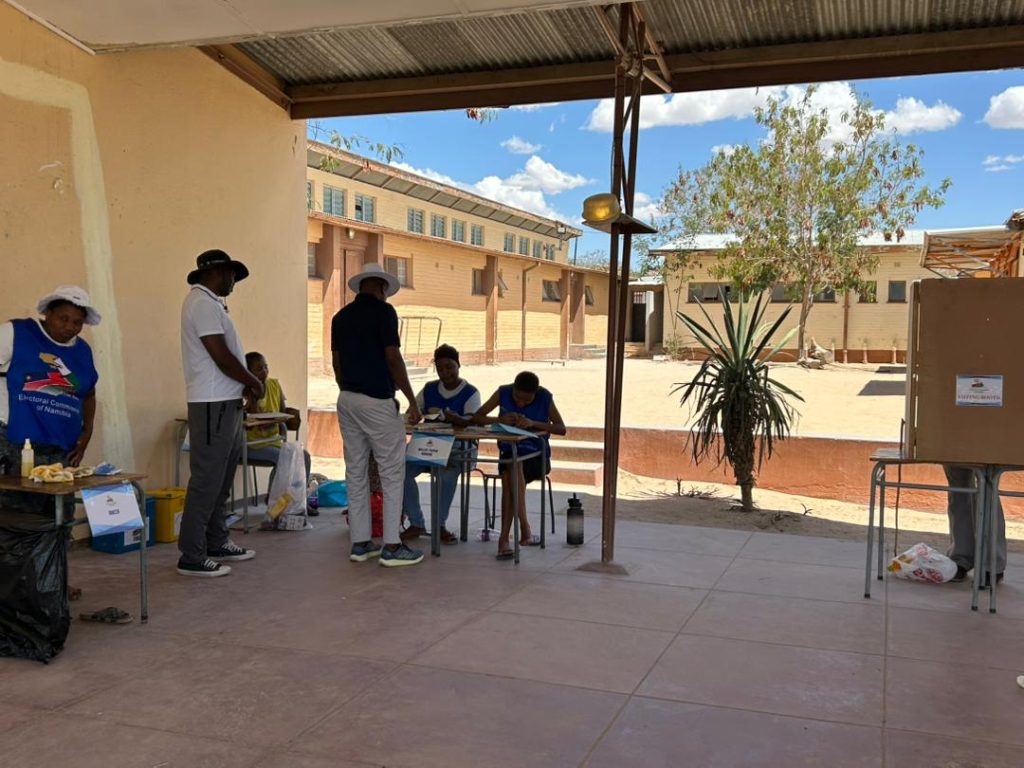
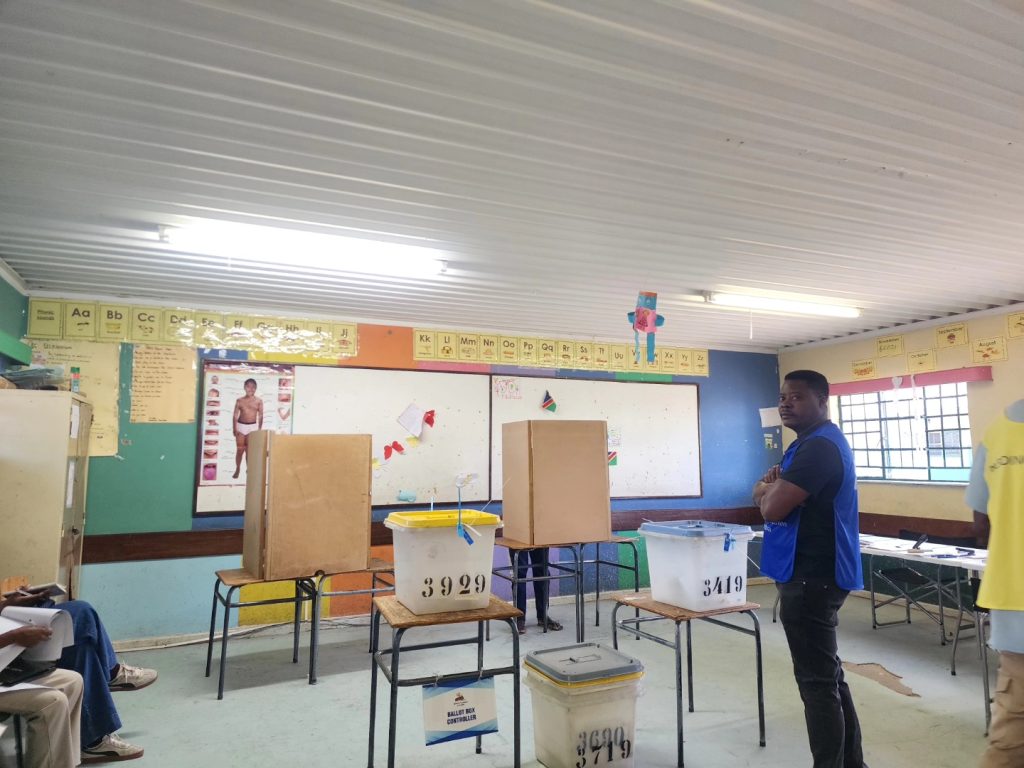
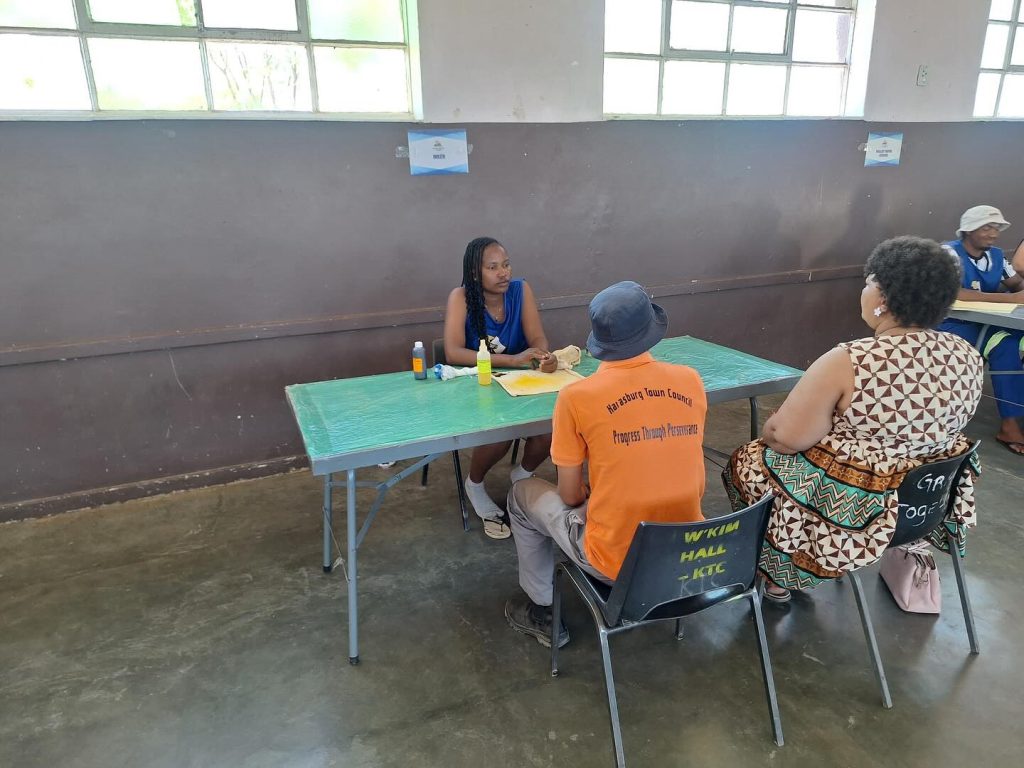
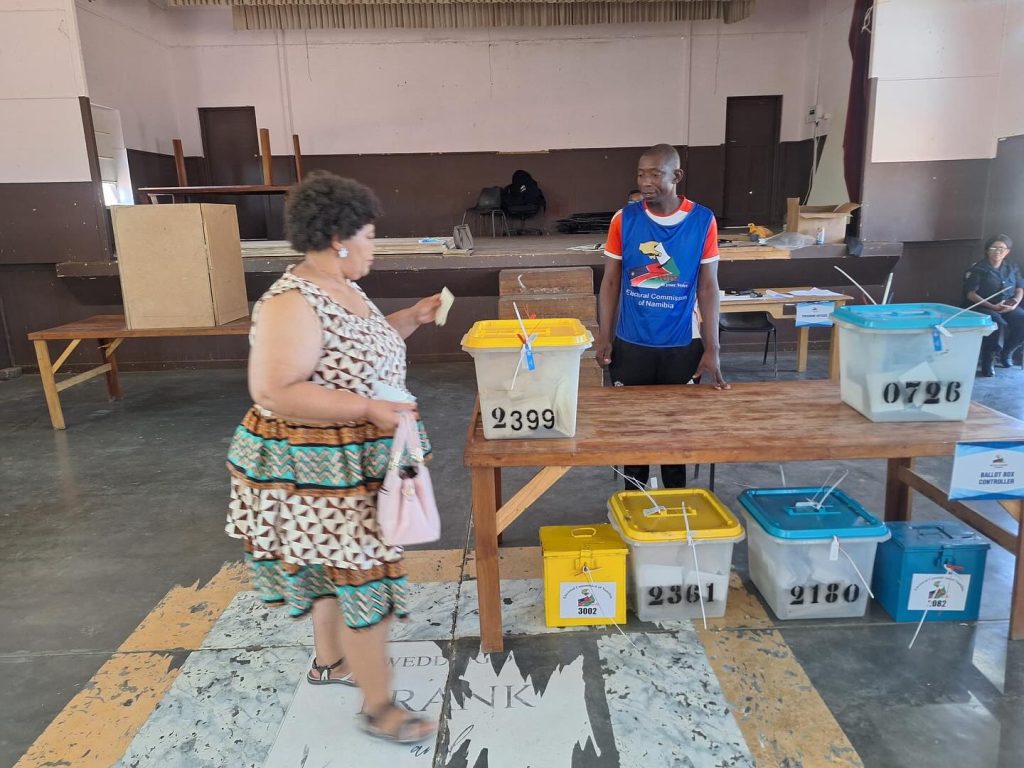
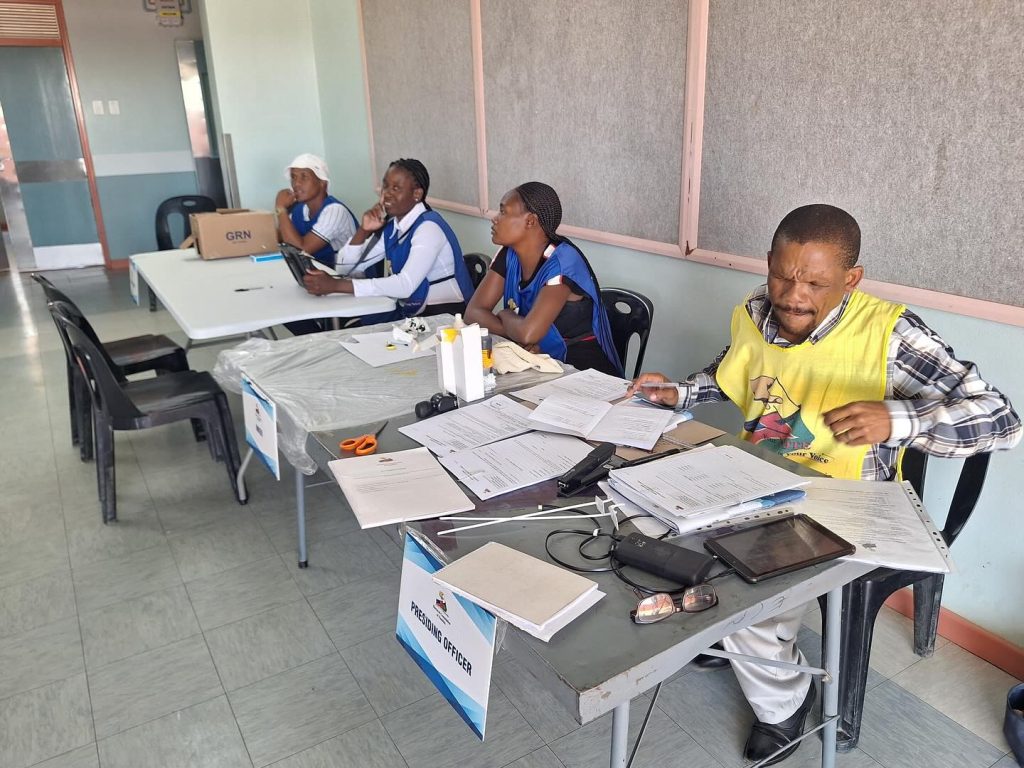
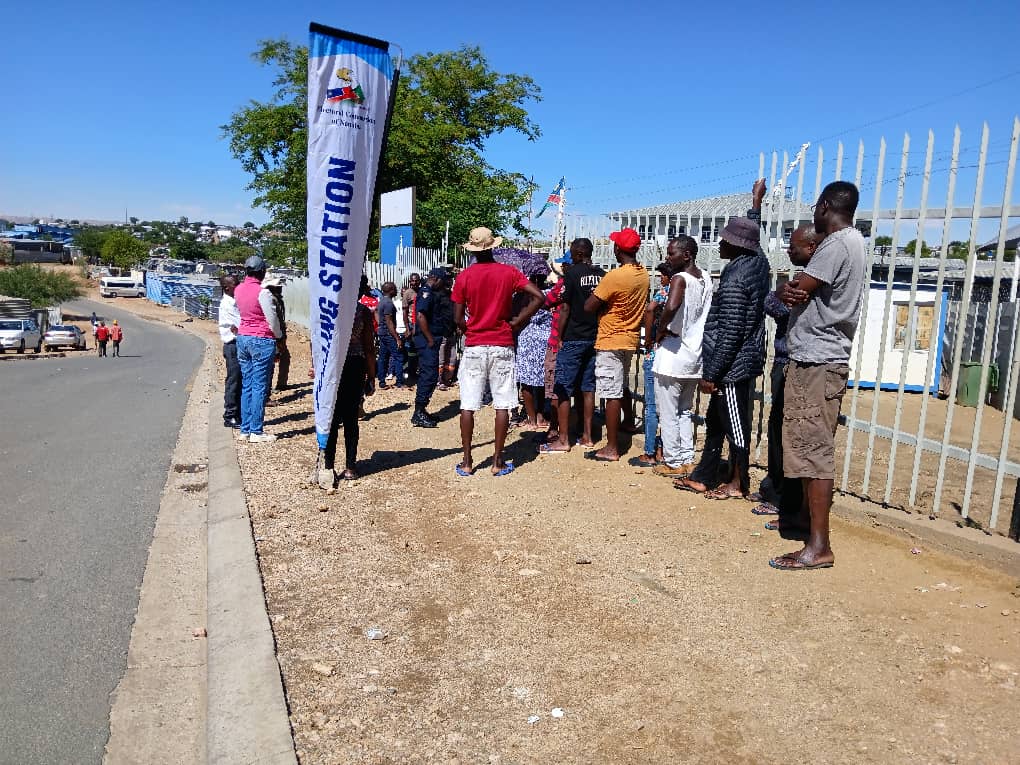
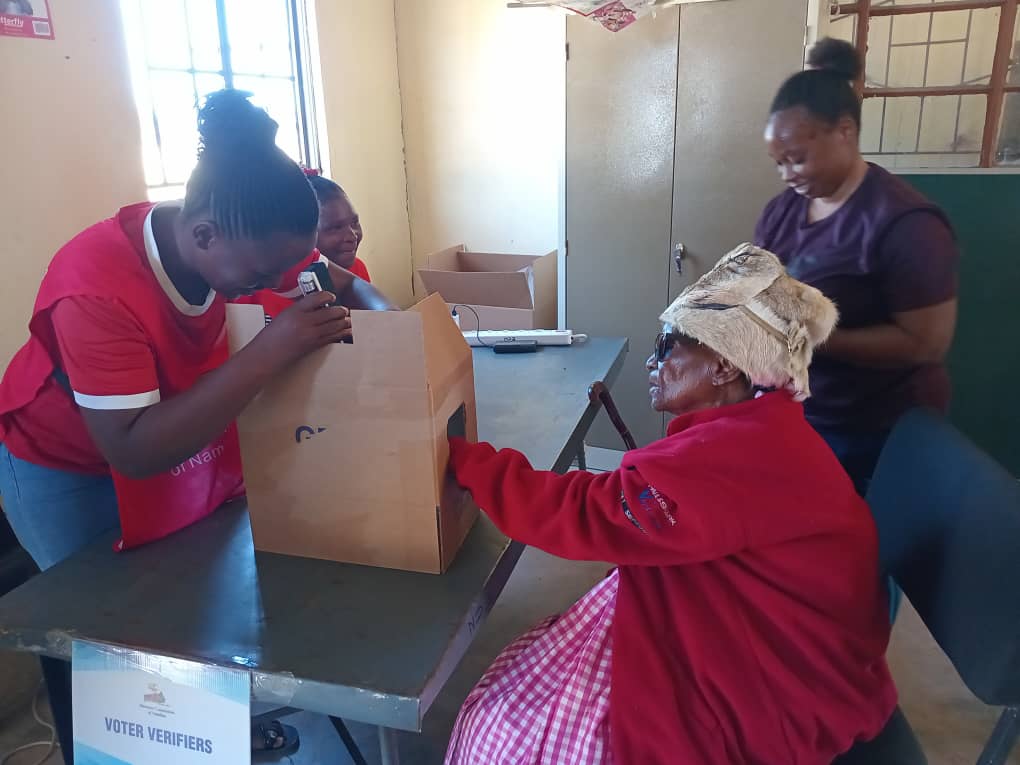
The Oshana region is experiencing a concerning trend of low youth voter turnout at polling stations, with many young people failing to exercise their democratic right.
According to Christine Aushona, Electoral Commission of Namibia (ECN) head of voter education in Oshana, this trend raises concerns about the quality of democratic processes and the potential for uninformed decision-making.
Maria Abrahams, ECN presiding officer at Ongwediva police holding cells, says the low turnout is attributed to various factors, including limited access to voter education, inadequate civic engagement initiatives, and socio-economic disparities between urban and rural areas.
“At the moment the turnout is very low and I think many people will only start to make their way to the polling stations later in the afternoon,” she said.
Rural youth told The Namibian they face challenges such as limited access to information, inadequate civic education, and fewer economic opportunities, which can deter them from participating in electoral processes.
Maria Tuyeni (22) said she lacks confidence in the elections because she doesn’t see any changes with the incoming leaders.
“I know it’s important to vote but what is the point of voting when it’s only the same people recycling themselves into positions over and over? We hardly see developments in our areas and there are no job opportunities. People are employing their relatives into positions, so there’s really no point in voting,” she said.
The ECN has emphasised the importance of voter education and has deployed officials to ensure a smooth voting process.
However, Simioni Angula said that more needs to be done to address the root causes of low youth voter turnout and encourage young people to participate in shaping their future.
“Young people are not motivated to vote. They are just in their houses sleeping because they feel there is nothing for them at the polling stations. Some feel it is the elders that must vote on their behalf. I think voter education needs to be strengthened and maybe make it more encouraging to the youth. It’s disappointing because we only have the elders who are the majority voting here,” he said.
He called on the ECN to empower young Namibians with knowledge about their rights and the electoral process, in order to foster a more engaged and representative democracy.
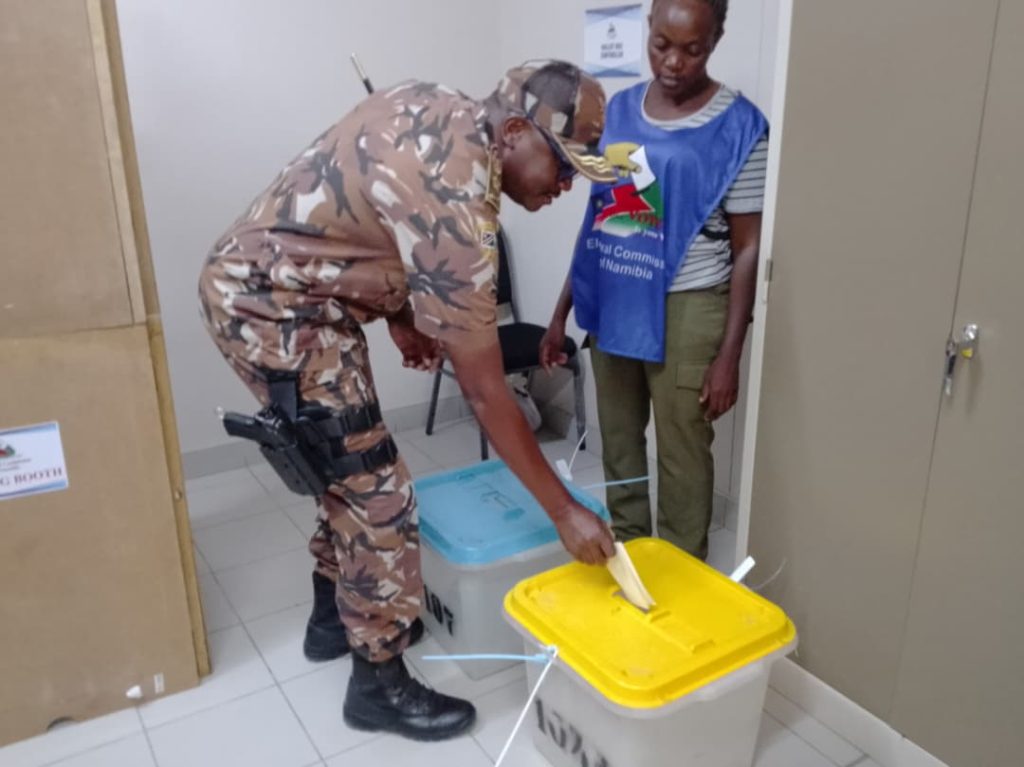
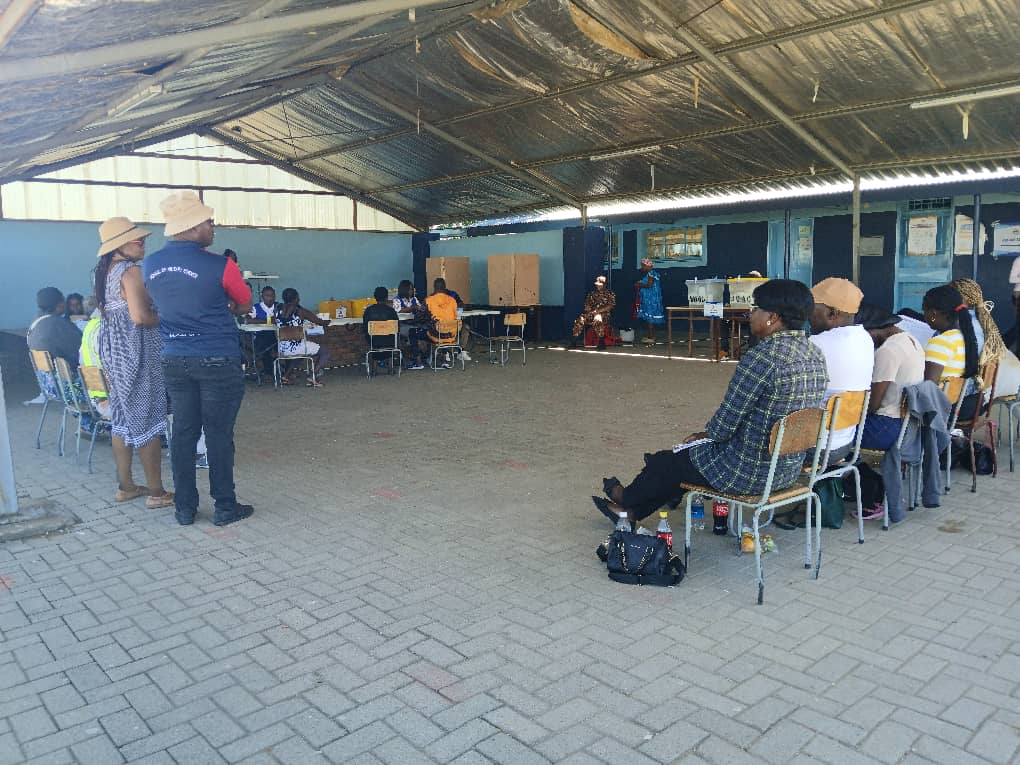
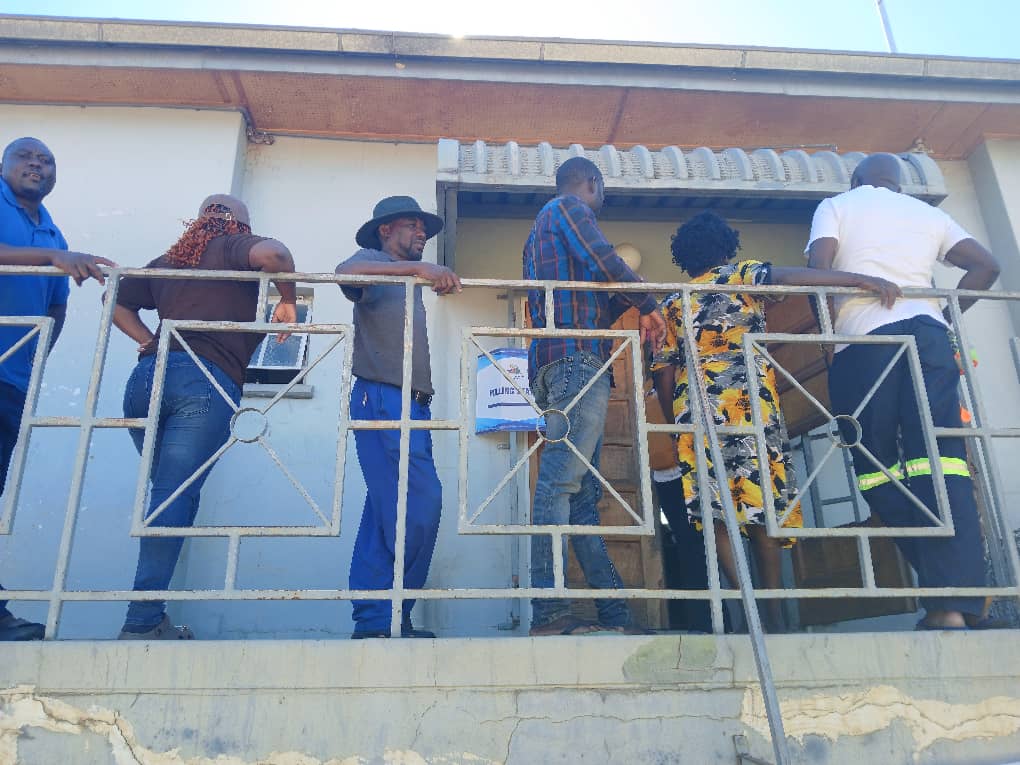
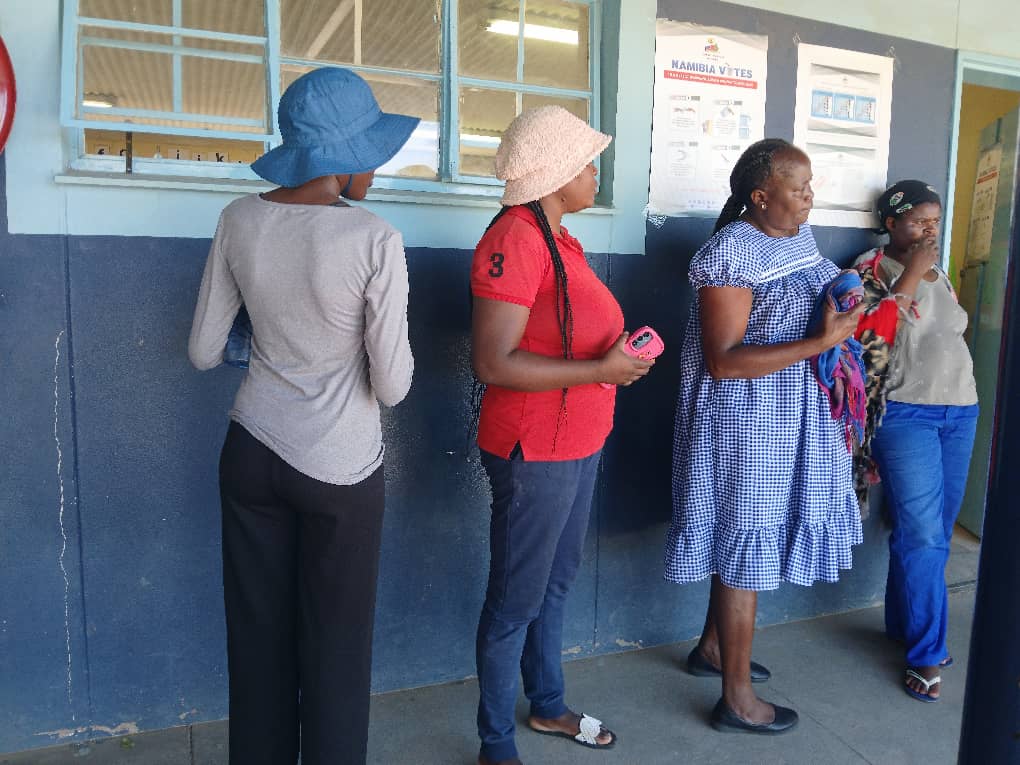
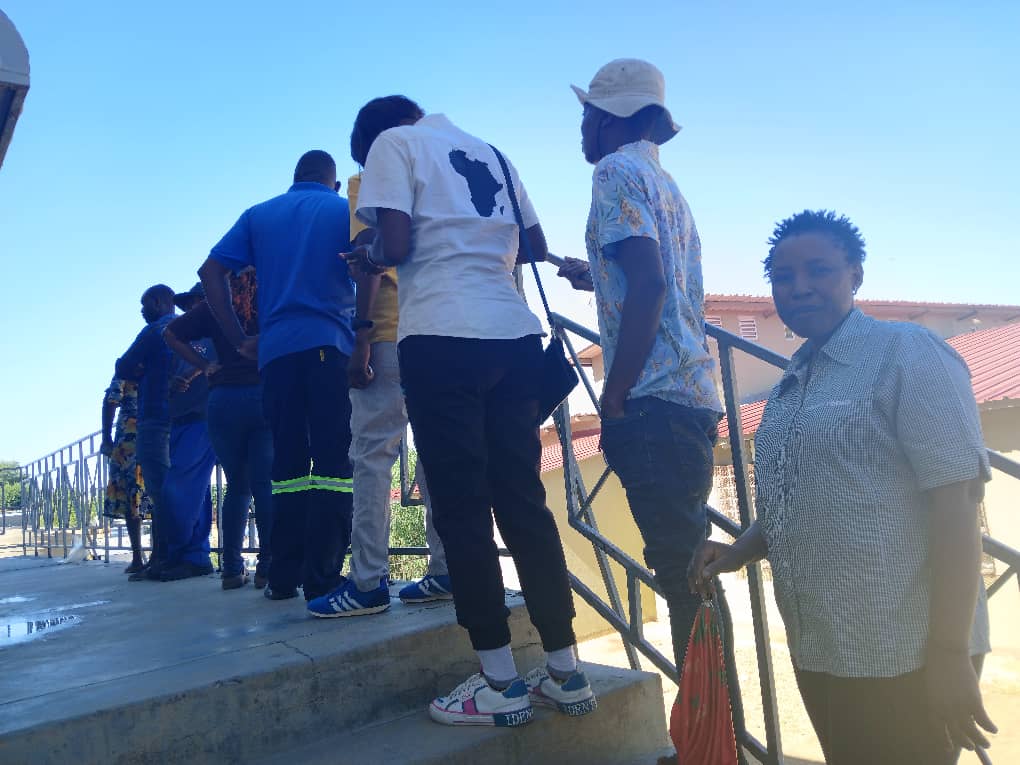
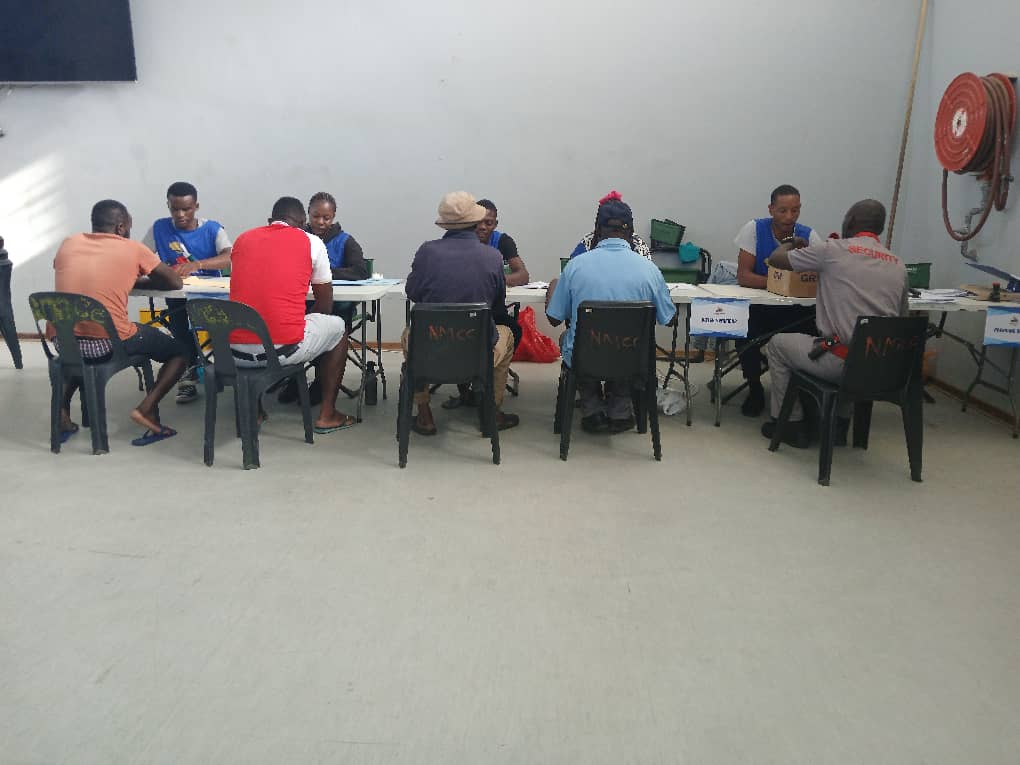
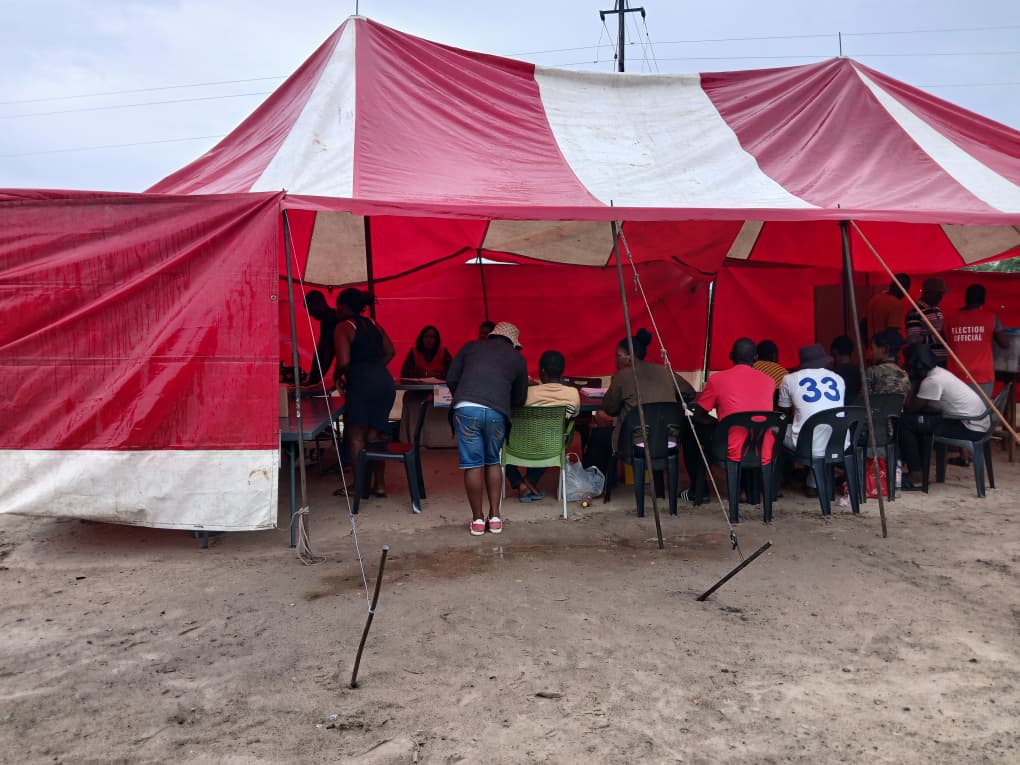
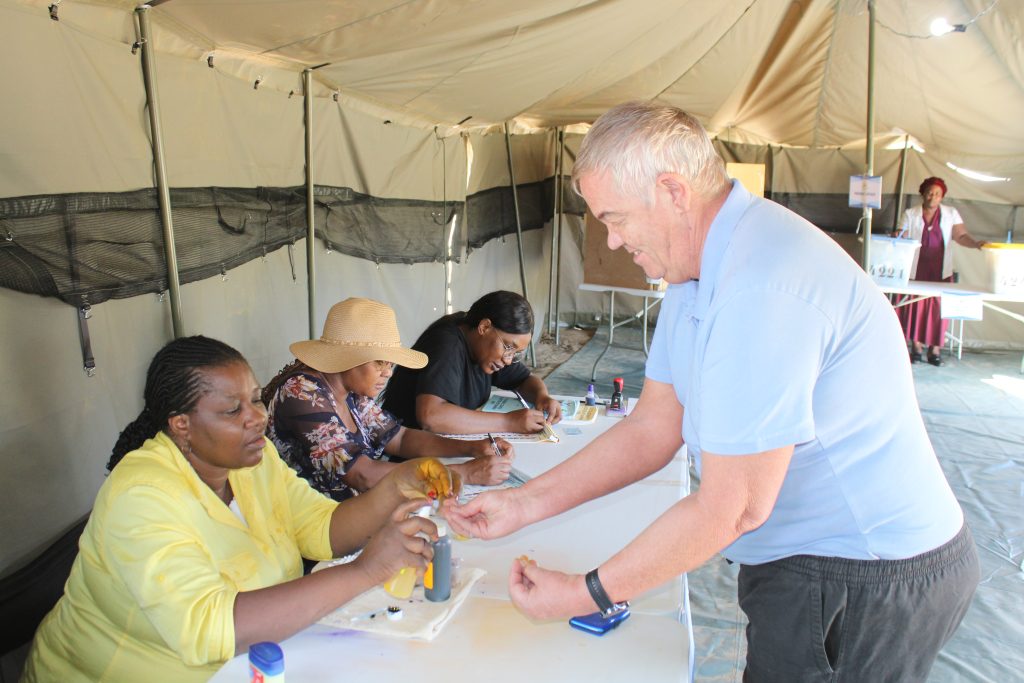
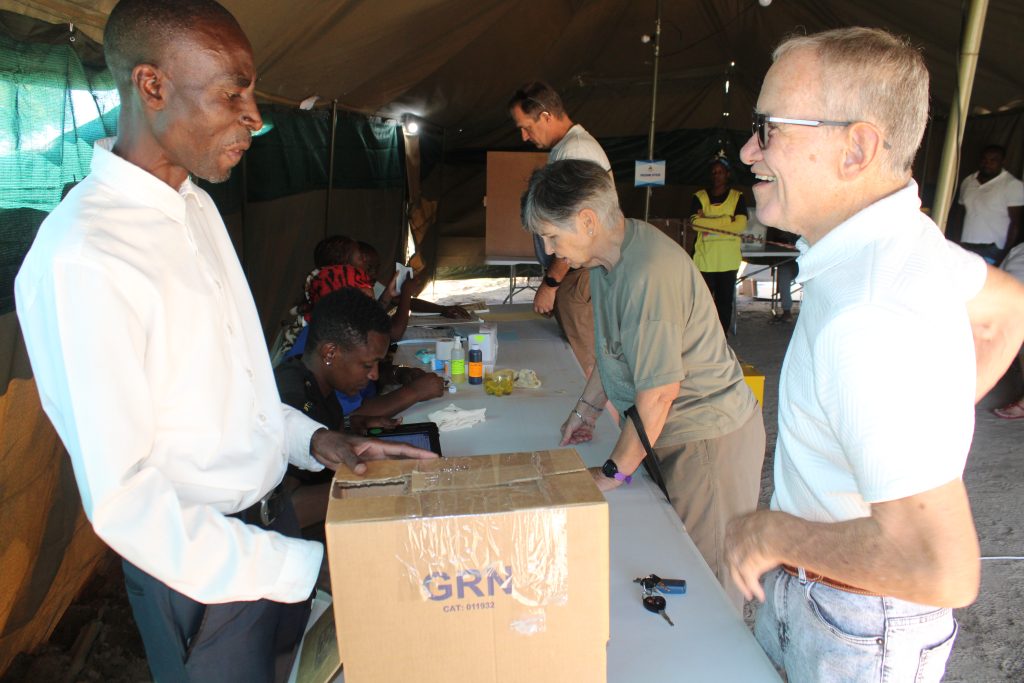
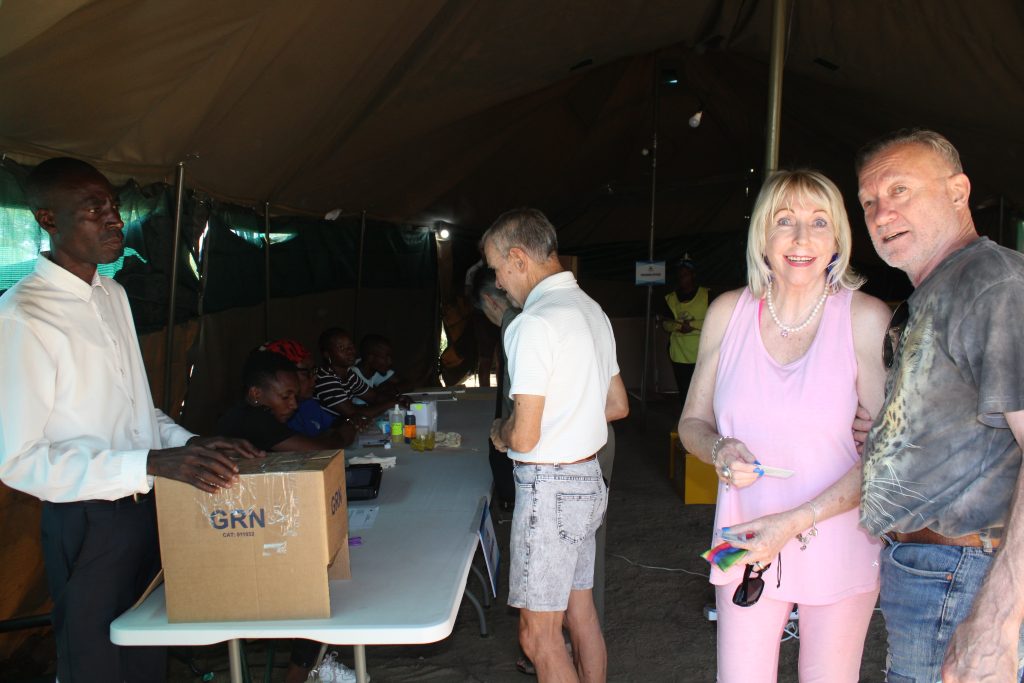
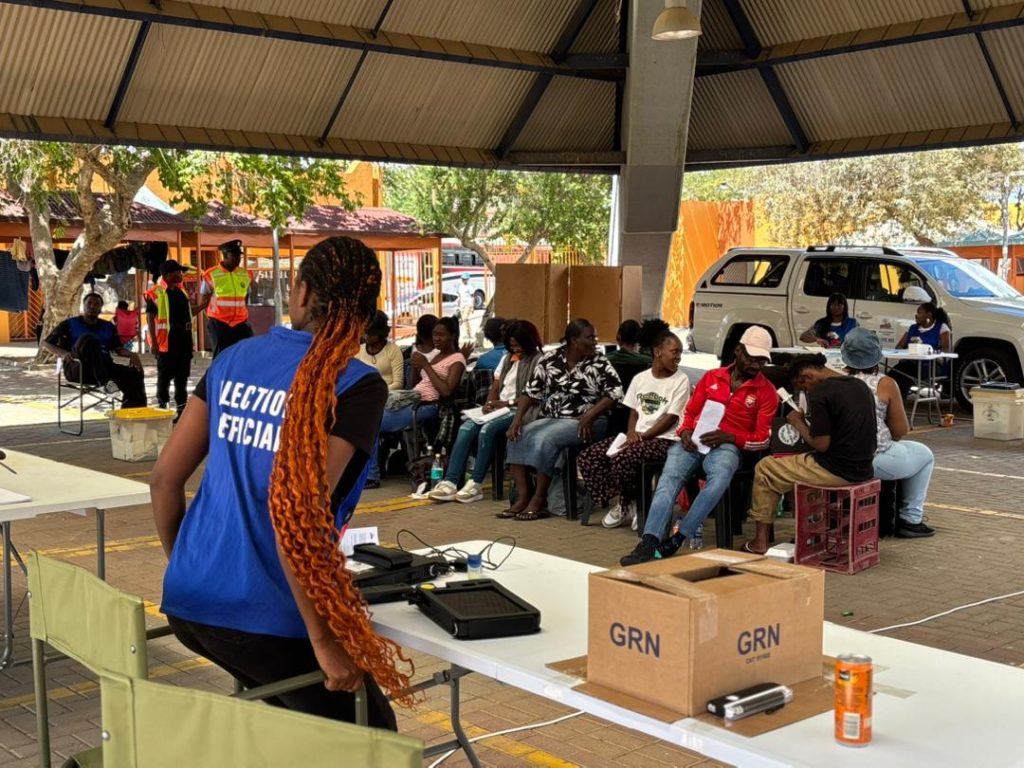
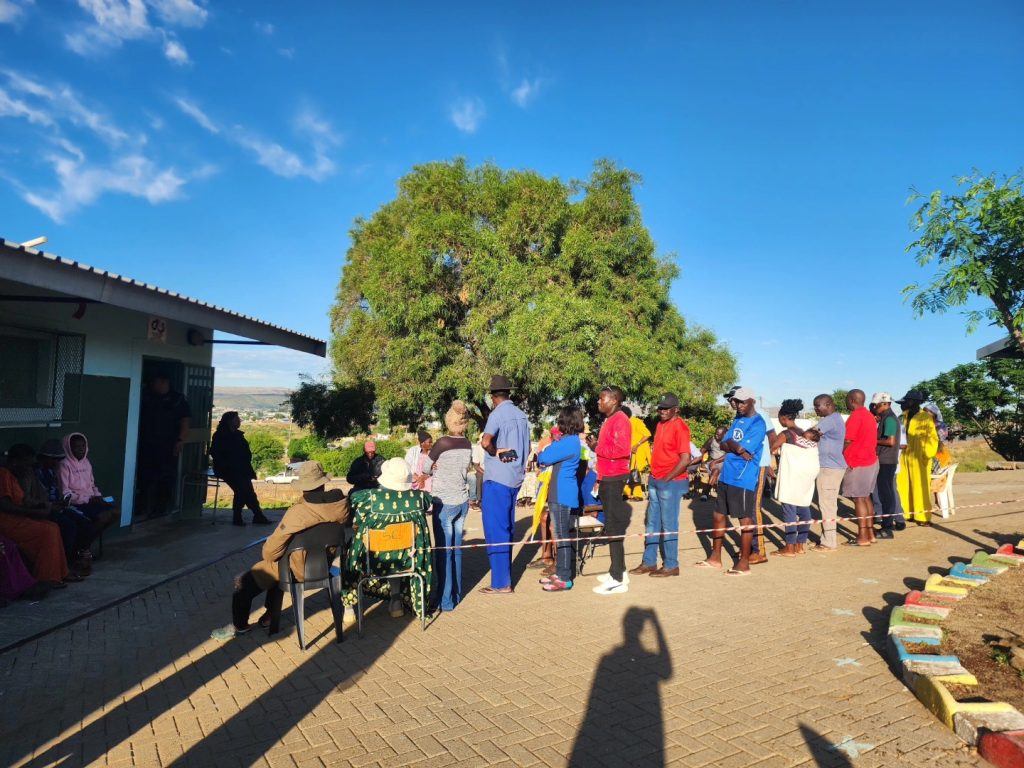
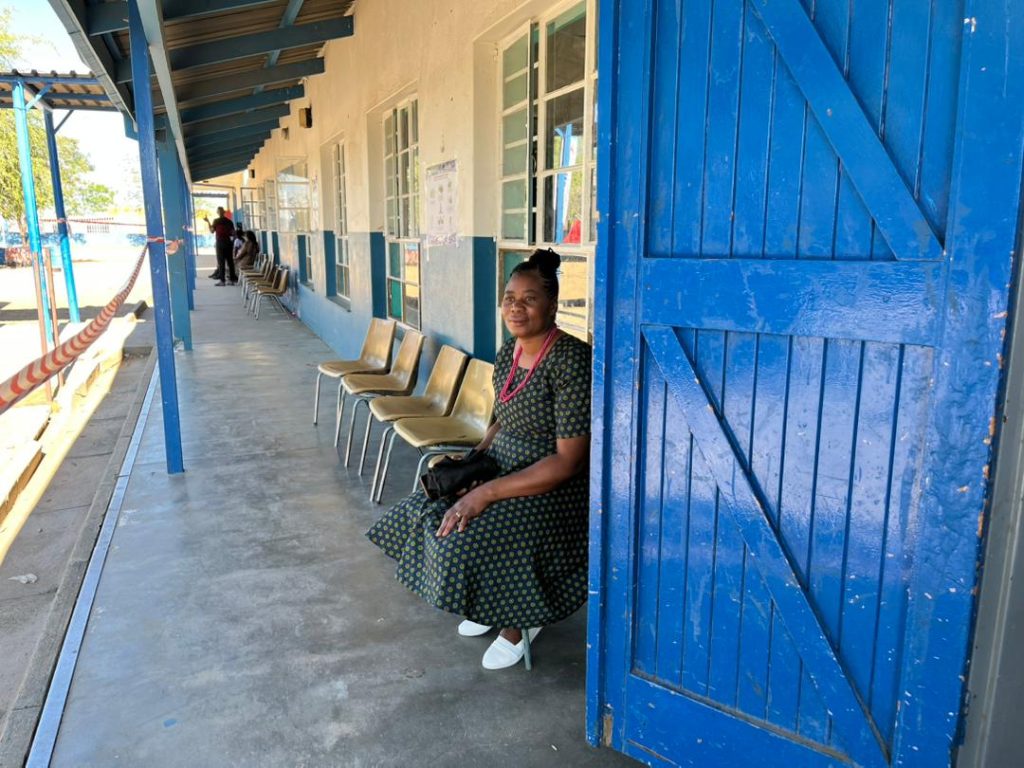
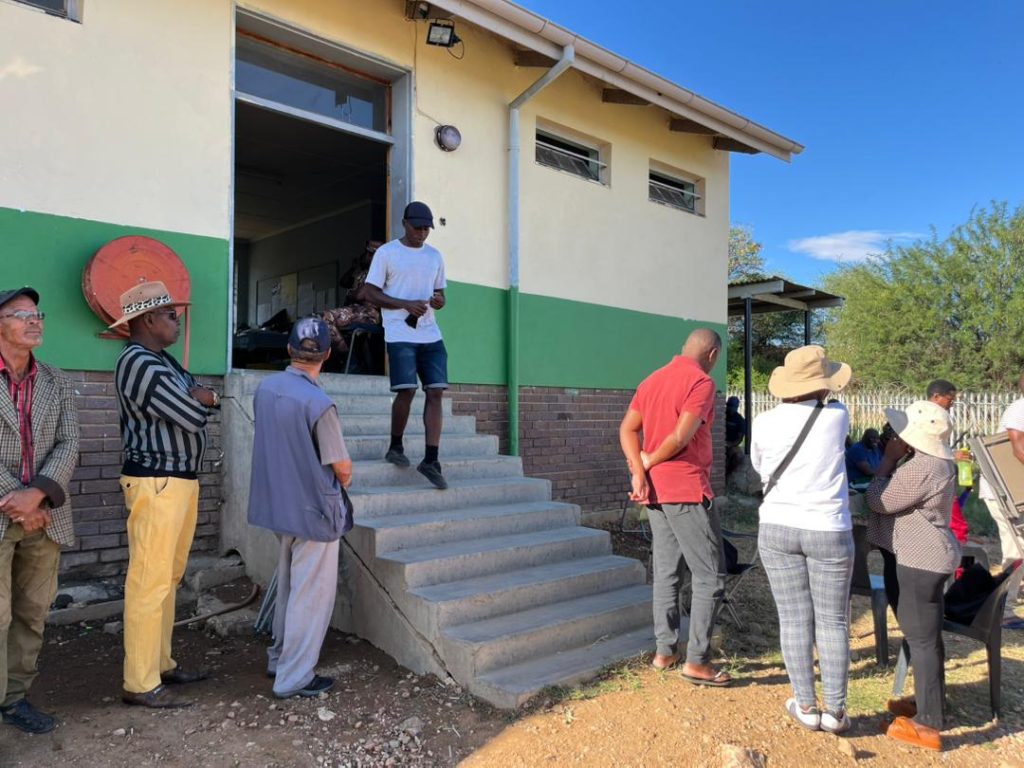
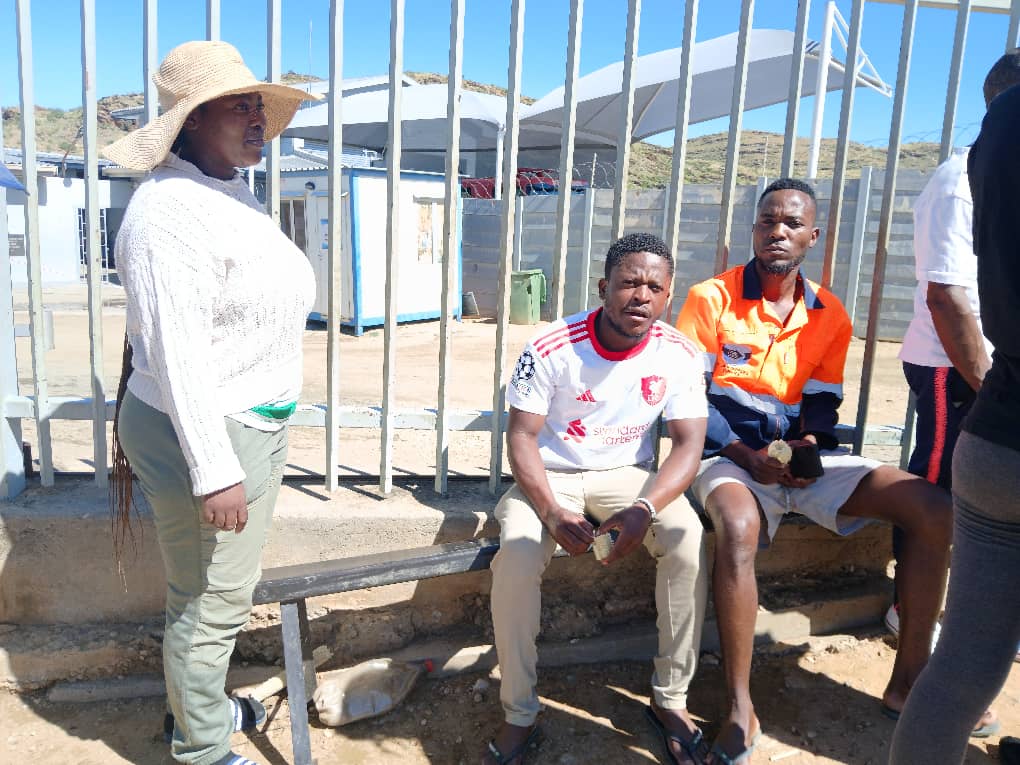
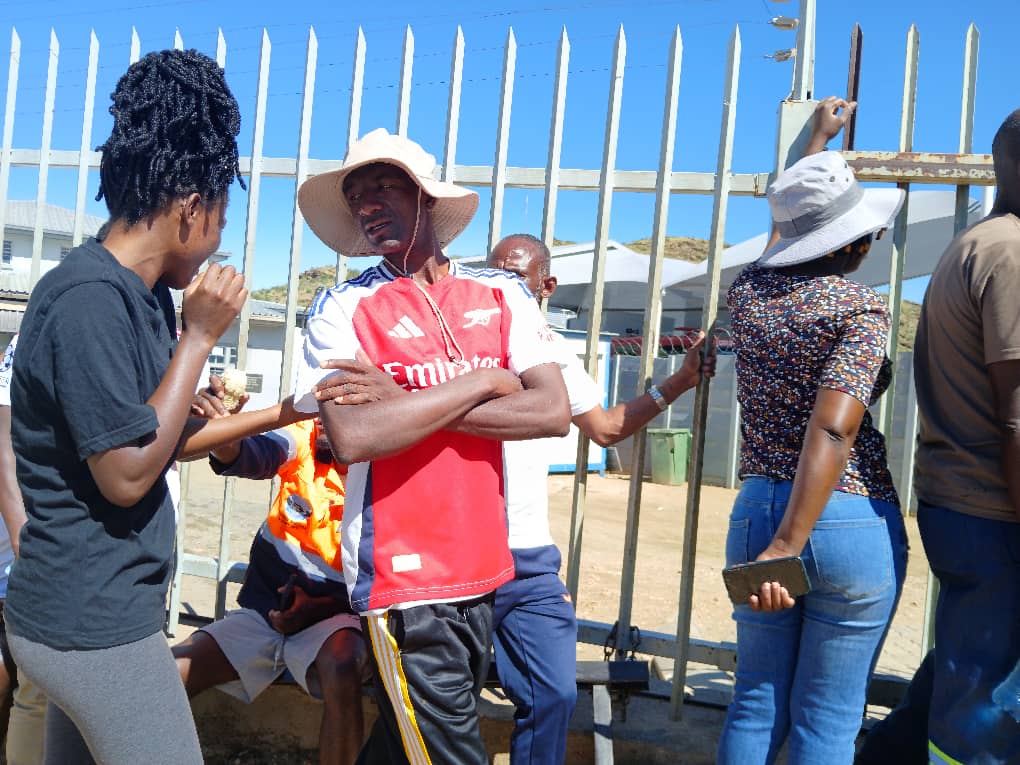
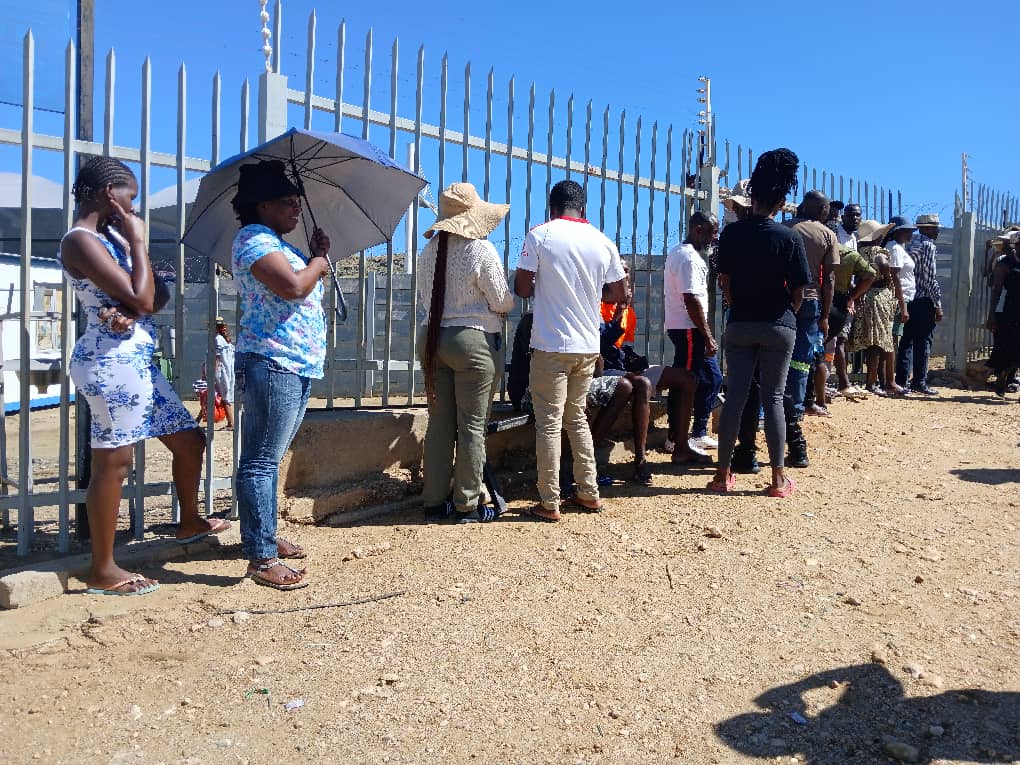
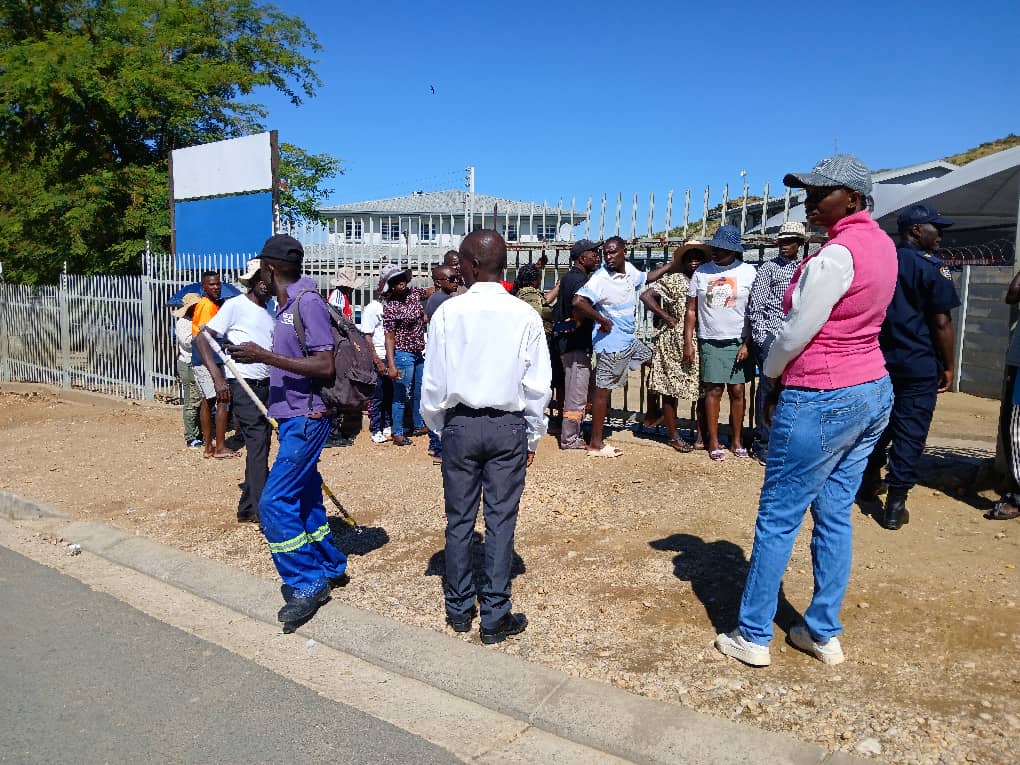
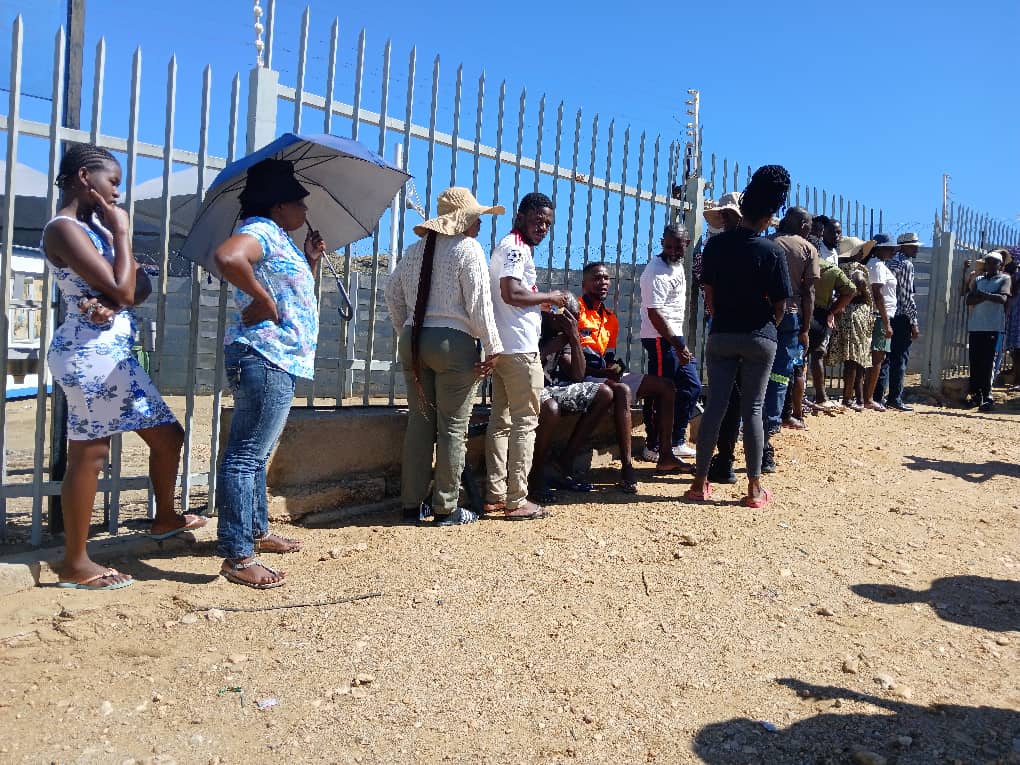
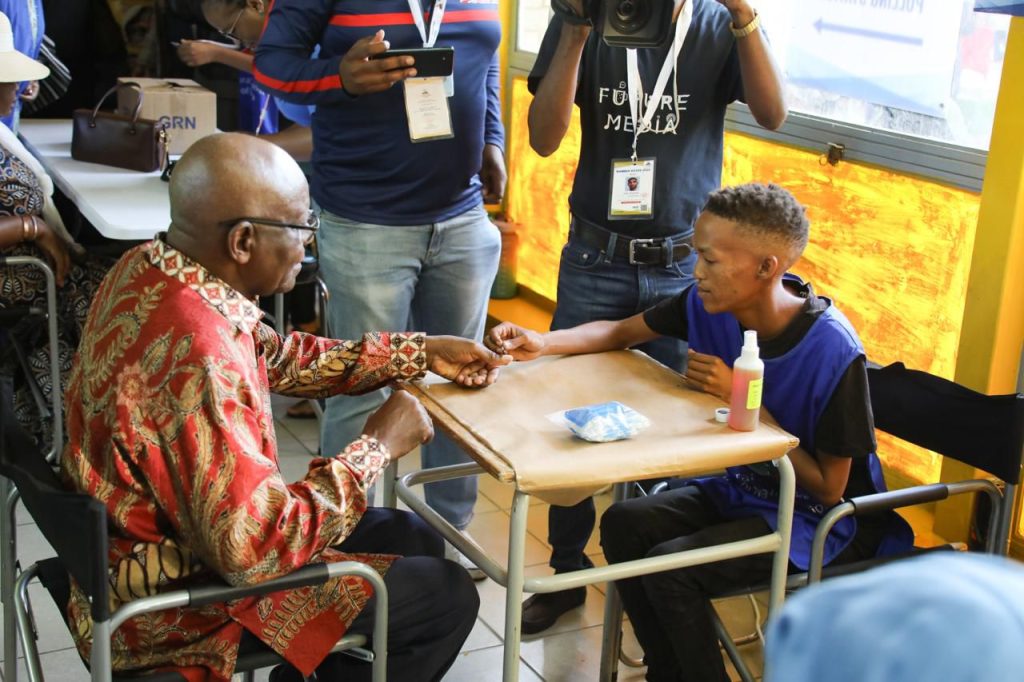
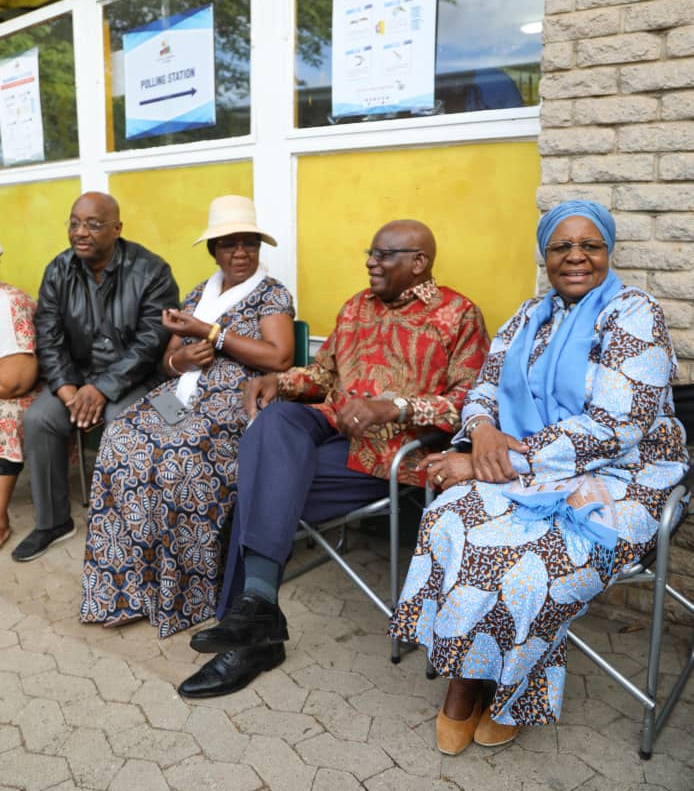
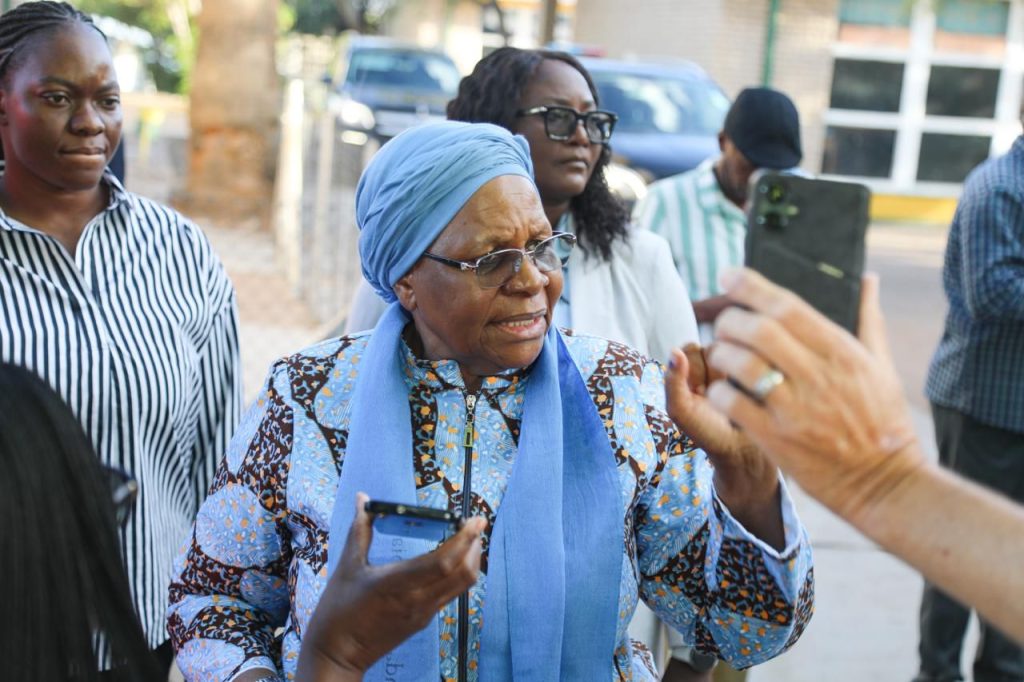
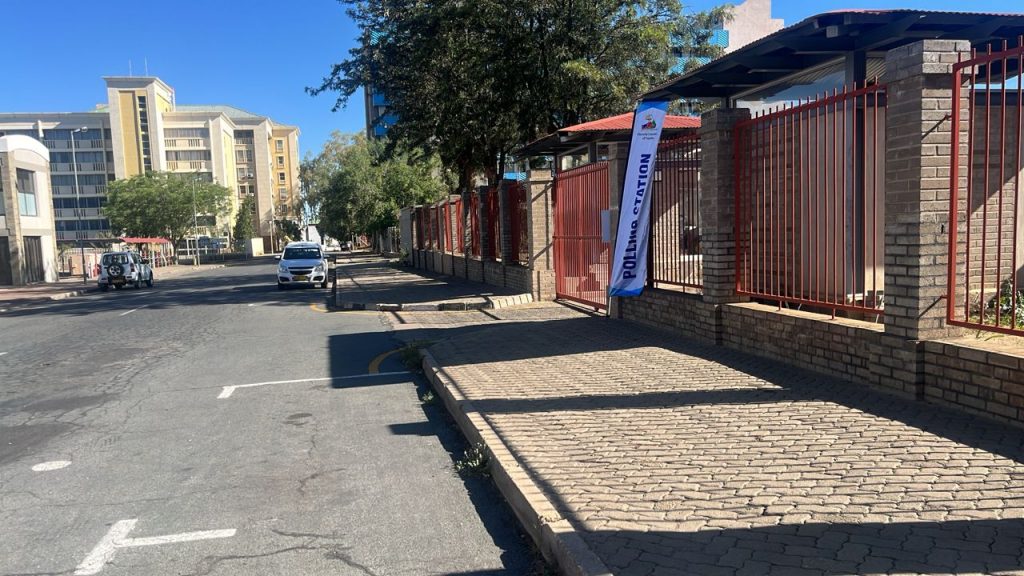
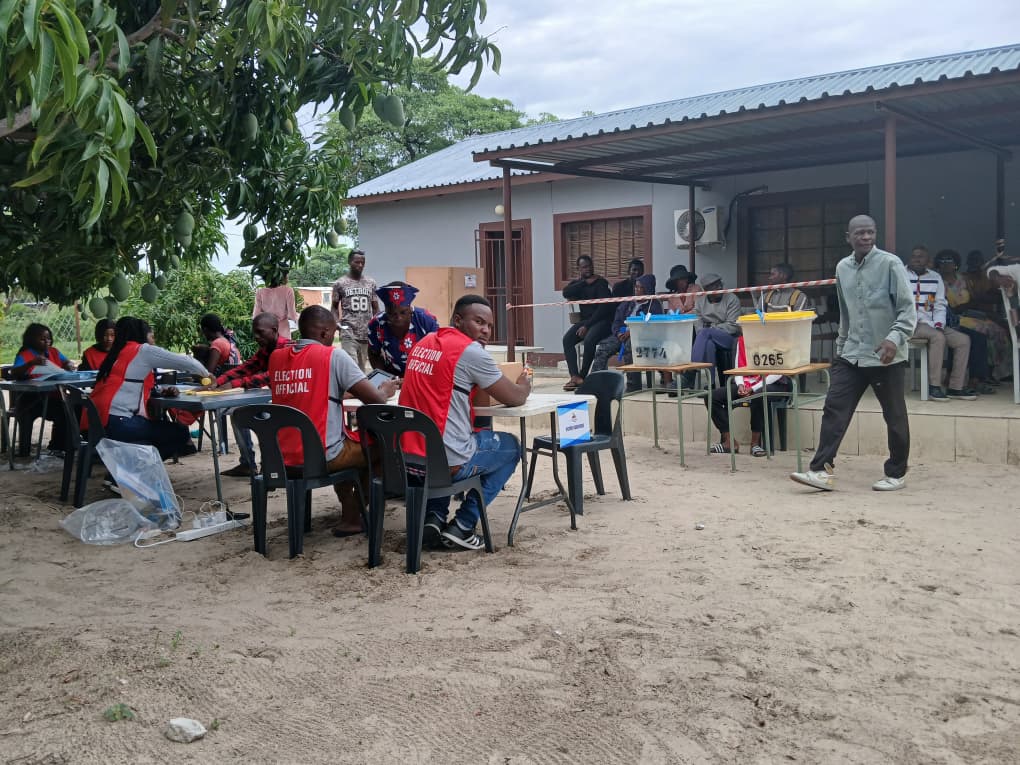
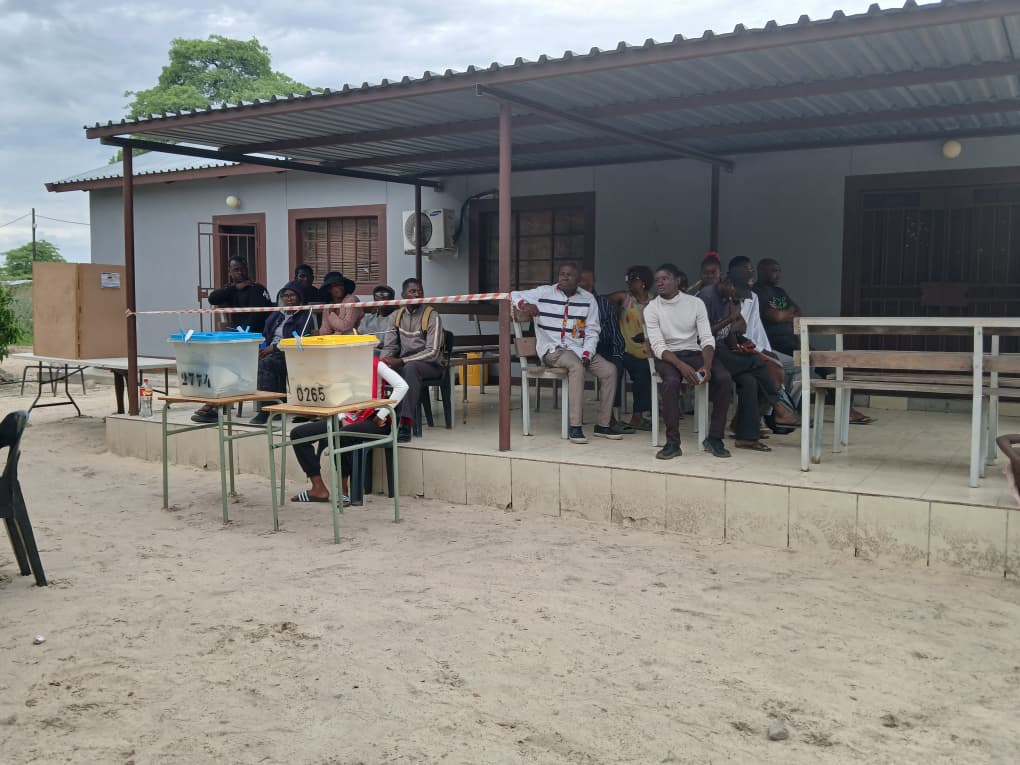
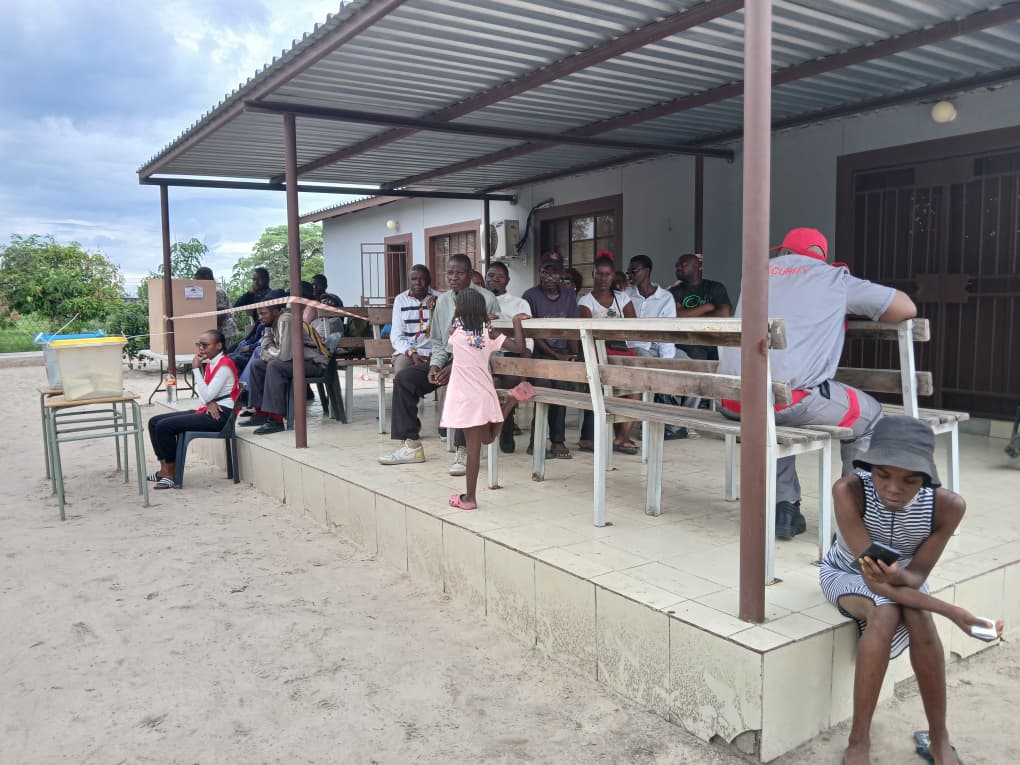
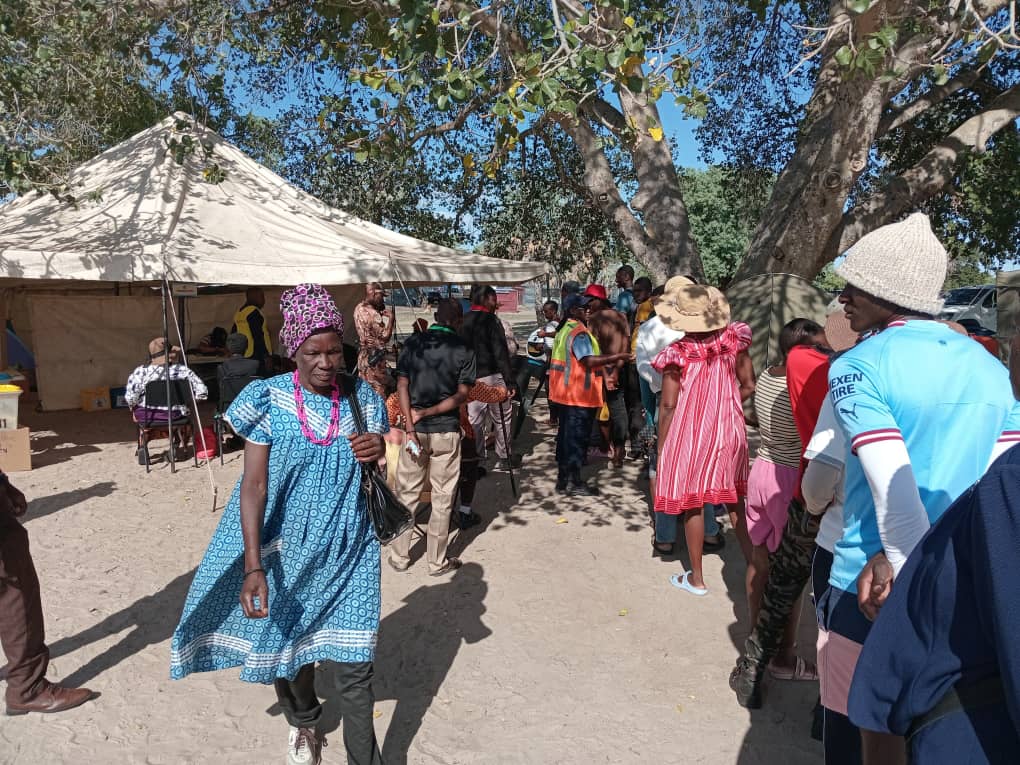
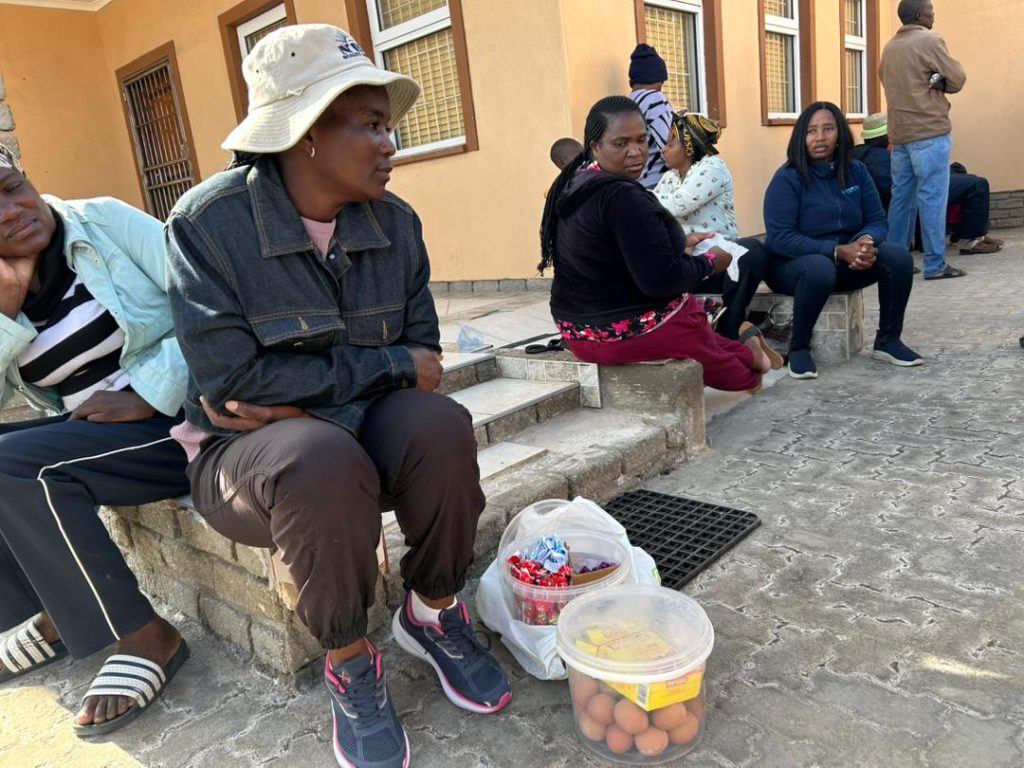
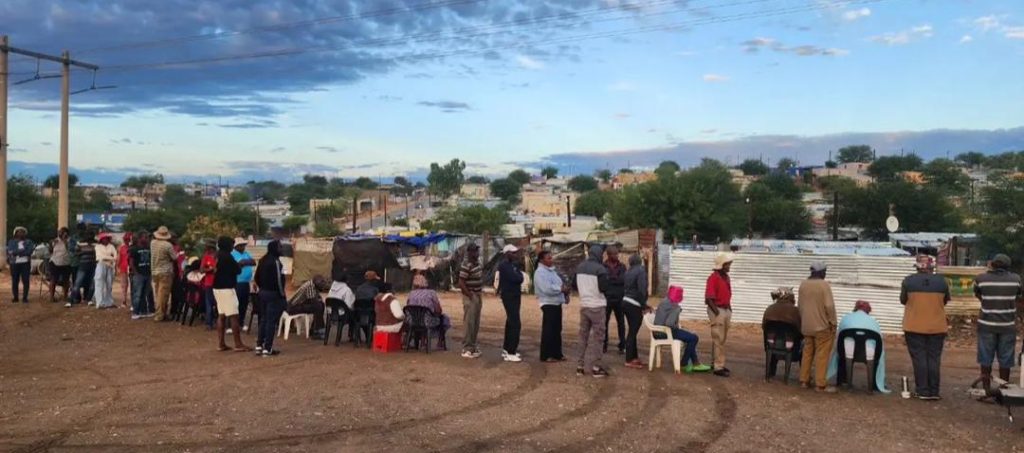
LOW TURNOUT, FAST PROCESS … Voters wait for their turn to cast their ballots at the Tobias Hainyeko Primary School in Windhoek’s Okuryangava area on Wednesday. Photos: Charlotte Nambadja
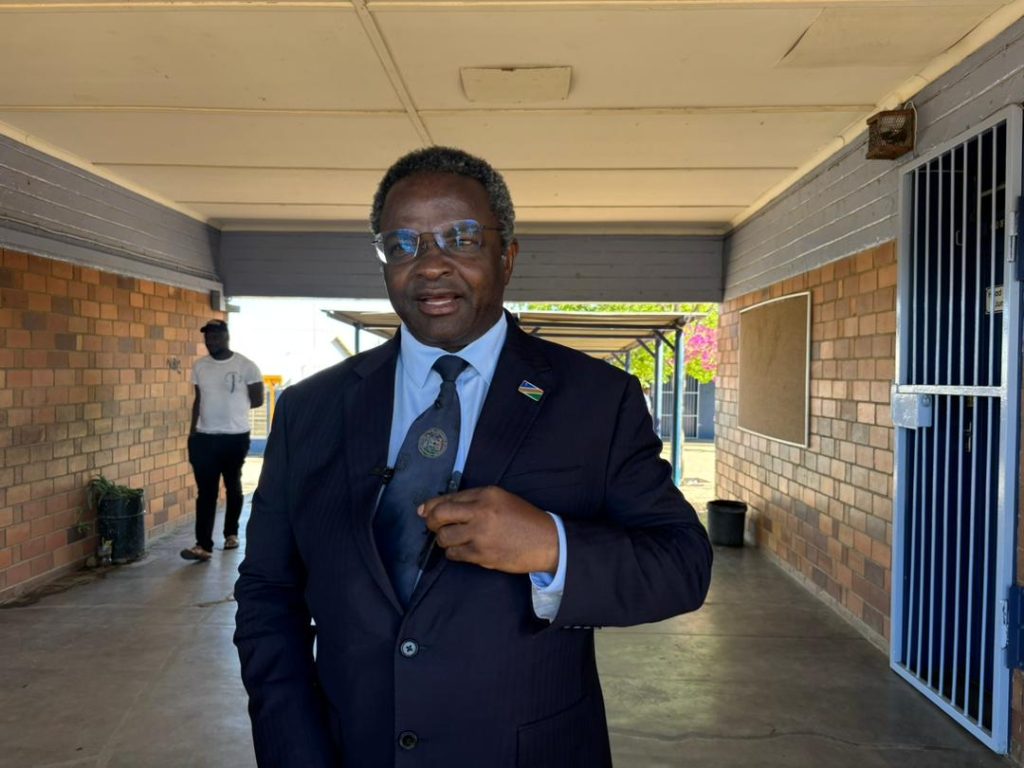
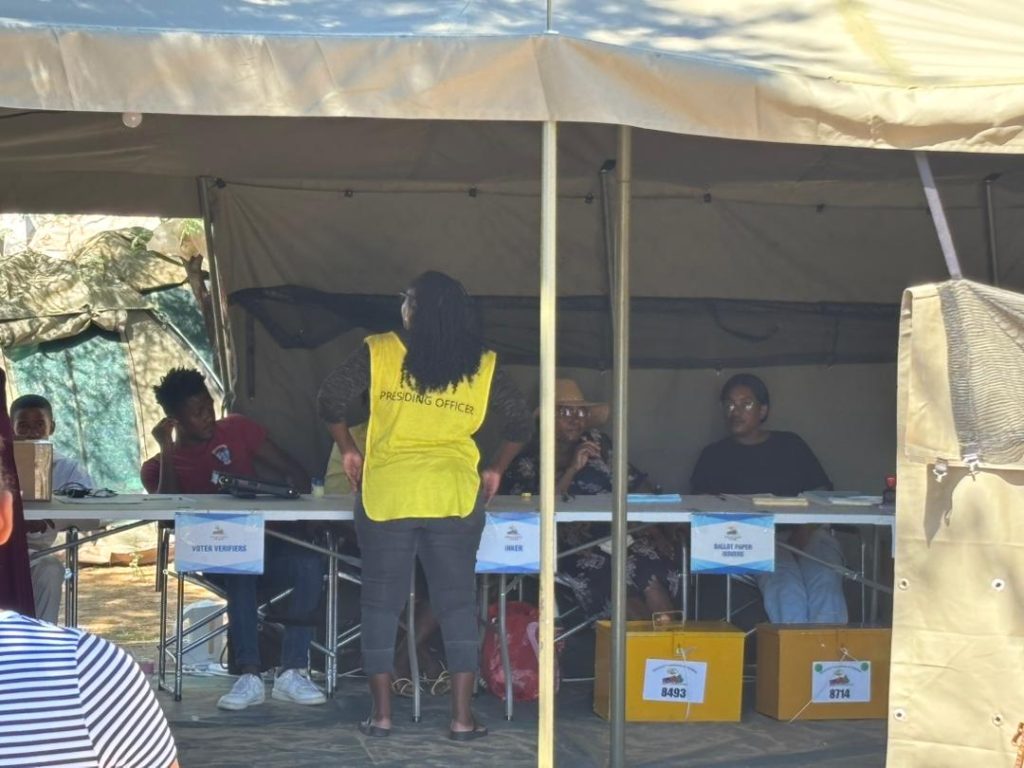
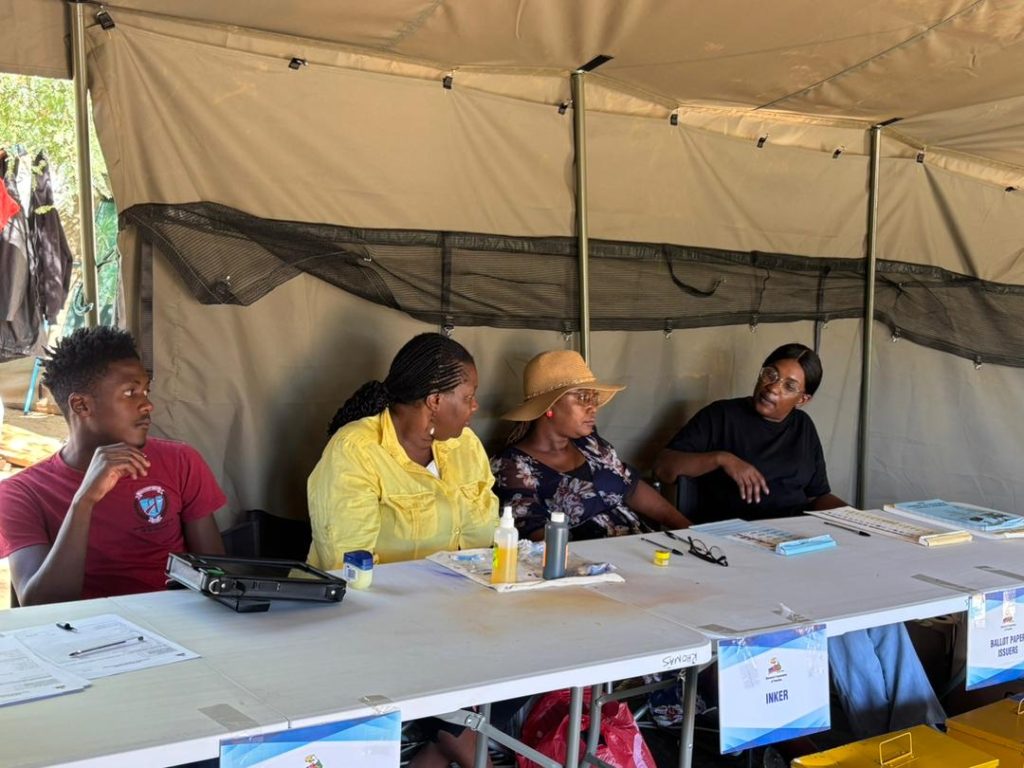
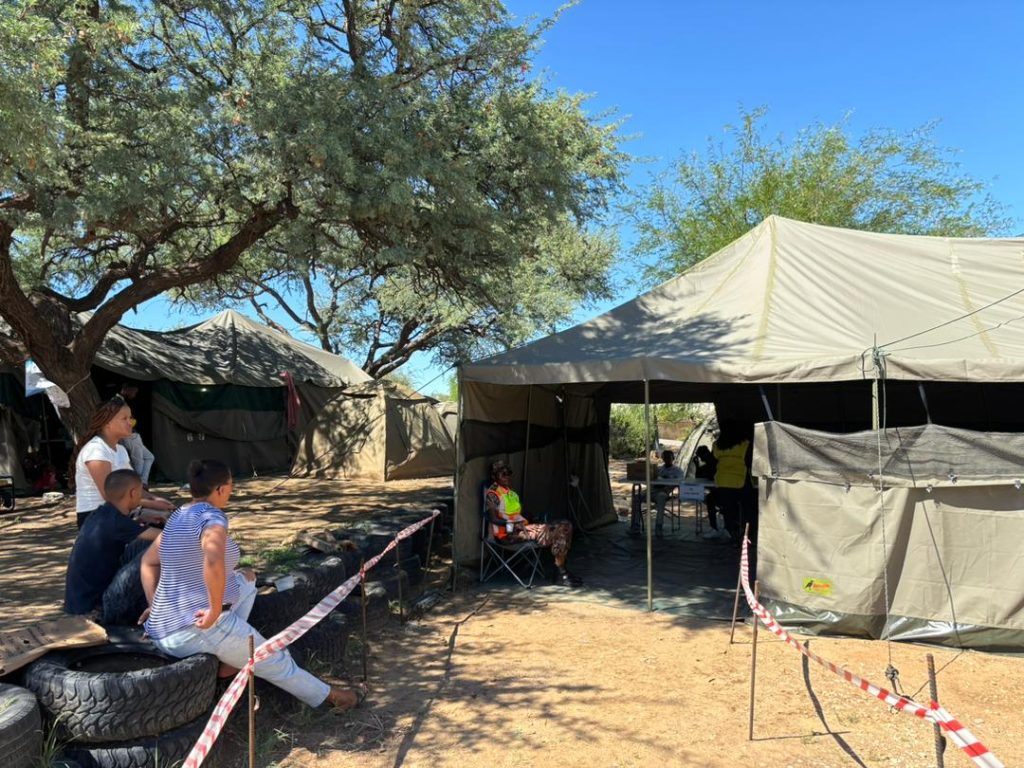
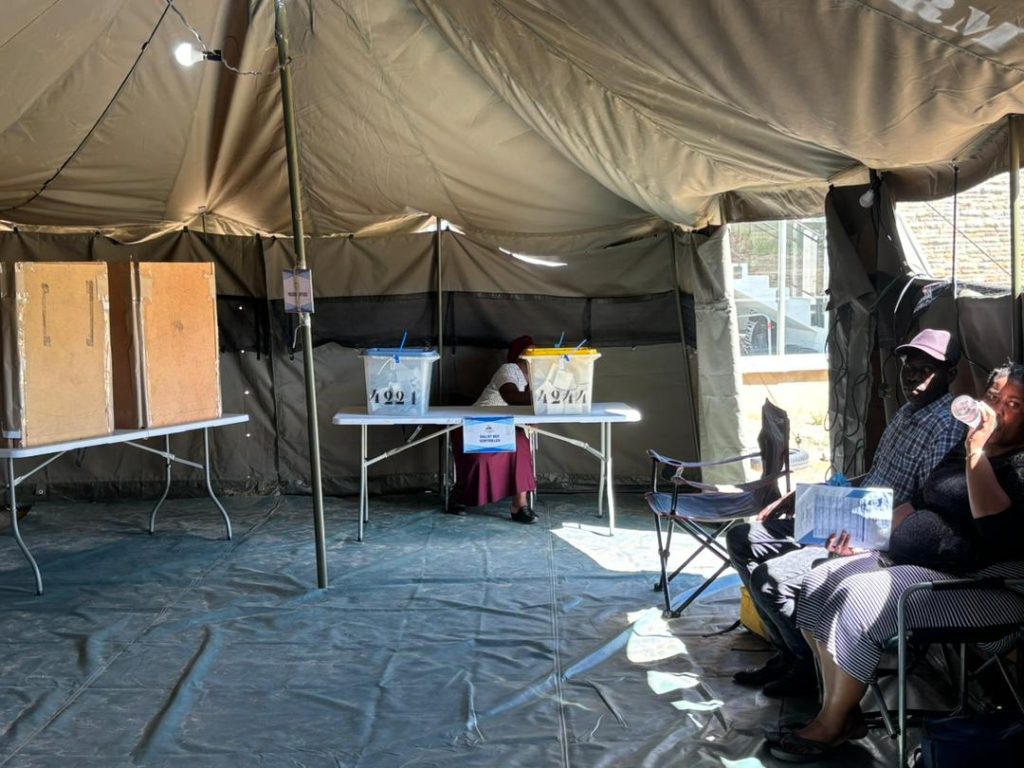
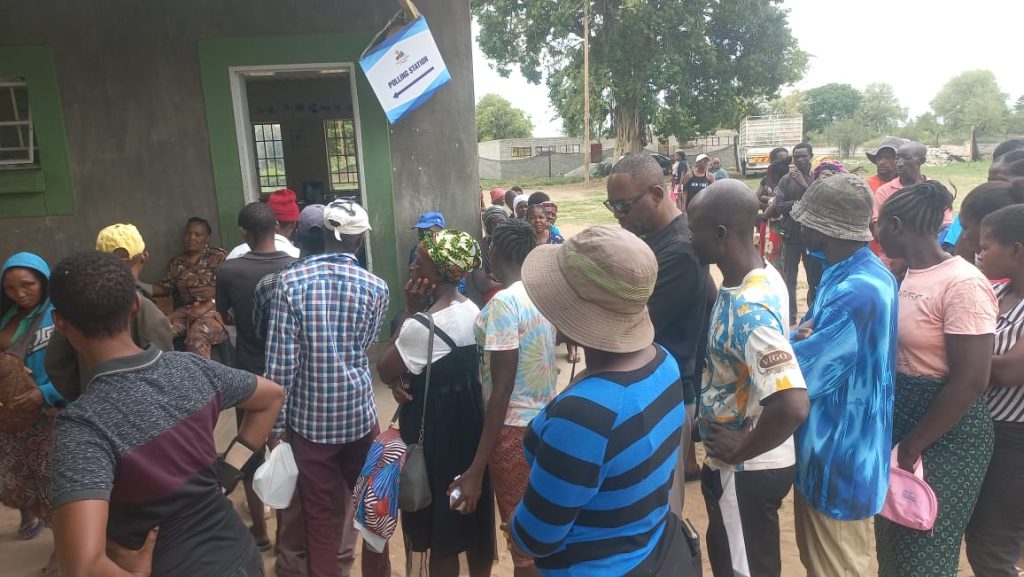
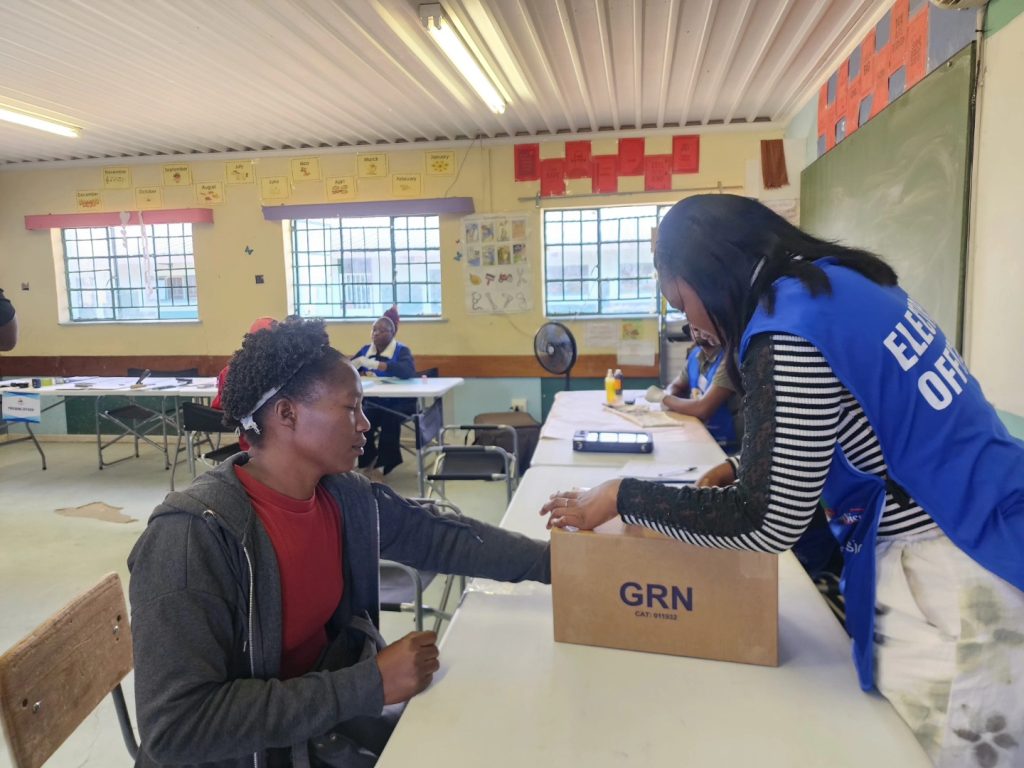
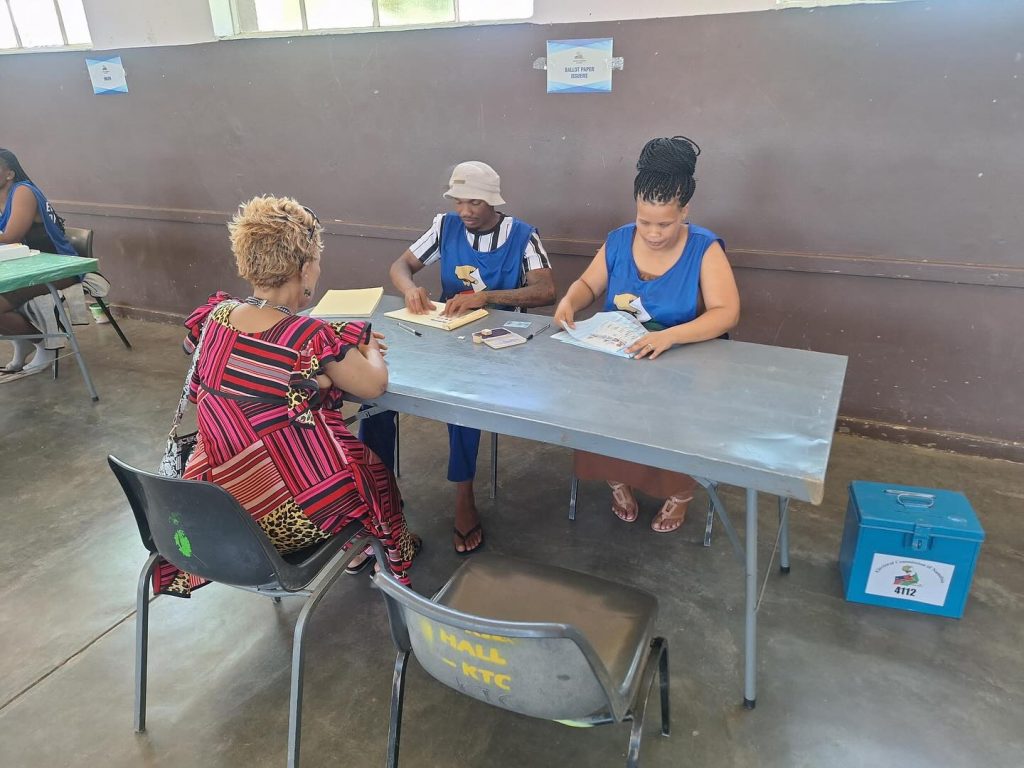
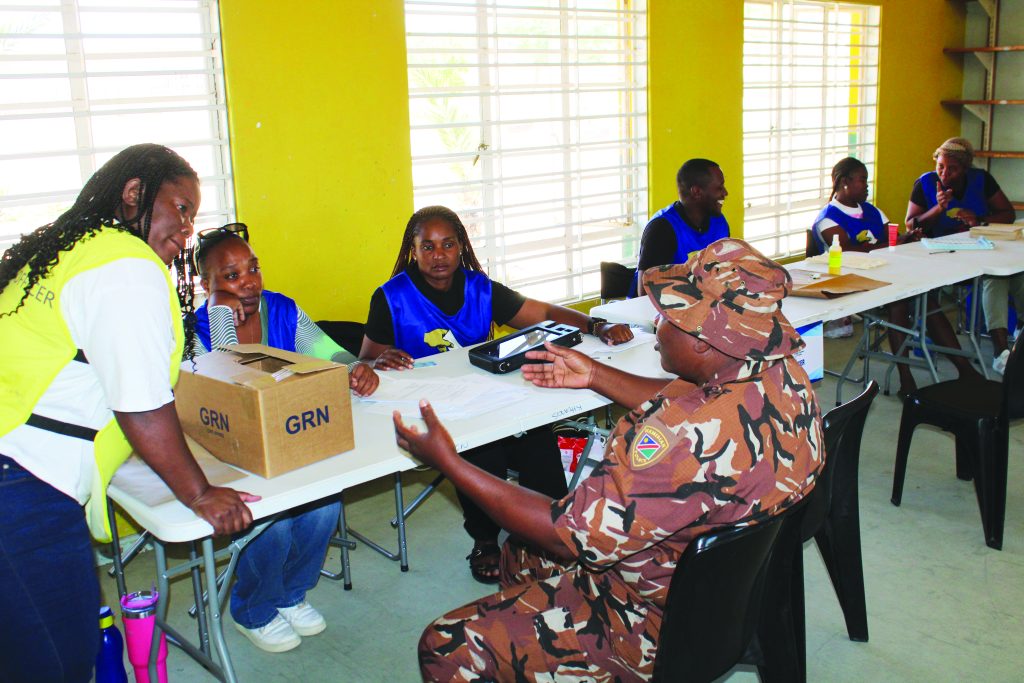
ELISENHEIM VOTES … Presiding officer at the Elisenheim polling station on the outskirts of Windhoek, Rikambura Katjiuanjo, says the first person to cast their vote arrived at 03h00. She said at around 05h00 about 15 people were already in the queue and ready to vote. Katjiuanjo says almost 95 people have voted so far, with more expected later in the day. Update: Dolly Menas
Nandi-Ndaitwah urges nation to turn up in numbers to vote
• Martin Endjala
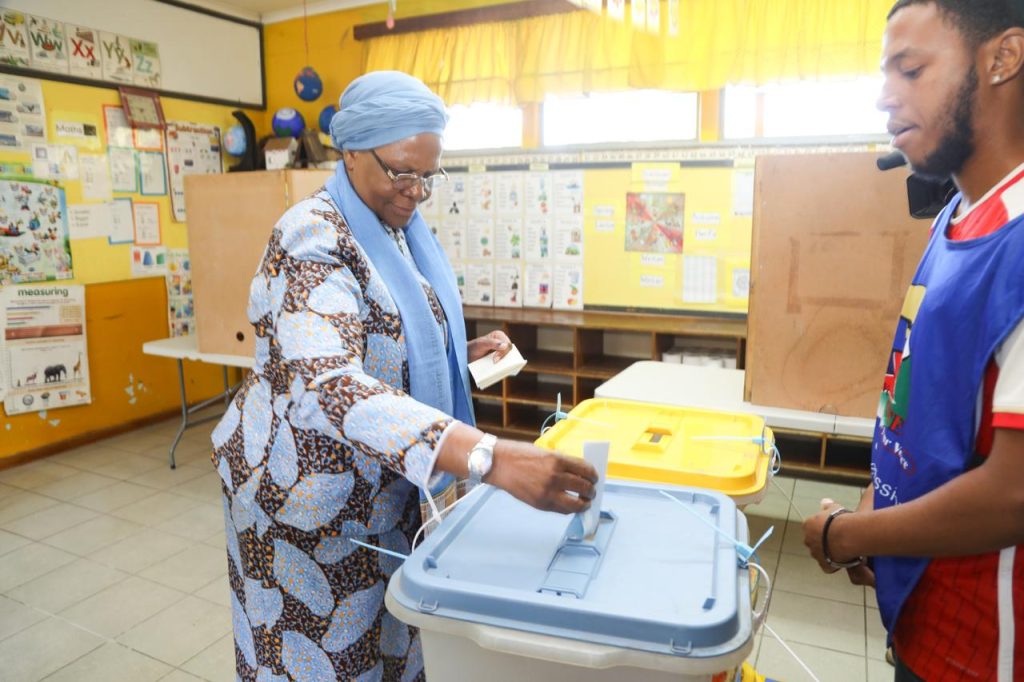
President Netumbo Nandi-Ndaitwah has urged Namibians to make use of Wednesday’s public holiday to vote in the 2025 regional council and local authority elections.
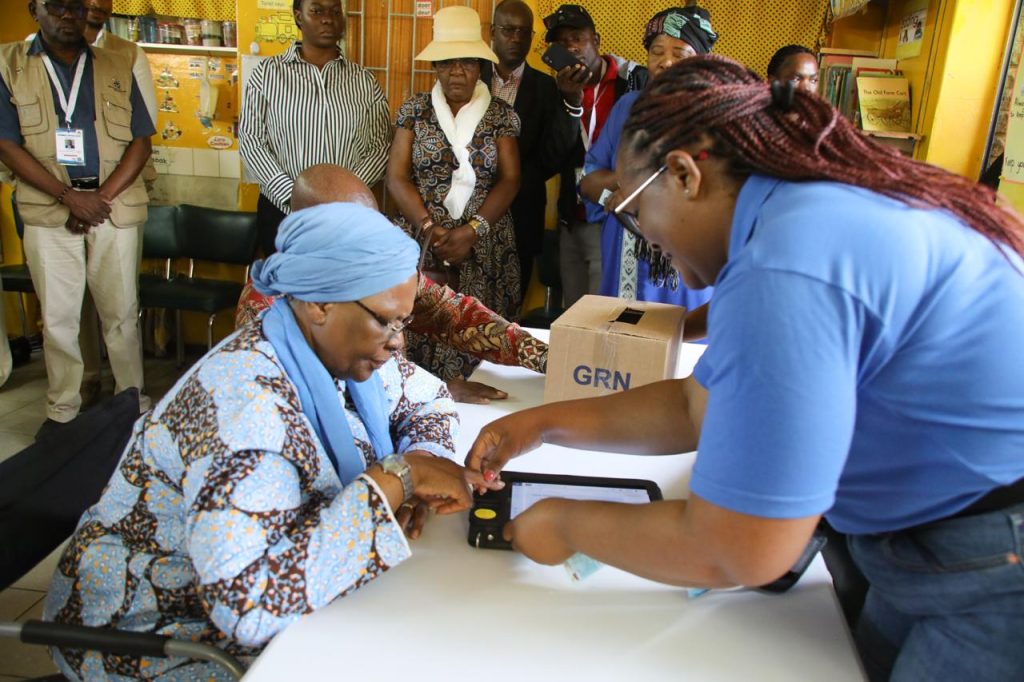
The president cast her vote at Emma Hoogenhout Primary School in the Windhoek West constituency.
She voted in the company of her husband, first gentleman Denga Ndaitwah.
In a statement released on Wednesday, the president praises the calm and peaceful atmosphere at the polling station.
She encourages all registered voters to vote for leaders who speak to their hopes, and to be proud participants in strengthening Namibia’s democracy.
“The 26th of November was declared a public holiday precisely to give every voter the chance to take part,” she has reminded the public.
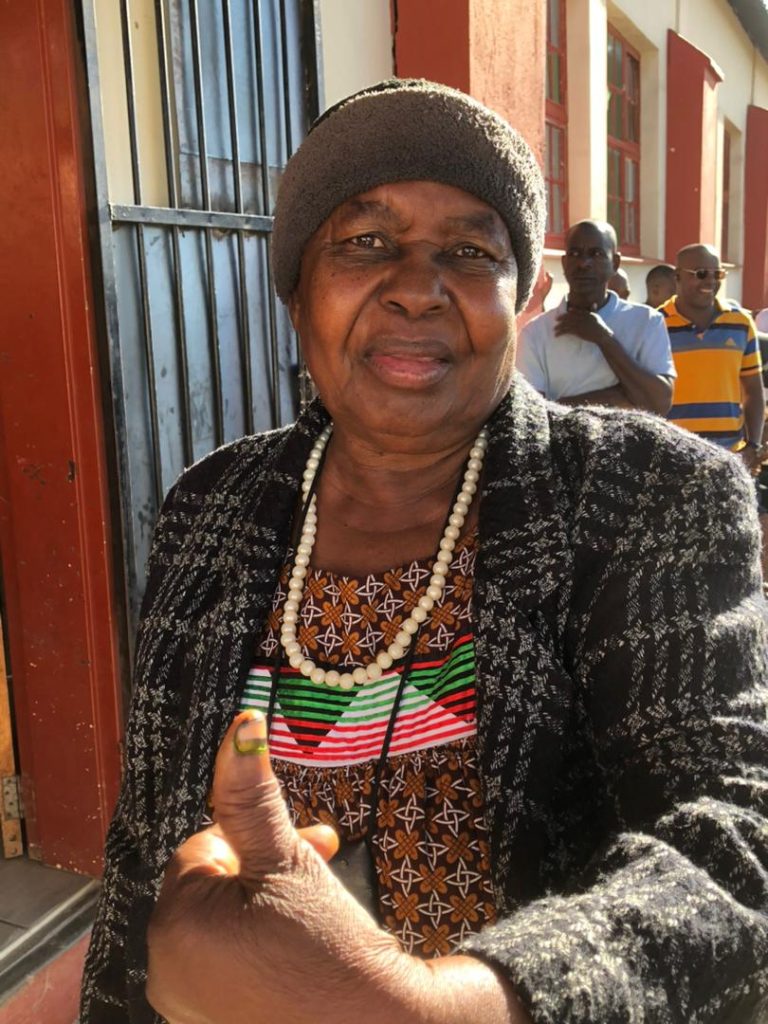
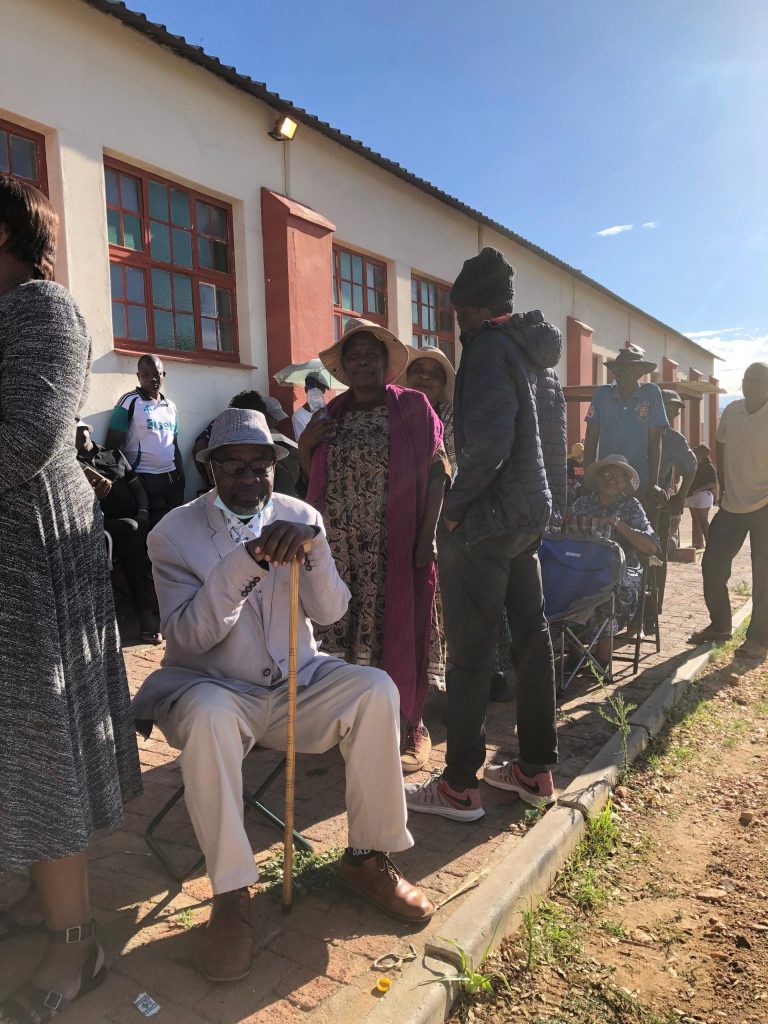
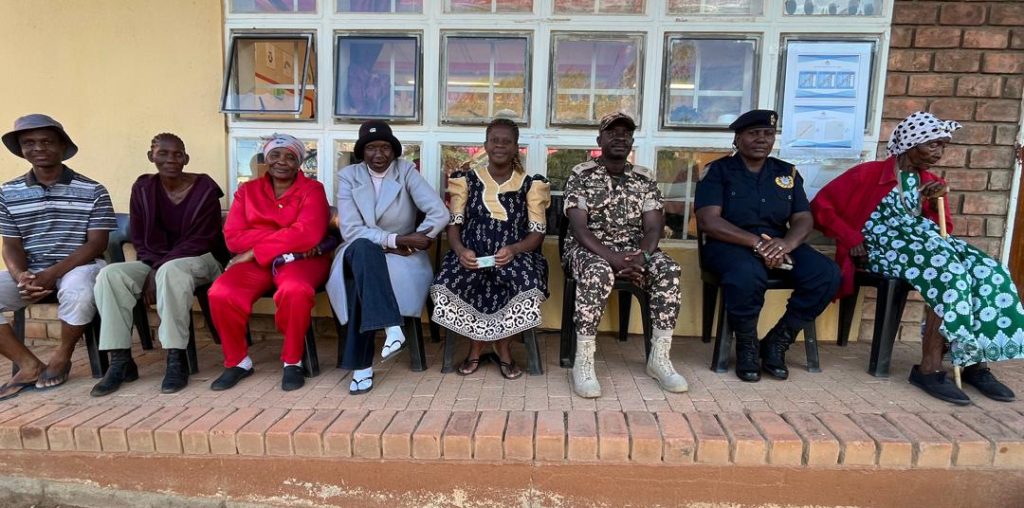
LIVE UPDATE … Elders make up majority of early voters Most early voters, since polling stations opened this morning, have been senior citizens, with many arriving before sunrise to cast their votes.
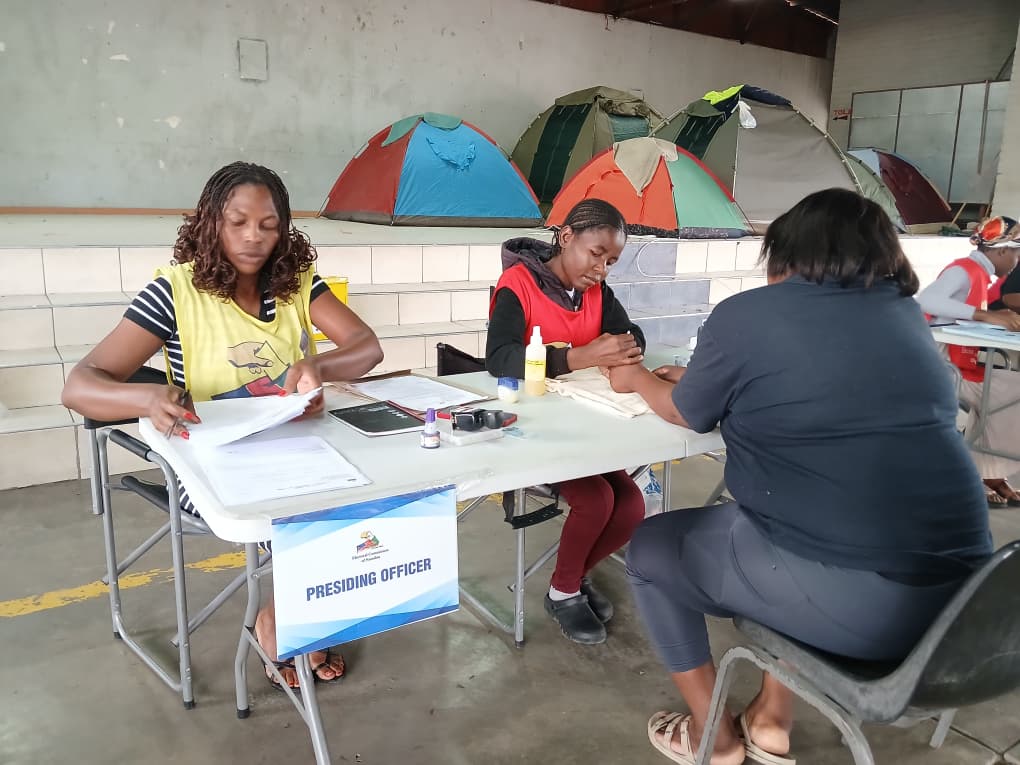
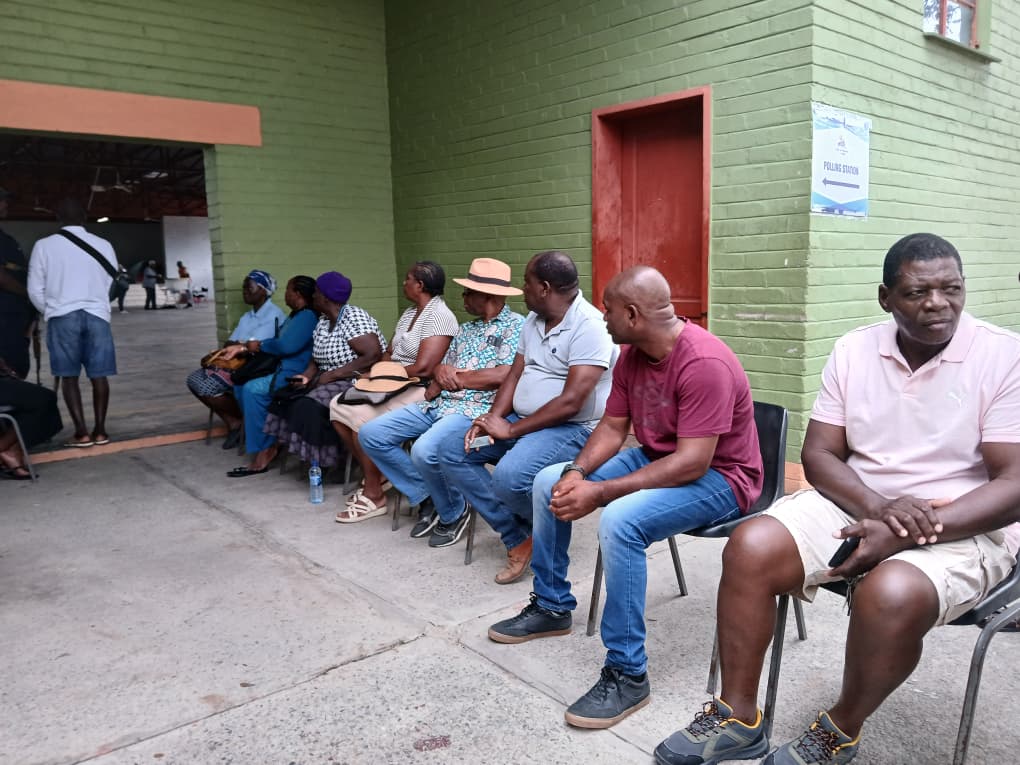
Polling stations open for the regional council and local authority elections
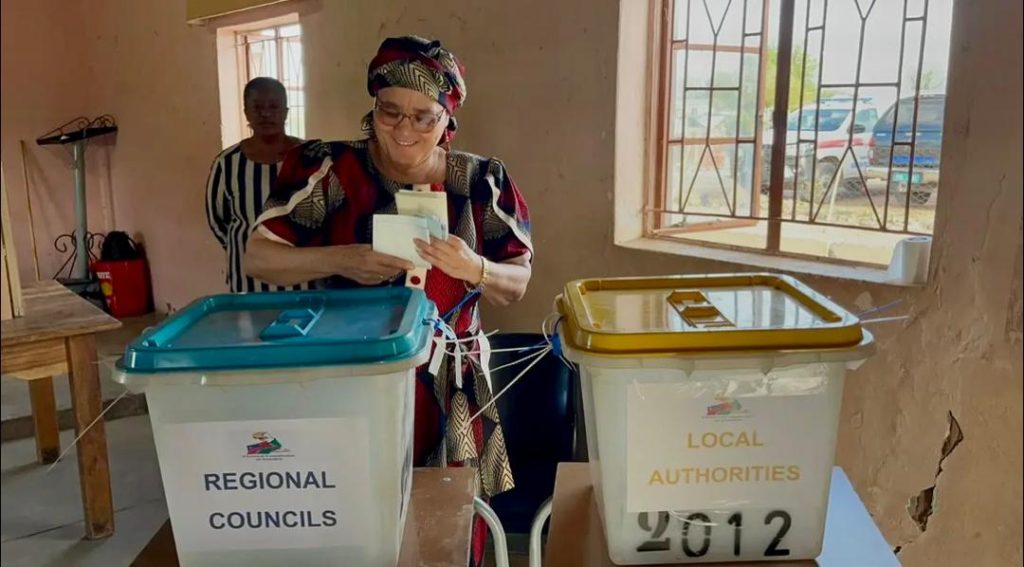
Voters across the country have started casting their votes in the 2025 regional council and local authority elections.
Polling stations opened at 07h00 and are scheduled to close at 21h00.
At Katima Mulilo, voters gathered outside Ngweze Community Hall before sunrise, waiting for their chance to cast their votes.
Similar scenes were recorded at several polling stations in Windhoek.
In the Samora Machel constituency, long queues formed at the Catholic Church polling station ahead of the opening time.
Voters in the Moses ||Garoëb constituency also lined up early at a polling station in Havana Extension Four, where the doors opened at 07h00.
In the Oshikoto region, voting started at Onankali South Combined School, with senior citizens making up the majority of early voters.
25 Tuesday 2025
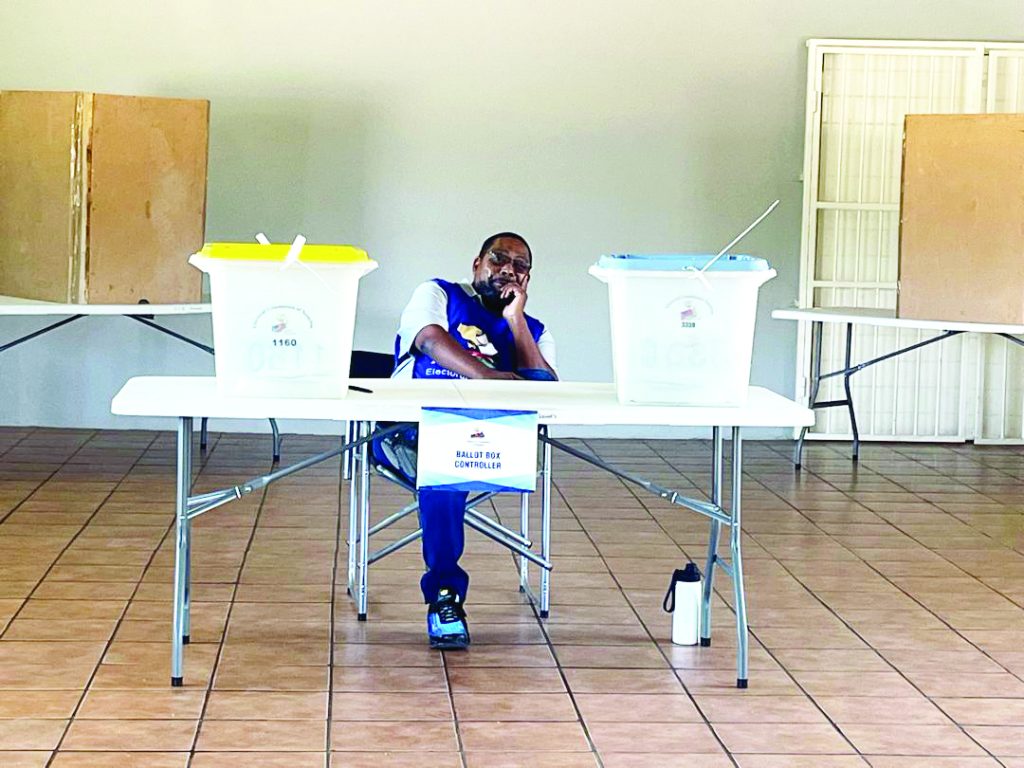
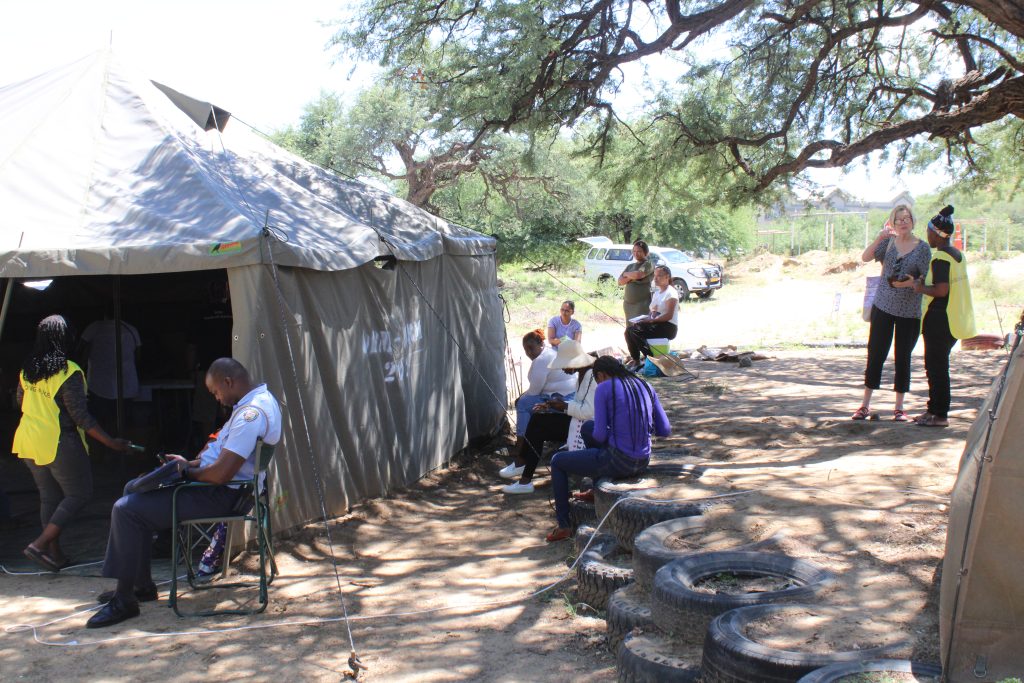
constituencies commenced at a slow pace yesterday, with some polling stations empty as officials
waited for voters to arrive. Voting, however, later picked up. Photo: Martin Endjala
Voter turnout in regional council and local authority elections
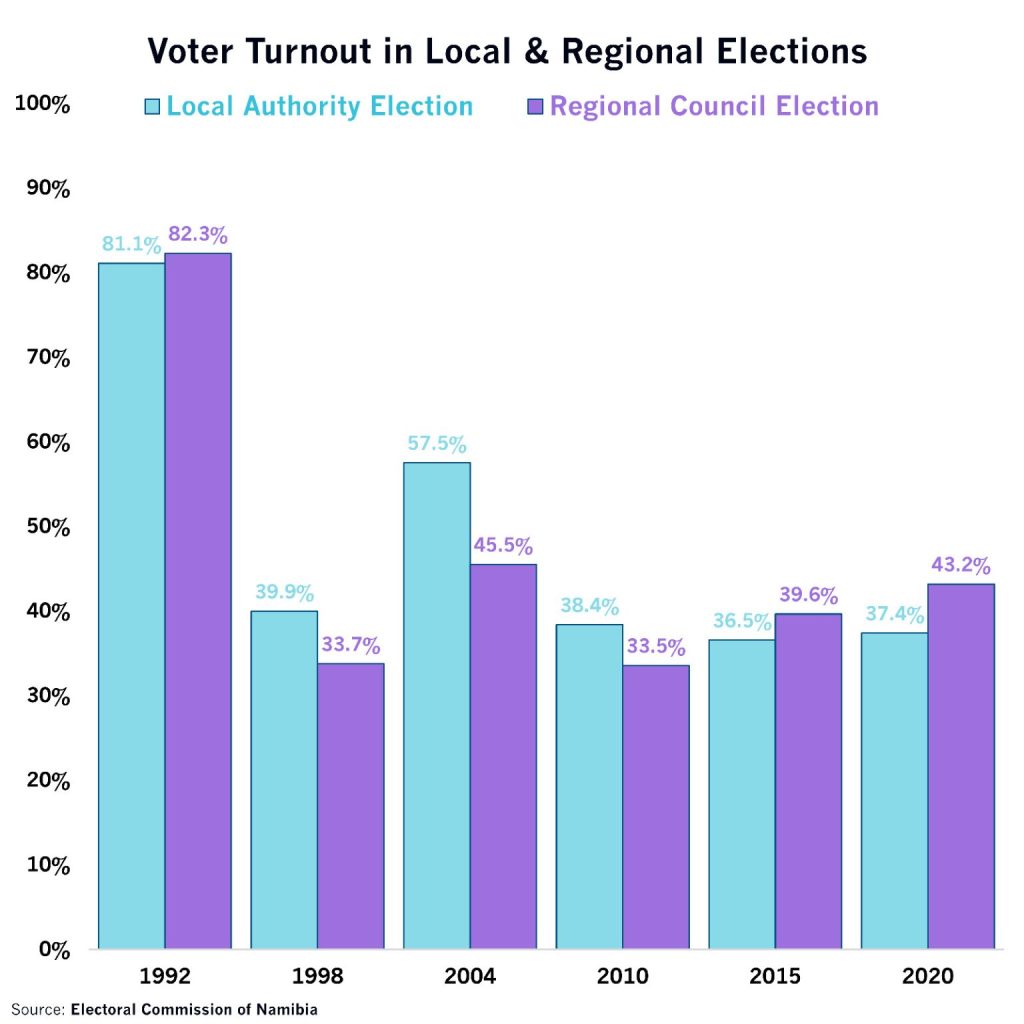
Given the low turnout in regional council (RC) and local authority (LA) elections, results are frequently decided by extremely small margins – sometimes under 10 votes, and on a few occasions a single extra vote has determined the winner.
With the 2025 RC and LA elections set for 26 November, the Electoral Commission of Namibia (ECN) points to historically weak participation in these polls.
In 2020, turnout reached only 37% for LA elections and 43% for RC elections, compared to 60% in the 2019 national election.
This low participation gives each individual vote a much heavier weight relative to national contests.
LA and RC elections arguably hold much unappreciated weight as they have a greater impact on some aspects of the public’s everyday life within their towns/communities than the broader elections.
The Institute for Public Policy Research (IPPR) notes there is a low level of enthusiasm about these elections because the public is not well informed about their importance and purpose.
Potential voters in LA and RC elections believe the outcome is predictable and that their vote does not make a difference, when in fact the margins are often very small and a handful of additional votes could indeed change the outcome.
Local authorities have power over several public and merit goods, such as water and electricity supply, waste management, ambulance services, traffic services, housing schemes, roads, public transportation, and many more.
Some aspects do require the minister’s approval, while the power to borrow, loan, donate and grant money requires approval of the central government.
What are Regional Council and Local Authority Elections?
In an age of information overload, Sunrise is The Namibian’s morning briefing, delivered at 6h00 from Monday to Friday. It offers a curated rundown of the most important stories from the past 24 hours – occasionally with a light, witty touch. It’s an essential way to stay informed. Subscribe and join our newsletter community.

The Namibian uses AI tools to assist with improved quality, accuracy and efficiency, while maintaining editorial oversight and journalistic integrity.
Stay informed with The Namibian – your source for credible journalism. Get in-depth reporting and opinions for
only N$85 a month. Invest in journalism, invest in democracy –
Subscribe Now!