







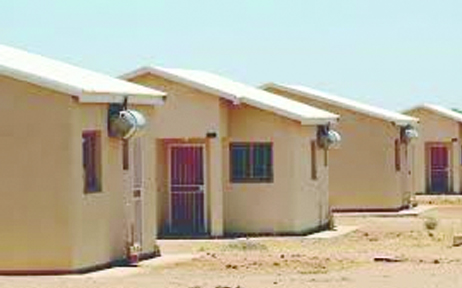
Namibia faces a deep housing crisis, yet its financial regulatory framework continues to treat a basic human need and a depreciating luxury asset as if they carry the same weight.
Commercial banks and the Namibia Financial Institutions Supervisory Authority currently apply a universal affordability rule: monthly debt repayments should not exceed about 30% to 33% of gross income. Though intended to protect consumers, this blanket limit is undermining access to homeownership.
A house is an appreciating asset that provides security and builds generational wealth. A vehicle is a depreciating asset that brings added costs such as fuel, insurance and maintenance. Yet the system treats a N$9 000 repayment on a luxury vehicle the same as N$9 000 toward a primary home. That artificial symmetry creates harmful distortions.
A consumer who spends 30% of income on a car is often under greater financial pressure once the full cost of ownership is considered. By contrast, capping housing at the same level locks many creditworthy Namibians out of the property market. Many then remain trapped in rental arrangements, often paying more than 30% of income for housing that builds no equity.
The Bank of Namibia has already taken a positive step by allowing 100% financing for first- and second-home purchases. However, this relief is limited if buyers are still blocked by the rigid monthly affordability cap. The deposit barrier may have fallen, but the repayment barrier remains firmly in place.
To address this, Namibia needs targeted amendments to the Banking Institutions Act and the Credit Agreements Act. Regulators should adopt asymmetric debt-to-income limits that distinguish between asset classes. Vehicle finance should be capped lower, at around 20% to 25% of gross income, to discourage excessive borrowing on depreciating assets and protect household disposable income.
The room created by a lower vehicle cap should be redirected toward housing. Regulators should allow a tiered and more flexible housing allocation of up to 40% or 45% of gross income, especially for first-time buyers and middle-income earners.
Banks should also move away from relying solely on a flat percentage rule. Regulations should require a residual income model that examines how much money a borrower has left after debt repayments to cover essentials such as food, transport, municipal rates, and taxes. This would give a more realistic picture of affordability.
Namibia cannot solve a modern housing crisis with outdated blanket credit metrics. By legally separating home loans from vehicle finance, the country can shift capital away from depreciating luxuries and toward secure, wealth-building housing. Our financial laws should reflect our social priorities: homes first, cars second.
– Angelo Cloete