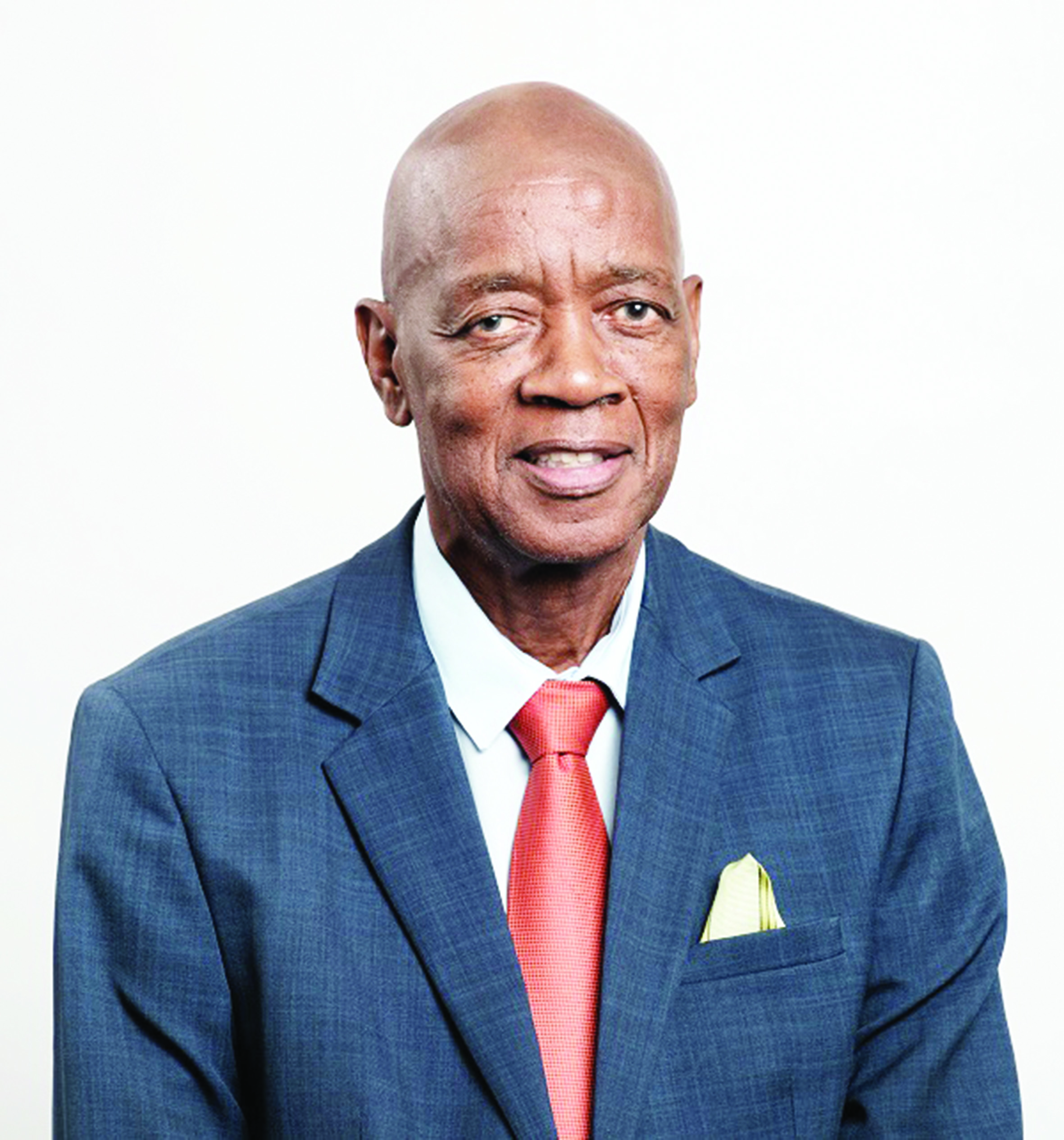
Since the death of our founding president, Sam Nujoma, Namibians from all walks of life have weighed in on his life.
They have done so in speech, song and poetry; and they have done so in style.
However, most tributes have, mainly and rightly, done so in linear historical narratives.
I want to try and offer a different dimension by positioning Nujoma as someone whose political awareness was honed by certain historical factors in a cause and effect process.
I never worked closely with the founding president and for this reason have been reluctant to write about him.
Reconstructing a historical figure of the late Nujoma’s stature is complex and involves piecing together fragments of the past to create a more complete understanding of an individual’s life, experiences and impact.
Secondly, no human activities take place outside time and space; hence the title of this piece.
Reconstructing Nujoma in time and space simply means that his political activism was shaped by political events during that particular period of our history in a country called Namibia, but he was, and most importantly so, also a subjective agent of political change.
‘INEVITABLE’
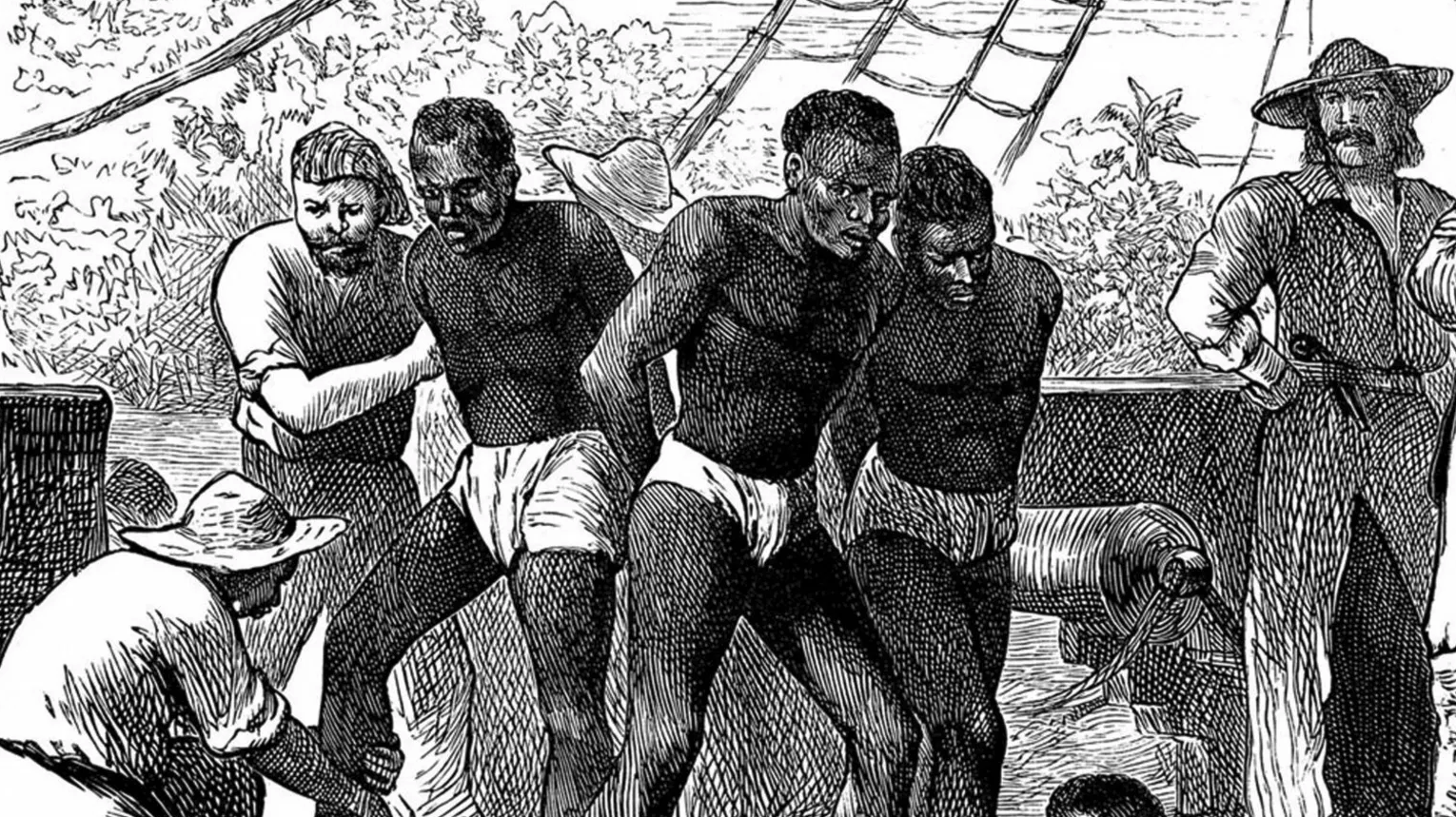
The prevailing objective conditions in colonial Namibia, notably the semi-slavery contract labour system, had to produce a Nujoma.
In the late 40s and 50s, Namibians in the Old Location, under the leadership of the influential Ovaherero paramount chief, Hosea Kutako, started to organise national resistance against South Africa’s colonial rule.
Nujoma, together with other prominent young leaders at that time – like Mburumba Kerina, Kuaima Riruako, Moses //Garoëb and others – were under the political tutelage of Kutako.
It is said Kutako had such confidence in Nujoma that he not only “blessed” him when he went into exile, but he also gave him his staff or walking stick, symbolically handing over the baton to him.
The national resistance that gained momentum in Namibia in the late 50s and 60s was also, to a large extent, influenced by political events in other parts of Africa as some countries started to gain independence.
Nujoma’s political consciousness was thus shaped not only by political events in Namibia but also in other parts of Africa.
A TELLING MOMENT
The Old Location was also a melting pot of different ethnic cultures, therefore, Nujoma’s nationalism was very influenced by that culture.
It was thus little wonder that he and his wife, Kovambo, decided to marry across the ethnic divide – he being Omungandjera and she being Omuherero.
In a speech read on her behalf at her husband’s memorial service, the former first lady ended by illustrating how they would typically greet each other.
When Nujoma would come home after a long day, he would greet her in Oshiwambo, saying: “Ongaalipi Meekulu?” That means, how are you, grandmother?
She would respond in Otjiherero: “Ami mbauhara, ove wauhara vi presidenta?”
Loosely translated that would mean: “I am fine, how are you, Mr president?”
As a social cohesion activist, for me that was the most impactful part of her speech.
The former first lady was trying to teach us that in their household they could shuttle seamlessly between these two languages without blinking an eye; and the heavens did not fall.
FORMATIVE FACTORS
Many historical factors helped shape Nujoma’s political consciousness, like why Swapo decided to take up arms; why it adopted a socialist political programme in the 70s; how the collapse of the Soviet Union and other socialist countries in the 90s, and the adoption of UN Security Council Resolution 435 compelled the movement to adopt a more pragmatic approach at the dawn of independence in 1990, etc.
However, space does not allow me to elaborate on all these factors, except to say Nujoma’s political consciousness was shaped by the historical events of his times but he was, equally, a subjective catalyst for political change.
In other words, objective conditions in colonial Namibia created a Nujoma, but at the same time he seized the moment and helped create subjective conditions to liberate his people.
Rest in peace, Tatekulu.
- Gerson Tjihenuna is a commissioner of elections. The views expressed here are entirely his own and do not represent those of the Electoral Commission of Namibia.
In an age of information overload, Sunrise is The Namibian’s morning briefing, delivered at 6h00 from Monday to Friday. It offers a curated rundown of the most important stories from the past 24 hours – occasionally with a light, witty touch. It’s an essential way to stay informed. Subscribe and join our newsletter community.

The Namibian uses AI tools to assist with improved quality, accuracy and efficiency, while maintaining editorial oversight and journalistic integrity.
Stay informed with The Namibian – your source for credible journalism. Get in-depth reporting and opinions for
only N$85 a month. Invest in journalism, invest in democracy –
Subscribe Now!