

The Expansive landscapes of southern Namibia are shrouded in a heavy, anxious silence.
In a blow to the nation’s multi-billion dollar agricultural heritage, Namibia has confirmed an outbreak of foot-and-mouth disease (FMD) in its highly prized, internationally recognised FMD-free zone.
Acting minister of agriculture, Charles Mubita, delivered the grim news after routine veterinary surveillance flagged a commercial farm in the Karasburg district, deep in the ||Kharas region.
Of 11 cattle showing symptoms, 10 tested positive at the Central Veterinary Laboratory.
The government had no choice but to immediately invoke the Animal Health Act.
It froze all nationwide movements, imports, and exports of cattle, sheep, goats, and pigs.
The fallout was felt immediately. Among others, it forced the abrupt cancellation of the popular Windhoek Industrial and Agricultural Show.
Beyond the empty showgrounds, the economic reality is chilling.
The Simonis Storm research team warns that these trade bans could choke 2026’s economic growth down to just 2%, draining up to N$1.8 billion over the next two years as lucrative markets like the European Union, the United States, and China shut their doors.
BATTLE LINES
For the thousands of Namibian families who rely on livestock, it is not just a statistic, it is a threat to their survival.
In searching for a way out of this nightmare, Namibia can look across the border to Botswana, which has mastered the delicate art of FMD management.
Relying on the same premium European Union (EU) beef markets, Botswana’s ministry of agriculture responds to viral threats with absolute precision.
They deploy strict geographic zoning, physical veterinary cordon fences, and an advanced electronic tracking system utilising bolus chips.
By isolating high-risk zones from clean areas, Botswana ensures that a localised outbreak only pauses trade for the infected region, keeping the rest of the national economy afloat.
Namibia knows how to fight this battle. It cleared a massive northern outbreak a decade ago within a single year by leveraging its own digital tracing systems to track down the source before it could spread.
Surviving the current crisis requires the government to act speedily as well as with deep empathy for struggling farmers.
URGENCY NEEDED
First and foremost, the authorities need to narrow the sweeping nationwide restrictions down to a targeted 30-kilometre containment zone around the Karasburg epicentre.
Keeping the entire country locked down for too long will all but break the red meat industry.
At the same time, the state must urgently fund the newly formed National FMD Task Force to protect farmers from financial ruin as cattle prices plummet.
Every cent of the Cabinet-approved N$57.5 million emergency fund needs to hit the ground immediately, transforming critical southern borders like Noordoewer and Ariamsvlei into fortified biosecurity checkpoints equipped with disinfection wash bays.
ACTION POINTS
Defeating the virus requires tough, immediate action on the ground, as international data shows that strict quarantines and swift isolation help countries regain their export status much faster than long-term mass vaccination.
GATEKEEPERS
Looking past the immediate panic, the real victory lies in building permanent gatekeepers to ensure this never happens again.
The directorate of veterinary services must work hand-in-hand with the border police to stop illegal, unvetted meat from crossing the border.
At the same time, a cultural shift is needed on the farms themselves. Managers and labourers must commit to strict self-quarantine protocols for any outside vehicles or personnel.
Yet beneath the current worry lies resilience and truth: Namibia has faced these structural storms before and won.
The bond between the people, the land, and the cattle runs deep in our national DNA, and the swift cooperation already taking place between commercial farmers, communal leaders, and veterinary officials shows that the spirit of unity is very much alive.
By matching this grit with rigorous science and tight border vigilance, Namibia will not only overcome this temporary hurdle, but will emerge with a stronger, safer agricultural sector, safely reclaiming its proud place on the global stage
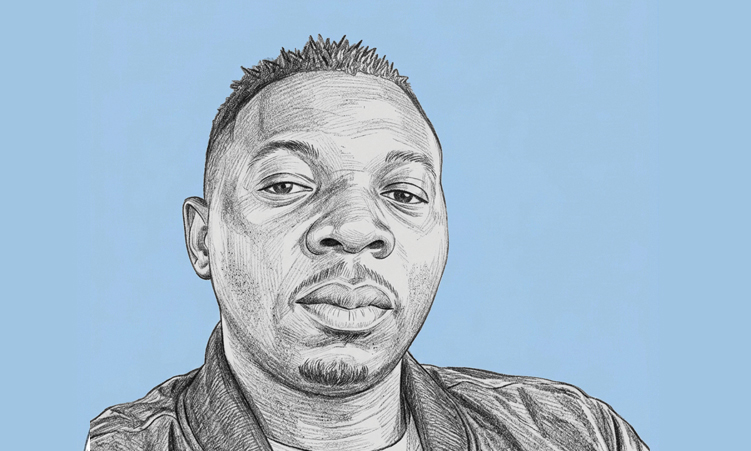
– Kevin Rukoro is a youth activist, public servant, media student and founder of the Anointed Levites Foundation. The views expressed in this article are solely his own and do not necessarily reflect those of any organisation or his employer.