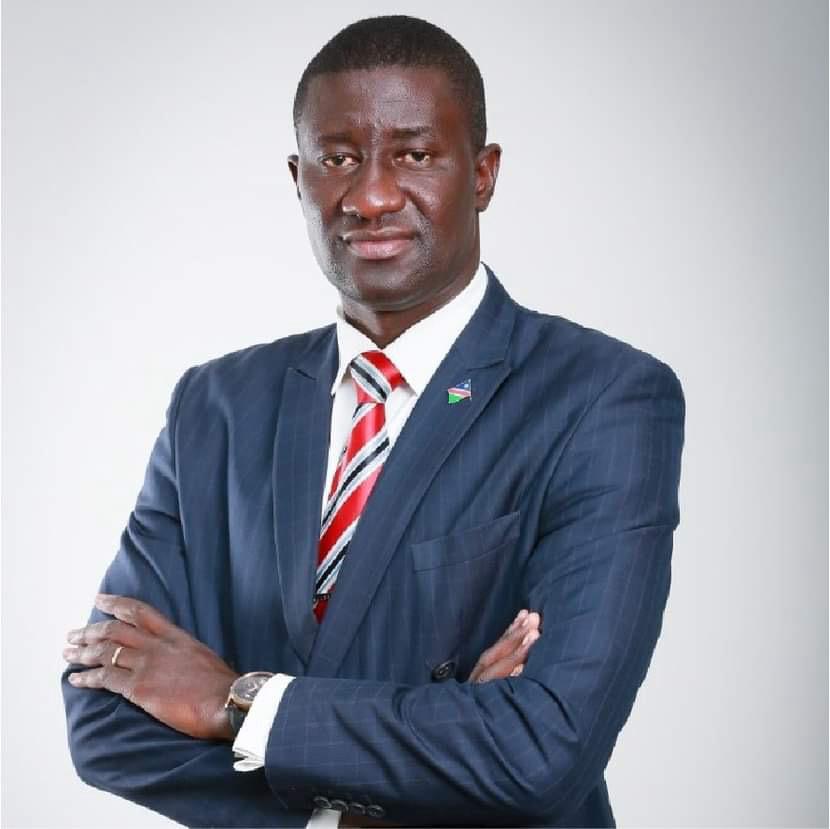




WITH NAMIBIA’S ENERGY sector and its overall economy on the cusp of unprecedented transformation given massive offshore oil and gas discoveries, now is the time for much-needed regulatory and other reforms, says energy law expert Shakwa Nyambe of SNC Incorporated.
“There are some key gaps, particularly in the later stages of the life cycle of oil and gas projects, after exploration,” says Nyambe, who previously worked as a legal counsel at the National Petroleum Corporation of Namibia (Namcor).
“We may need separate regulations for development and production, and we need to do that now, because once we reach production it may be too late. We need to put everything in place and ensure it’s enforced.”
Last year, supermajors TotalEnergies and Shell announced huge offshore discoveries which are set to become multibillion United States dollar projects.
Further discoveries in 2023 have added to Namibia’s fast-rising status as a new frontier for African energy, with the nation’s economy expected to double in size over the 15 to 20 years after production begins.
Nyambe, who has represented many international and national oil and gas companies and service providers to the industry, believes the Namibian government should look to learn from other jurisdictions which are managing energy resources well.
These include Norway, Tanzania and Canada.
Considering the billions of dollars at stake, he says it’s vital that changes are made to address gaps, implement local content provisions promoting the participation of Namibian companies throughout the value chain, and ensure transparency and accountability, including through the creation of an independent upstream regulator.
“Like other models used around the world, an independent Namibian regulator could issue licences, manage local content, enforce environmental regulations, and monitor petroleum activities,” says Nyambe, who established his boutique Windhoek-based firm in 2019.
“Such a regulator could ensure there’s no political interference and eliminate the chances for corruption.”
Nyambe says under its national energy policy of 2017, the Namibian government itself has long recognised the need for both a local content legal framework to promote the employment of Namibians and the participation of Namibian businesses in the oil and gas industry, and the creation of a regulator independent of the minister of mines and energy.
“So we expect them to ensure that policy decisions are implemented by making amendments to current legislation and regulations in order to provide for both of those things,” he says.
Nyambe admits that SNC Incorporated is in a unique position as a specialist local law firm which already has strong expertise and international experience in what is a new frontier for African energy.
“The oil and gas industry has its own intricacies and ways of doing things, which require lawyers with knowledge and skills for legal issues and business advice for compliance with local regulations and international standards,” he says. – Africa Legal
In an age of information overload, Sunrise is The Namibian’s morning briefing, delivered at 6h00 from Monday to Friday. It offers a curated rundown of the most important stories from the past 24 hours – occasionally with a light, witty touch. It’s an essential way to stay informed. Subscribe and join our newsletter community.

The Namibian uses AI tools to assist with improved quality, accuracy and efficiency, while maintaining editorial oversight and journalistic integrity.
Stay informed with The Namibian – your source for credible journalism. Get in-depth reporting and opinions for
only N$85 a month. Invest in journalism, invest in democracy –
Subscribe Now!