



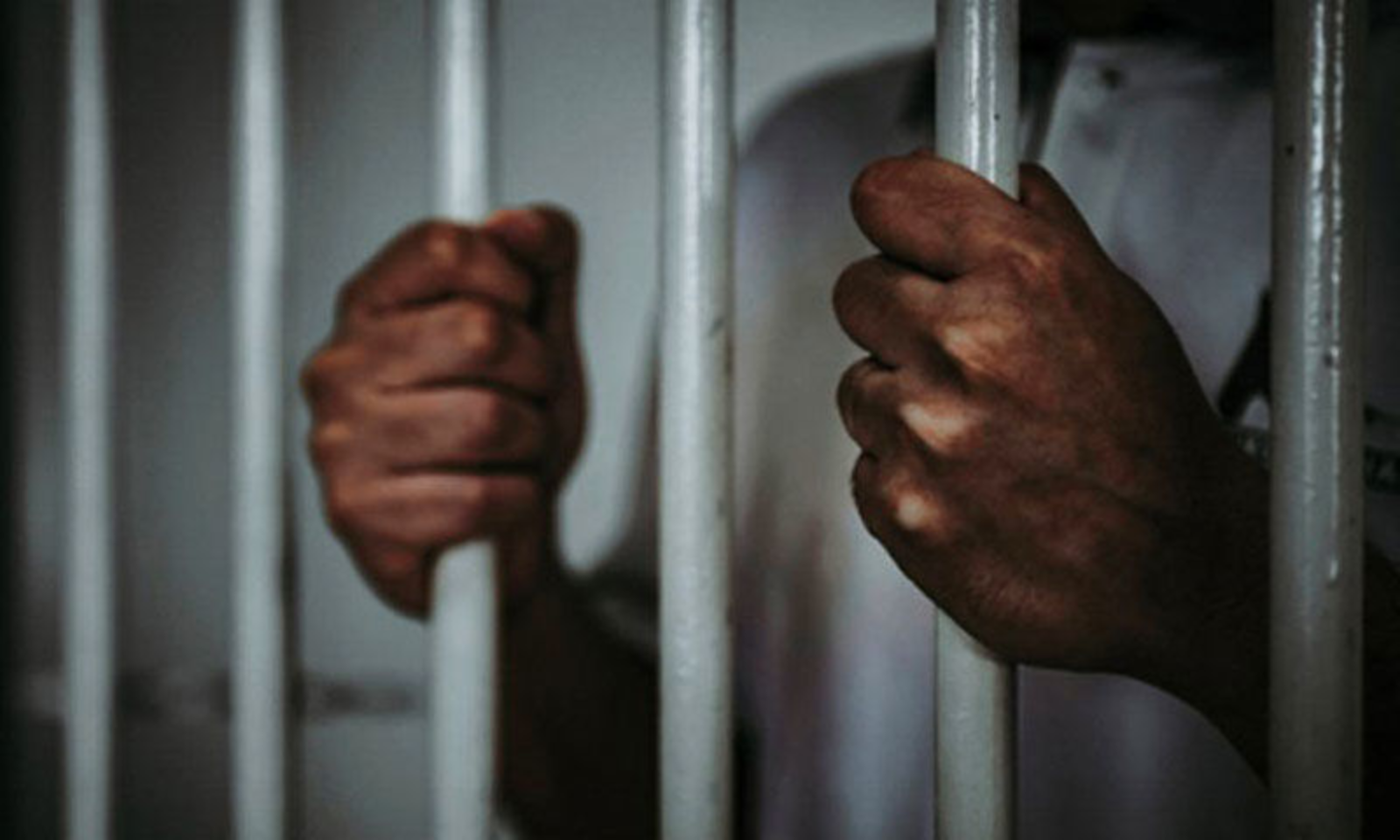
A Recent report by a parliamentary standing committee has found that Namibia’s correctional facilities are in “deplorable condition”.
Issues such as overcrowding, infrastructure decay and resource shortages are placing safety and human dignity in jeopardy.
The report, submitted on 19 February, calls for urgent action, especially in the Erongo and Zambezi regions.
Several issues with correctional facilities were identified and evaluated with the aim of creating strategies to promote both safety and dignity, and reduce repeat crimes in the long run.
According to the report, cells across the country are filled to between 200 and 300% of their capacity.
The Katima Mulilo Police Station was found to house over 2 000 inmates in a facility with an 80-person capacity.
The infrastructure was found to be outdated and decaying, often having been built pre-independence.
The Mondesa Police Station was declared uninhabitable by health inspectors due to structural concerns.
Resource shortages were found to be frequent, especially in police stations.
It was suggested that 70 to 80% of police vehicles were non-operational and police uniforms were being reused for as long as 20 years.
Additionally, mental health cases in particular were backlogged as psychiatric evaluations require long wait times due to Windhoek-centric services.
The report goes on to emphasise that inmates often do not receive food that meets their nutritional needs, thus putting their health at risk and infringing on their human rights.
“Urgent attention is required . . . to uphold the dignity and human rights of all persons affected. By tackling these critical deficiencies, police and correctional systems have the potential to transform the environments in which they operate.
It is imperative that these spaces are seen as rehabilitative rather than purely punitive. This transformation is contingent upon systematic policy improvements that prioritise human rights,” the report says.
The parliamentary standing committee on foreign affairs, defence and security conducted visits to police stations, correctional and military facilities in all 14 regions, where they spoke to both facility heads and inmates.
The report suggests decongesting these facilities and regular inspections and check-ins as immediate remedies, as well as updating infrastructure and implementing systemic changes over a longer term.
A number of areas of key concern were identified. One of these is the Osire Refugee Camp in the Otjozondjupa region.
Over 6 000 asylum seekers, mostly from eastern and western Africa, live here. Only five out of 15 boreholes are operational, forcing them to rely on weekly water trucks.
There is also no clinic or permanent medical staff on site.
Similarly, serious concerns were raised in regards to the damaged runway at the Karibib Air Force Base and the conditions of military vessels such as the ‘Elephant’, which is at risk of grounding.
Urgent intervention is needed to avoid what the report refers to as an “international embarrassment”.
In an age of information overload, Sunrise is The Namibian’s morning briefing, delivered at 6h00 from Monday to Friday. It offers a curated rundown of the most important stories from the past 24 hours – occasionally with a light, witty touch. It’s an essential way to stay informed. Subscribe and join our newsletter community.

The Namibian uses AI tools to assist with improved quality, accuracy and efficiency, while maintaining editorial oversight and journalistic integrity.
Stay informed with The Namibian – your source for credible journalism. Get in-depth reporting and opinions for
only N$85 a month. Invest in journalism, invest in democracy –
Subscribe Now!