


The government’s intention to introduce universal free health coverage and make it comparable to the standards of Namibia’s private healthcare sector is bold and politically attractive.
At its core, the idea is simple: No Namibian should be denied quality healthcare because of income. However, as the government publicly signals its intent, it is essential that we ask ourselves a fundamental question: Can a system of universal care be effective when our hospitals are struggling to provide basic services today?
The Ministry of Health and Social Services has submitted an estimated N$16 billion proposal for Cabinet consideration to upgrade hospitals and clinics.
Expanding access while simultaneously upgrading facilities to private level standards would require significant monetary contributions. Without new revenue streams, whether through tax reform or national insurance contributions, the burden would fall heavily on the existing fiscal envelope.
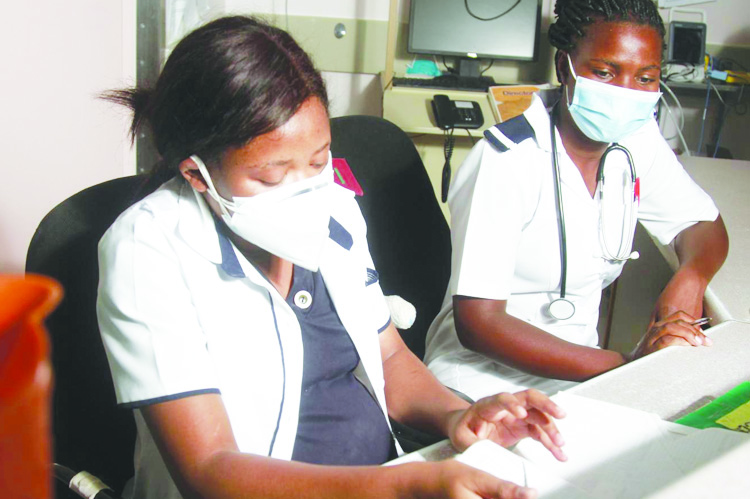
Our public hospitals and clinics face well-documented challenges from infrastructure strain, overcrowding and medicine stock-outs. Reports of shortages of essential medicine, linen deficits, and a lack of mattresses resulting in patients sleeping on floors are not isolated incidents.
In contrast, the private sector operates under a different model. Private hospitals offer shorter waiting times and a cleaner environment largely because they are funded through medical aid contributions and private payments.
Several countries provide universal healthcare, but very few rely purely on a government-only model. In the United Kingdom, the system struggles with long waiting lists and staff shortages. On the other hand, Germany operates a hybrid social health insurance model where funding comes from mandatory insurance contributions. This mixed system spreads financial risk and leverages private sector efficiency.
Namibia should adopt a phased approach, starting with institutional upgrades and the purchasing of essential items. The government can also explore national health insurance contributions from employers and employees, as well as strategic purchasing of services from private hospitals to reduce congestion in state facilities.
Currently, the average waiting time at public hospitals ranges from two to five hours. If we are to add more than 90 000 more potential patients, the sector will collapse.
Universal healthcare should guarantee quality, safety and dignity. That means clean facilities, consistent medicine supply and motivated healthcare workers.
If Namibia aligns policy ambition with fiscal realism, universal coverage can succeed.
If not, we risk creating a system which is free but overstretched, and we are planning to fail.
– James Lifalaza
In an age of information overload, Sunrise is The Namibian’s morning briefing, delivered at 6h00 from Monday to Friday. It offers a curated rundown of the most important stories from the past 24 hours – occasionally with a light, witty touch. It’s an essential way to stay informed. Subscribe and join our newsletter community.

The Namibian uses AI tools to assist with improved quality, accuracy and efficiency, while maintaining editorial oversight and journalistic integrity.
Stay informed with The Namibian – your source for credible journalism. Get in-depth reporting and opinions for
only N$85 a month. Invest in journalism, invest in democracy –
Subscribe Now!