PEUGEOT is said to have given the Namibian government until the end of this year to resolve issues hampering the car-maker from exporting Namibian-assembled vehicles, or see the company shut down operations and relocate.
The development comes 10 months after president Hage Geingob opened the N$190 million assembly plant at Walvis Bay, heralding a landmark economic development for Namibia, as the first foreign motor-vehicle factory in the country.
The government, through the National Development Corporation (NDC) and the French multi-national manufacturer of automobiles, Groupe PSA, signed an investment agreement that led to the creation of the joint venture, the Peugeot-Opel Assembly Namibia (POAN) plant at Walvis Bay.
Namibia has a 49% share in the project.
According to an online statement from PSA’s executive vice president for the Middle East and Africa region, Jean-Christophe Quemard, the investment in Namibia is part of Groupe PSA’s long-term strategy to increase its sales in Africa and the Middle East, and that the Walvis Bay plant will serve regional markets with products in line with Peugeot’s customer expectations.
The plant was expected to assemble 5 000 cars per year by 2020 – as a start. It assembles Peugeot 3008, Peugeot 5008 and Opel Grandland X models.
It now appears these expectations are being hampered by issues around export tariffs.
Well-placed sources said the plant’s management sent a letter to the government, listing the company’s intentions to pull out if these issues over exports are not addressed by the end of the year.
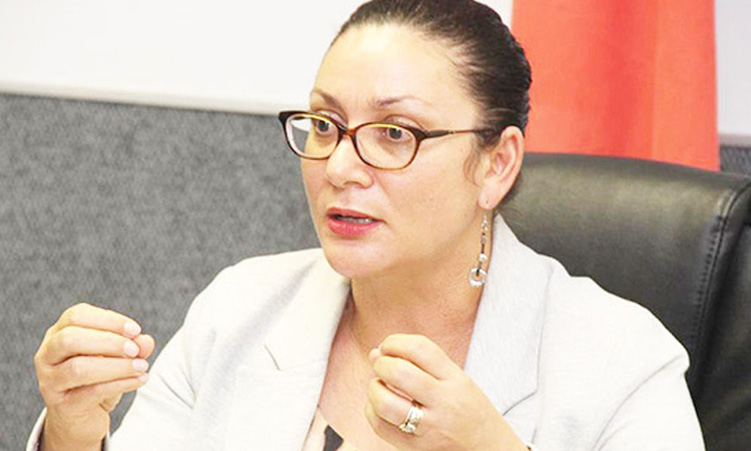
Approached for comment, deputy industrialisation executive director Michael Humavindu admitted there are issues hampering Peugeot’s intention to export vehicles into the African markets from Namibia.
He said the agreement between the two parties seemingly had “a provision that slows the finality of ensuring [Peugeot] is able to export its product”.
“So, it’s a matter of going back to the agreement, and looking for policy solutions around it so that you are then able to facilitate the project’s success,” Humavindu observed.
Asked about the ultimatum, he said: “I don’t know, but as an investor having invested so much and seeing the potential of what the SADC market and the Africa free trade agreement is giving you, I’m not sure if they (Peugeot) would want to pull out but rather work on finding solutions to ensure they get policy provisions to take their product to the market.”
He added that the parties are in discussion on how to resolve the issues “to ensure Peugeot is able to export into the markets”.
In the meantime, to salvage the situation, he referred to the finance ministry’s public procurement directive issued a few months ago, specifically for local government entities to buy the cars from POAN.
“This would make a big difference to ensure we sustain the project during the first year of operation,” he said, adding that larger institutions, such as the Ministry of Urban and Rural Development, have a “big mass of buying power” to help defer the project risk at the beginning.
“There could be issues around the exportation of the car, but if the local market can take up what is currently on the floor, it would help,” he continued.
Humavindu said he is responsible for POAN, “so its failure and success will be ascribed to me, on behalf of the government”.
Sources suggested that the tariff issues may have been caused by the National Association of Automobile Manufacturers of SA (Naamsa), which, at the time of the opening of POAN, questioned Namibia’s partnership with Peugeot, suspecting that it was a move by the car manufacturer to sidestep import duties, and so breach Southern African Customs Union (Sacu) rules.
Humavindu at the time told The Namibian that Namibia is within the Sacu guidelines, and reiterated this week that “we should refrain from the blame-game”, as Naamsa was considered a valuable partner to Namibia in regional trade.
Finance minister Calle Schlettwein also confirmed that there are issues regarding export tariffs where customs have been involved.
“We have looked at it, and we have made a proposal through the line ministry. We are discussing it,” he said.
The Namibian sent questions to Group PSA’s Pierre Foret, whom Humavindu referred to as his French counterpart with regards to the assembly plant, and asked whether they could confirm the letter and ultimatum, and what exactly the issues are and how they affect POAN’s business in Namibia.
“PSA has no comment,” he responded.
Email: adam@namibian.com.na
In an age of information overload, Sunrise is The Namibian’s morning briefing, delivered at 6h00 from Monday to Friday. It offers a curated rundown of the most important stories from the past 24 hours – occasionally with a light, witty touch. It’s an essential way to stay informed. Subscribe and join our newsletter community.

The Namibian uses AI tools to assist with improved quality, accuracy and efficiency, while maintaining editorial oversight and journalistic integrity.
Stay informed with The Namibian – your source for credible journalism. Get in-depth reporting and opinions for
only N$85 a month. Invest in journalism, invest in democracy –
Subscribe Now!