







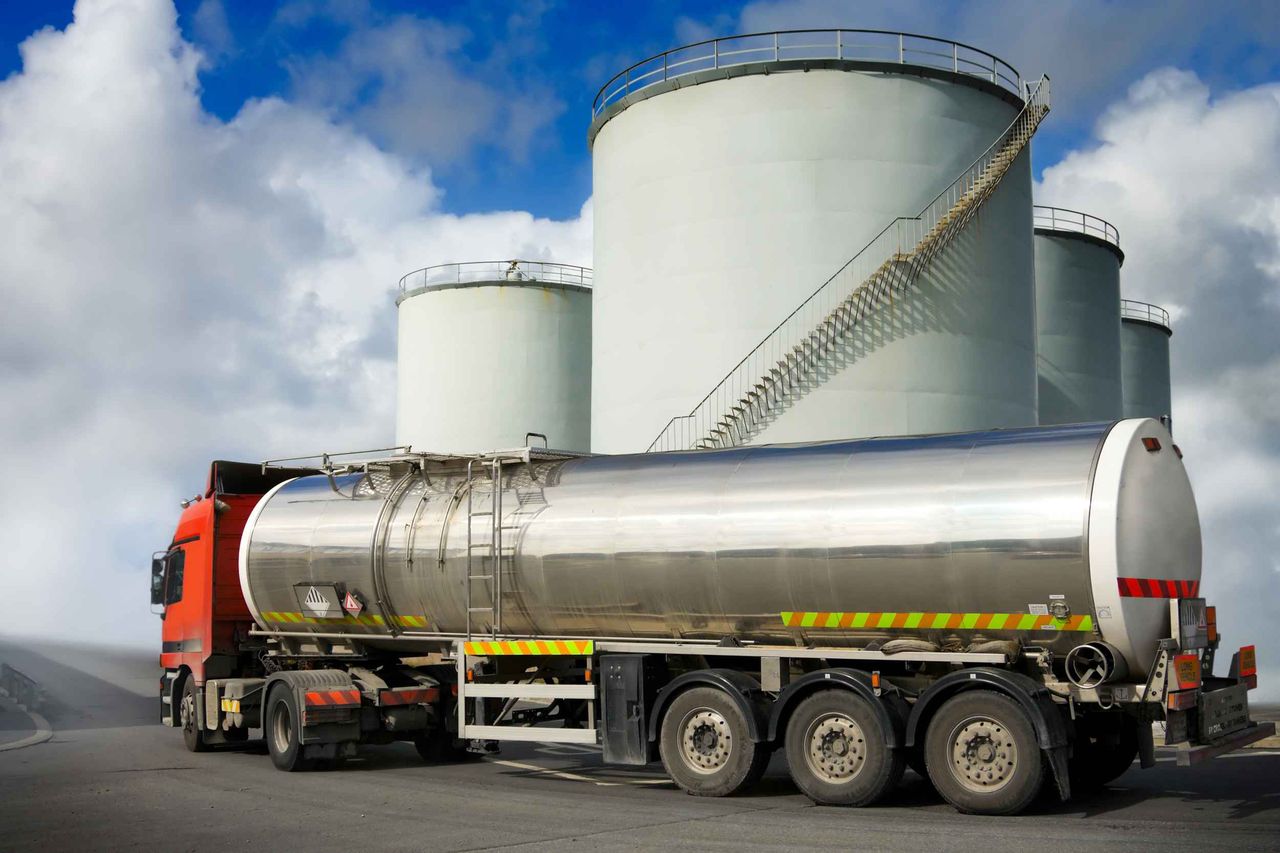
Namibia spent more money on importing petroleum oils than on any other product in April.
Petroleum oils, which include fuels such as diesel and petrol, made up 18.1% of all goods imported into the country during the month of April. This is according to the latest bulletin on international merchandise trade statistics released by the Namibia Statistics Agency (NSA).
Namibia bought goods worth N$14.2 billion from other countries in the month under review, but only sold goods worth N$9.8 billion to the rest of the world.
As a result, the country spent N$4.4 billion more on imports than it earned from exports.
NSA statistician general and chief executive Alex Shimuafeni says petroleum oils were mainly imported from Nigeria, Oman and Sweden.
This comes as the war in the Middle East escalated in February when the United States and Israel launched their joint strikes on Iran. This had an impact on the operations of the Strait of Hormuz.
The Strait of Hormuz is a key shipping route used to transport oil from the Middle East to countries around the world, including Namibia. About one in every five barrels of oil used globally passes through this route.
Earlier this year, tensions in the Middle East raised concerns about oil supplies and contributed to fuel price increases in Namibia. At the time, industries, mines and energy minister Modestus Amutse urged the public not to panic buy or hoard fuel.
However, fuel prices remained unchanged this month, with petrol selling at N$23.48 per litre, diesel 50ppm at N$28.26 per litre and diesel 10ppm at N$28.36 per litre at Walvis Bay.
Shimuafeni says the country’s import basket was largely made up of petroleum oils, nickel ores and concentrates, commercial vehicles, civil engineering equipment and passenger vehicles.
Petroleum oils were followed by nickel ores and concentrates, which made up 8.2% of total imports.
Commercial vehicles, such as trucks and delivery vehicles used by businesses, were the third most imported products, making up 4.7% of total imports.
Equipment used for construction and engineering projects, as well as passenger vehicles, was also among the five most imported products during the same period.
He says South Africa remained Namibia’s largest trading partner for both exports and imports during the month under review.
On the export side, Shimuafeni says non-monetary gold was Namibia’s biggest export product, accounting for 17.7% of total exports.
Fish followed with 15.6%, while uranium contributed 15%. Diamonds and petroleum oils completed the top five export products.
“Fish was the only non-mineral product among the top five exports,” says Shimuafeni.
Namibia earned less money from exports in April than it did in March, with export earnings falling by 26.2% to N$9.8 billion.
Although the country also spent less on imports during the same period, imports remained much higher than exports, meaning Namibia continued to buy more from other countries than it sold to them.
Shimuafeni says Namibia sold more goods to Botswana, Canada and Spain than it bought from the three countries.
However, the country bought far more goods from South Africa, Nigeria and Oman than it exported to those countries.
In April, Namibia also exported hides and skins worth N$2.1 million, primarily selling them to Italy, South Africa, and Germany.
During the same month, Namibia imported hides and skins worth just over N$1 000, with all of the imports coming from South Africa.