



In remembering Independence Day, I need to begin with my return from exile.
For 12 years, I had hoped to return home.
When we heard that we would be repatriated in 1989, I was filled with joy and hope, but also fear and sadness. “What if?” was always on my mind.
On 1 April 1989, People’s Liberation Army of Namibia (Plan) fighters were killed in an ambush, and I thought it was the end of the implementation of Resolution 435 and that we would not be coming home.
However, the peace plan held, and we prepared for our return from exile. My journey to Luanda airport was on the back of a truck, with only two suitcases.
On 4 July 1989, I flew into JG Strijdom Airport (now Hosea Kutako) in Windhoek with my 11-year-old daughter and other exiles from Luanda.
It felt like a dream. We were processed and driven by bus to the Dobra reception centre.
On our way from the airport, during a dry July month, my daughter asked whether this was the country we had fought for, because it was so dry.
My reply was yes – but beneath that dryness lay our mineral wealth, which would be used for the prosperity of our country.
ANTICIPATION AND GRATITUDE
I was reunited with family and friends whom I had not seen for 12 years, and I expressed my gratitude at being back home alive.
Many did not make it back; some were buried in unmarked graves, and I felt a great sense of sadness for their families who were still waiting and hoping.
On 12 September 1989, while watching a video about Steve Biko, who was murdered on that day in 1977, I received a call that Swapo member Anton Lubowski had been shot and killed in front of his house in Windhoek.
I had been working with him for about a month from his home, and the last time I had seen him was earlier that same day as I was leaving.
Namibia was on tenterhooks. I feared that his assassination might derail our elections and our path to democracy and nationhood, but once again we prevailed.
In November, I joined long queues to cast my vote for the first time.
PAST WRONGS
The adoption of Namibia’s Constitution on 9 February 1990 was an important milestone for Namibians.
Most importantly, it outlawed racial discrimination, entrenched the rule of law, established the Bill of Rights, and created the three branches of the state – namely a representative parliament, an accountable government, and an independent judiciary – as the bulwark of our democracy.
It affirmed that no one is above the law. As a lawyer, I was filled with hope that all would be equal before the law and that everyone would be considered innocent until proven guilty.
Unfortunately, this was not borne out by my own bitter experience.
On Independence Day in 1990, I stayed at home watching the ceremony on television. I simply could not bring myself to go to the stadium.
The wounds were still raw, and I had mixed emotions. When the South African flag came down and our flag was raised, I went outside and cried – for myself and for my country.
I asked whether we would ever confront the dark chapter in our liberation history, including what happened in Lubango.
How would our contributions be measured and valued in an independent Namibia? Would we continue to live in fear that such ugly history might repeat itself?
Thirty-six years later, little has been done in terms of acknowledging past wrongs, achieving reconciliation in its truest sense, and offering forgiveness.
WE NEED TO BUILD A BETTER LIFE FOR ALL
I have often asked how we will give practical meaning to the principles embodied in our Constitution, and what human rights and justice will look like in a new Namibia.
During Independence Day celebrations over the years, I have longed to see more than military parades – rather, marches by teachers, health workers, artisans, pilots and engineers who are driving our development.
Namibia has been at peace for 36 years. Is it not time to now focus on development, to fight poverty and corruption, and to show our people the true meaning of peace, freedom, and justice?
Peace is not merely the absence of war, but also the absence of inequality and poverty.
While we are no longer at war and Casspirs have disappeared from our streets, people still live in poverty and without dignity. Human dignity and social justice still elude the majority of our people.
On this Independence Day, we remember – and we must commit to building a better life for our people.
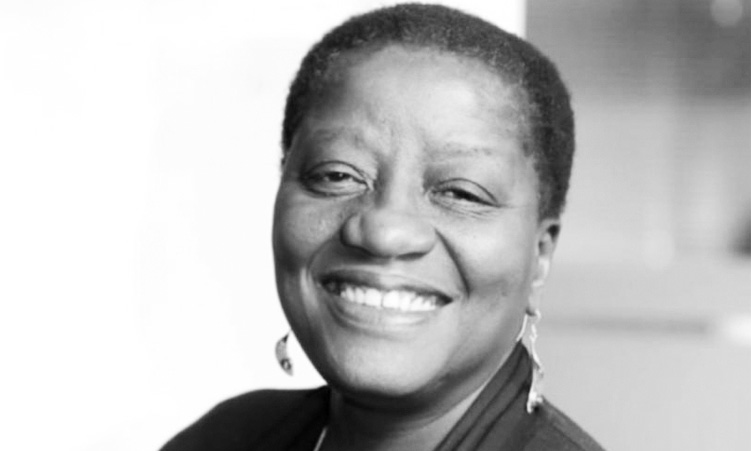
- Bience Gawanas is a Namibian lawyer, diplomat, and social justice advocate, and currently serves as the Chancellor of the University of Warwick. She is the first Namibian and African to hold this position at the United Kingdom institution. She took part in the liberation struggle and spent 12 years in exile in Angola.
In an age of information overload, Sunrise is The Namibian’s morning briefing, delivered at 6h00 from Monday to Friday. It offers a curated rundown of the most important stories from the past 24 hours – occasionally with a light, witty touch. It’s an essential way to stay informed. Subscribe and join our newsletter community.

The Namibian uses AI tools to assist with improved quality, accuracy and efficiency, while maintaining editorial oversight and journalistic integrity.
Stay informed with The Namibian – your source for credible journalism. Get in-depth reporting and opinions for
only N$85 a month. Invest in journalism, invest in democracy –
Subscribe Now!