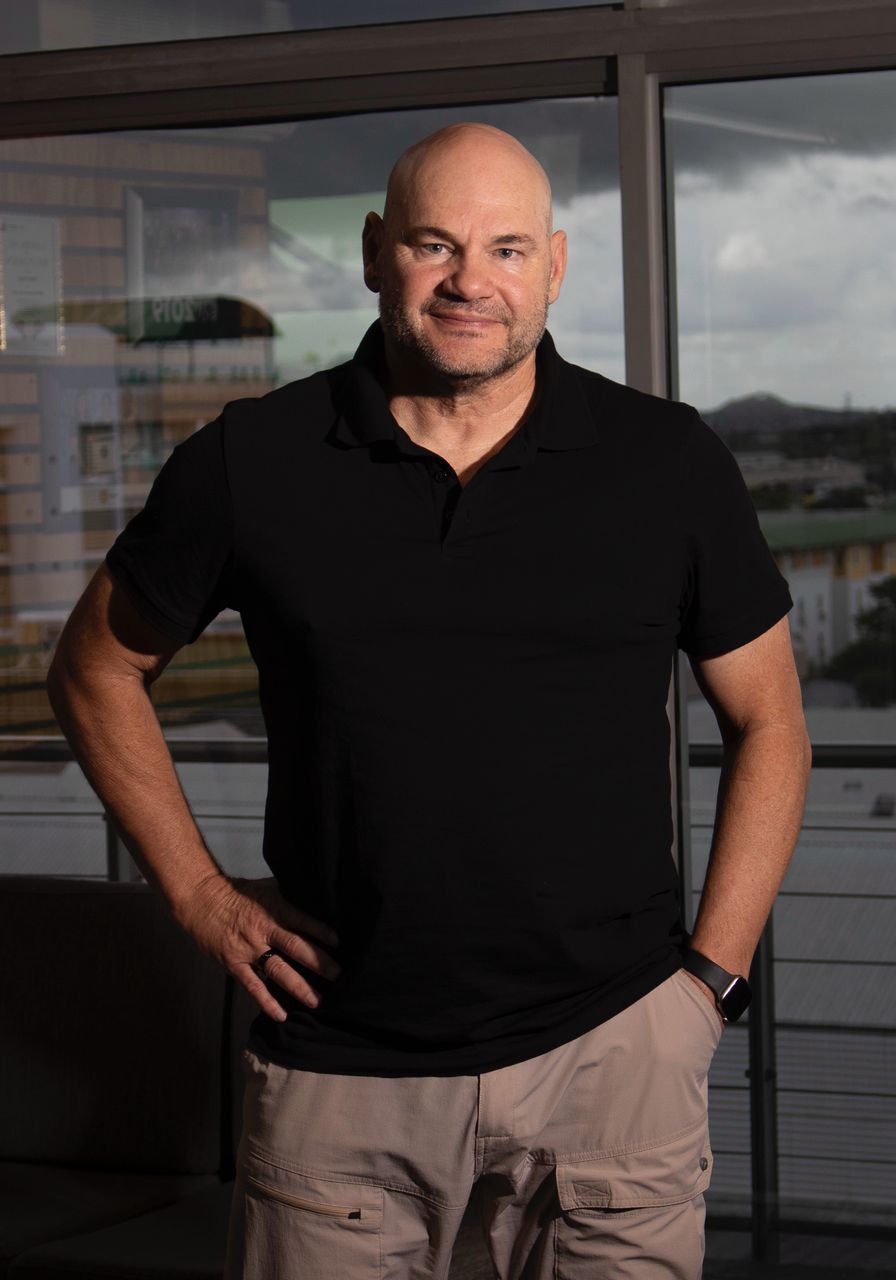




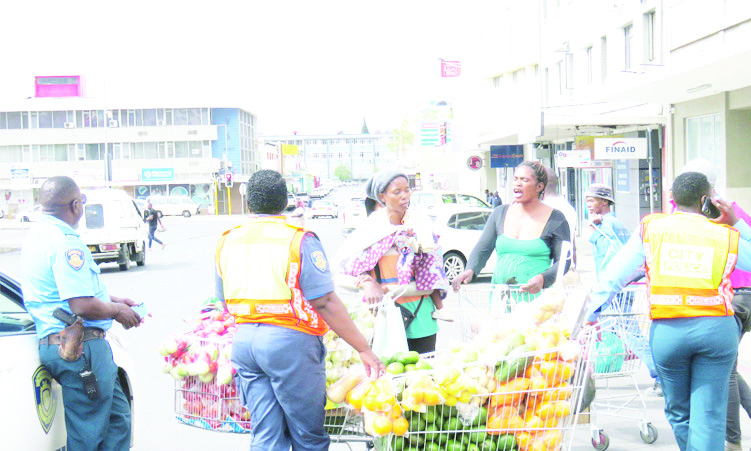
Swapo member of parliament Agnes Kafula is pushing a motion that will see street vendors, who have in the past been playing cat-and-mouse games with the police, be given access to social protection and social security.
She says this will reduce cases of alleged harassment by the police, as well as the criminalisation of informal traders while working spaces are limited.
This comes after the National Assembly last week adopted one of the very first reports submitted by the parliamentary standing committee on economic and public administration.
The report is on the motion titled: ‘In view of helping informal traders that the National Assembly discuss social protection of informal traders’. Kafula tabled the motion in 2023.
The motion calls for the implementation of the International Labour Organisation’s Recommendation (R204) with regards to the transition from the informal to formal economy as adopted in Geneva on 12 June 2015.
It also calls for the examination of the conditions of street vendors, domestic workers, wood crafters, men on the side of the roads and cattle herders.
Speaking to The Namibian yesterday, Kafula said having served as a councillor previously, she saw how informal traders were struggling with adequate trading spaces and the harassment they endured from the police.
“Having travelled the African continent and seeing the set-up of informal traders’ infrastructure, then coming back home, I thought to myself that we need fair market trading to accommodate the informal traders,” she said.
The motion also seeks to address the cost and lack of accommodation for informal sector business activities, and to establish social insurance programmes for the informal sector.
Kafula said although she is happy the motion is now with parliament, she is disappointed with how the motion was handled when she first tabled it in 2019.
“They just need something reasonable where they can operate, and are provided with ablution facilities and water, and if there is a fee to be paid, then an agreement can be reached,” she said.
Kafula said municipalities across the country should do something to accommodate the traders.
The committee recommends that the police, in collaboration with government entities such as the Social Security Commission, avoid any form of harassment and criminalisation of informal traders and entrepreneurs.
City of Windhoek communication manager Harold Akwenye says some of the challenges include the limited designated trading spaces, adding that the demand for trading spaces far exceeds the available designated areas, making it difficult to accommodate all vendors.
However, Akwenye says various markets have available spaces and vendors should consider approaching the City of Windhoek to apply for available spaces.
He says establishing and maintaining well-equipped markets requires significant investment in infrastructure, including sanitation, water and waste management services.
He further highlights that collaboration with various stakeholders, including vendors, business associations and government agencies, is essential to developing sustainable solutions.
“The City of Windhoek remains committed to finding solutions through ongoing engagements with stakeholders to identify suitable trading areas and improve market infrastructure.
We welcome constructive dialogue on this matter and appreciate the national discussion surrounding informal trading,” he says.
Walvis Bay Business Chamber chairperson Johnny Doeseb yesterday told The Namibian the prerogative is on the government to ensure there are dedicated areas demarcated for informal traders, citing that about 67% of traders in the country are informal.
“As an industry, we must encourage skills development and support those below the economic line and turn the informal sector into a formal one. Imagine if we can turn the 67% into formal.
The domestic economy will be so strong to a point where job creation will no longer be an issue,” he said.
Doeseb said informal traders are the backbone of the economy and without them the economy would suffer.
He welcomed the adoption of the report in parliament, citing that parliament will discuss the recommendations in the report and implement them.
In an age of information overload, Sunrise is The Namibian’s morning briefing, delivered at 6h00 from Monday to Friday. It offers a curated rundown of the most important stories from the past 24 hours – occasionally with a light, witty touch. It’s an essential way to stay informed. Subscribe and join our newsletter community.

The Namibian uses AI tools to assist with improved quality, accuracy and efficiency, while maintaining editorial oversight and journalistic integrity.
Stay informed with The Namibian – your source for credible journalism. Get in-depth reporting and opinions for
only N$85 a month. Invest in journalism, invest in democracy –
Subscribe Now!