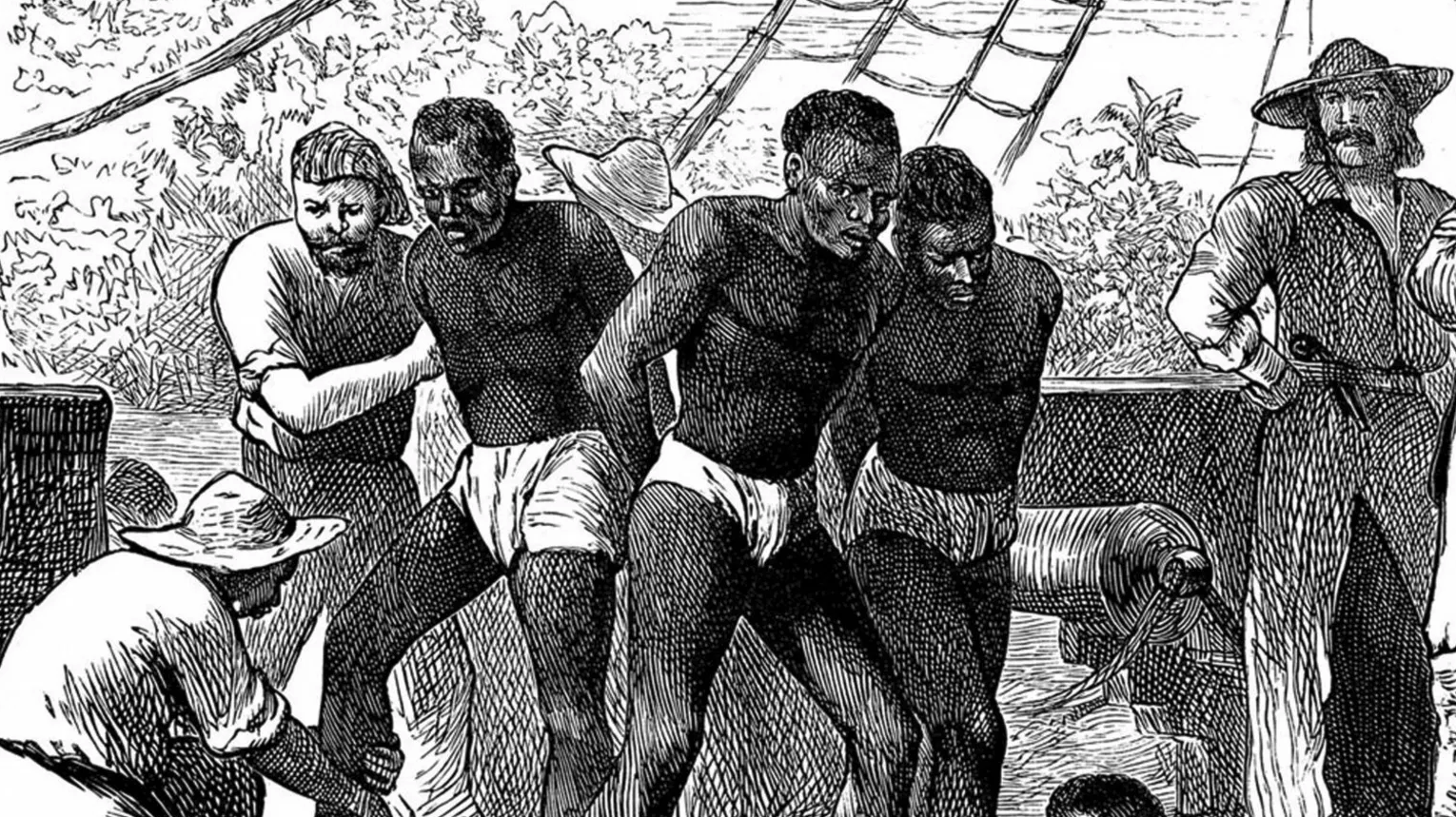





Members of the Ovaherero community say they will not recognise the government’s Genocide Remembrance Day on 28 May, and will instead continue commemorating the day on 2 October.
This is the day general Lothar von Trotha’s extermination order was issued against their people, they say.
The stance was reinforced during the 121st commemoration of the order issued in 1904, which led to the massacre of tens of thousands of Ovaherero people.
At a gathering held in Windhoek yesterday, Ovaherero descendant Cornelius Stanley said the historical weight of 2 October cannot be substituted.
“On 2 October, the emperor declared that if you see a Herero, an old man, an old woman, a child – kill. Whoever you see, just kill. So much so that 80% of the Ovaherero people were killed,” he said.
“Many of our people died in the bush from hunger and thirst. Many fled to Botswana and even to South Africa. So I think this day, 2 October, cannot be overemphasised. How is it possible that we can accept May? That day does not carry the same meaning. For us, this remains the true remembrance day.”
Von Trotha’s infamous extermination order was issued during the height of the Herero and German war.
Historians record that the order explicitly stated that all Herero found within German colonial borders, “with or without a gun, with or without cattle”, should be shot on sight.
The massacre is widely recognised as one of the first genocides of the 20th century, with an estimated 80 000 Herero and 20 000 Nama perishing through executions, forced labour, starvation, and thirst.
‘THIS IS OUR DAY’
Ovaherero Traditional Authority deputy secretary general Apii Katjiruru yesterday reiterated the community’s rejection of the date the government has set.
“Today is actually the main day when German troops under Von Trotha ordered our people to be wiped out of Namibia. It was on 2 October 1904.
“The government decided that some day in May is genocide day, but as Ovaherero people, we have been commemorating this day for the past 121 years. This is our day, and we will stick to it – whether the government makes it a public holiday or not,” he said.
Katjiruru said while the Nama community also suffered a genocide under German rule, their extermination order was issued on a different date, which they mark separately.
As part of yesterday’s activities, paramount chief Mutjinde Katjiua led the delivery of a petition to the German Evangelical Lutheran Church in Namibia, represented by bishop Frank Schuette.
The petition accused the church of silence in the face of its historical complicity and added that many of its assets rest on land expropriated from Herero and Nama communities through colonial decree.
“We ask: How long will your church ignore its role in the genocides committed by Germany against the Herero and Nama, and when will it seek meaningful engagement and reconciliation with our communities?” the petition reads.
Katjiua reminded the church that the Christuskirche in Windhoek, a national landmark, was built with forced labour from concentration camps, and its walls immortalise officers of the Schutztruppe.
The government in May held its first official national Genocide Remembrance Day.
28 May was chosen to mark the closure of German concentration camps in 1908. Officials argued that the day was symbolic of the end of the systematic atrocities.
However, many Ovaherero and Nama leaders have criticised the choice, saying it disregards the extermination order that directly led to the near-annihilation of their people. They argue that May is a historical footnote compared to the October order that unleashed the genocide.
Petitions were also delivered to the German embassy and the speaker of parliament to demand genocide reparations.
The Namibian yesterday reached out to Germany embassy officials, who declined to comment and ordered that the petition be read to them in the absence of the media.
In an age of information overload, Sunrise is The Namibian’s morning briefing, delivered at 6h00 from Monday to Friday. It offers a curated rundown of the most important stories from the past 24 hours – occasionally with a light, witty touch. It’s an essential way to stay informed. Subscribe and join our newsletter community.

The Namibian uses AI tools to assist with improved quality, accuracy and efficiency, while maintaining editorial oversight and journalistic integrity.
Stay informed with The Namibian – your source for credible journalism. Get in-depth reporting and opinions for
only N$85 a month. Invest in journalism, invest in democracy –
Subscribe Now!