AN 18-YEAR-OLD pupil from Khorab Secondary School at Otavi has received an electron magnifier from Oculus Low Vision centre as part of their social responsibility.
Max Puleinge, who has been living with a chronic eye infection since the age of three, has seen his vision deteriorating to less than 10% over the years.
With glasses, Puleinge’s vision only improved to 16%, said Michelle Opperman, the low vision support at the centre, but with the device, he has 100% vision.
She also told The Namibian that the device Puleinge received, the Visolux Digital HD, is versatile enough should his sight deteriorate further.
According to Opperman, the device, which acts as a magnifier, has different contrast settings to make reading easier. For Puleinge, the white on black setting is most effective.
Richardt Ucham, the managing partner at Kenmacri, sponsored the necessary funds for the device to be purchased.
The device can also take pictures, should Puleinge need to take note of what a teacher wrote on the board in class.
Puleinge, who is currently in Grade 11, says he has failed a grade in the past due to his low vision.
“I’ll be happy to read, at least. I’ll also be able to keep up with everyone else,” he said, adding that he lost interest in reading due to the difficulties he experienced.
He is currently on his school’s learner’s representative council acting as the public relations officer, but he said one day he wants to be a doctor, specifically a surgeon, as his favourite subjects in school are biology and chemistry.
Puleinge said the first thing he will be reading with his new device is “schoolbooks, because the exams are going to be tough”.
His mother, Asnat Puleinge, said she was surprised over the device her son received.
“I’m so surprised, I’m so happy. I don’t have many words to say,” said Asnat.
The device Puleinge received, which was imported from Germany, costs around N$20 000 and he is only the second person in the country to receive one.
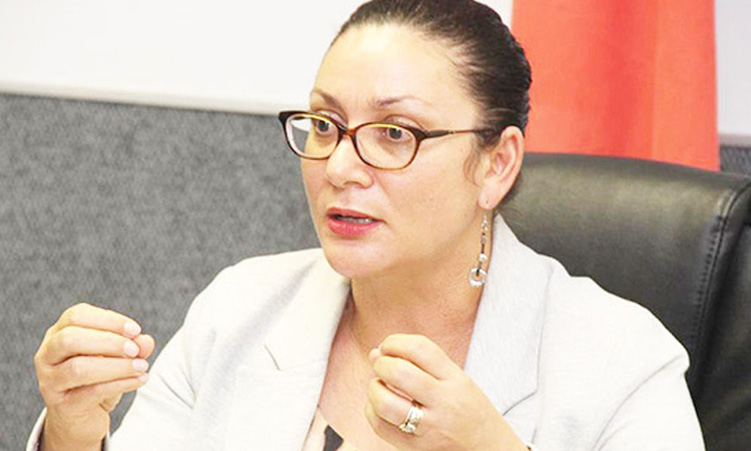
For Puleinge to see without the device, he will need a corneal transplant, something which cannot be done in Namibia, according to health and social services deputy minister Juliet Kavetuna.
Kavetuna added that while Namibia is working on a human tissue bill, patients will have to go to South Africa for such a transplant, in addition to having extensive testing done.
“Even in South Africa, you will have to wait a very long time. There is a backlog of about 40 000 people,” said Kavetuna.
She also told that the Oculus Low Vision centre is the only centre of its kind in the country. They are currently also working towards testing Namibian Paralympic athletes with visual impairments and grading them according to international standards.
She added that in the past athletes have not been graded properly, leading them to fall out at an international level, causing frustration for the athletes.
In an age of information overload, Sunrise is The Namibian’s morning briefing, delivered at 6h00 from Monday to Friday. It offers a curated rundown of the most important stories from the past 24 hours – occasionally with a light, witty touch. It’s an essential way to stay informed. Subscribe and join our newsletter community.

The Namibian uses AI tools to assist with improved quality, accuracy and efficiency, while maintaining editorial oversight and journalistic integrity.
Stay informed with The Namibian – your source for credible journalism. Get in-depth reporting and opinions for
only N$85 a month. Invest in journalism, invest in democracy –
Subscribe Now!