





Gaborone, Botswana, 18 November 2025
___________________________________________________________
Germany is a great supporter of regional integration, both in Europe and abroad, based on our own positive experience as a member of the European Union. Yet, even in Germany, citizens sometimes ask: what has the European Union ever done for us?
Communicating the successes of regional integration to citizens, and sometimes even to member states, can be challenging. Despite the tangible benefits of initiatives such as the free movement of people, citizens often lack understanding of how regional integration affects their private lives. Regional policies are complex, and misinformation can overshadow positive narratives.
Addressing these challenges requires tailored communication strategies that highlight localised benefits, engage diverse communities, and use innovative platforms to make regional achievements more relatable and accessible. Likewise, Southern African Development Community (SADC) citizens and sometimes even member states may ask: what has SADC ever done for us? As someone working on supporting SADC policies, I can assure you that the answer is: a lot.
Effective communication and visibility are essential for regional organisations to achieve their objectives and foster integration. By clearly articulating their goals, policies, and achievements, regional organisations can build trust, enhance transparency, and engage citizens, stakeholders, and international partners. Communication serves as a bridge between institutional frameworks and the lived realities of the people they aim to serve.
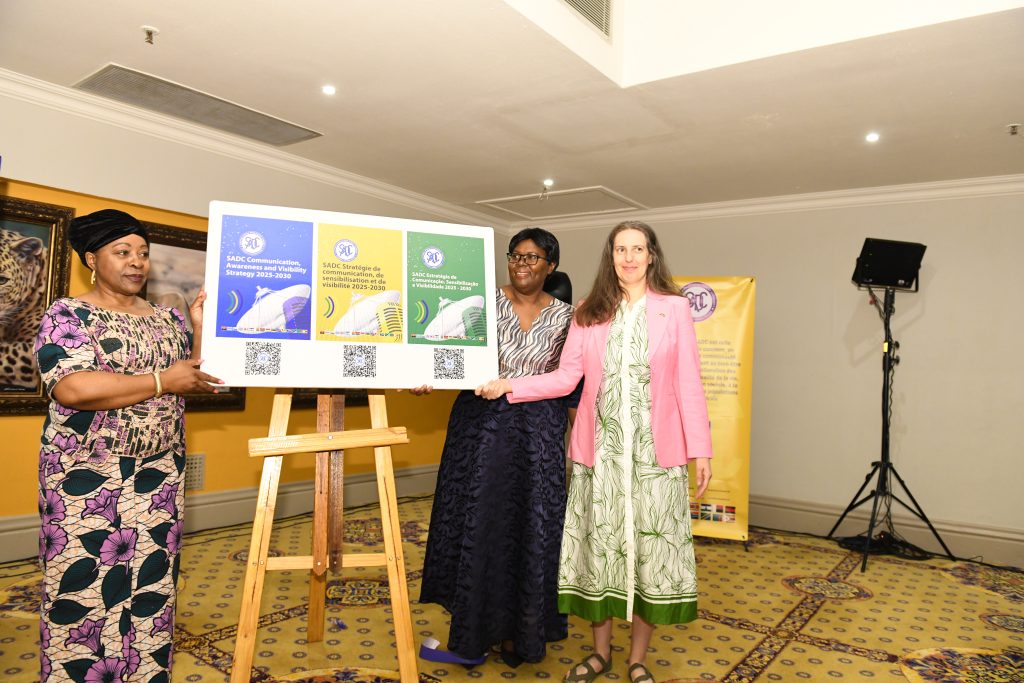
In a globalised world where narratives shape perceptions, strategic communication is vital to counter misinformation, promote inclusivity, and strengthen solidarity within and beyond the region. With the launch of the SADC Communication, Awareness and Visibility Strategy 2025-2030 today, SADC aims to address these complex challenges.
This strategy is not only about disseminating information. It is about building connections between institutions, member states, citizens, and stakeholders to strengthen regional solidarity and shared identity. It is also about improving coordination between regional and national communication systems to make messaging more consistent, impactful, and citizen-centred across the SADC region.
The German government is humbled to have supported the development of this strategy through SADC-German cooperation at the request of the SADC Secretariat. Our joint project, Strengthening National-Regional Linkages, has contributed to raising awareness on SADC-related topics through a range of interventions, including training over 500 journalists and media stakeholders; improving public knowledge and awareness of SADC-related topics; supporting the development and publication of SADC success stories; supporting SADC public lectures held alongside SADC summits; contributing to the production of policy briefs and fact sheets; strengthening institutional communication capacity within the SADC Secretariat and member states; and enhancing storytelling and impact reporting across the region to highlight the tangible benefits of regional integration.
I wish to express my gratitude to the SADC deputy executive secretary for regional integration, Angèle Makombo N’tumba, for championing communication as a cornerstone of SADC’s regional integration agenda. Your leadership has been instrumental in driving this process forward.
I also wish to thank all SADC member states and stakeholders who contributed to the consultative process that produced this communication strategy. Your high level of engagement demonstrates a strong sense of ownership and a shared recognition that communication is essential to advancing SADC’s mission and vision.
We should also acknowledge the strong participation of national and regional media institutions, as well as representatives from the Southern Africa Youth Forum. Your role is indispensable. The media, as a trusted source of information, plays a central part in shaping the narrative of regional integration. Youth voices are equally vital, not only as beneficiaries of regional initiatives, but as key drivers of SADC’s future.
Congratulations to all of you on the launch of this new Communication, Awareness and Visibility Strategy. Its implementation will require sustained commitment to collaboration, coordination, and regional integration. The German government remains a committed and reliable partner throughout this process.
As a strong supporter of regional integration, I look forward to witnessing the implementation of this strategy. As someone familiar with the challenge of communicating the successes of regional integration to citizens, I also look forward to learning from your experiences. So that next time a SADC citizen asks, “What has SADC ever done for us?”, her neighbour will be able to give an informed answer.
Thank you. Merci beaucoup. Asante sana. Ke a leboga. Danke.