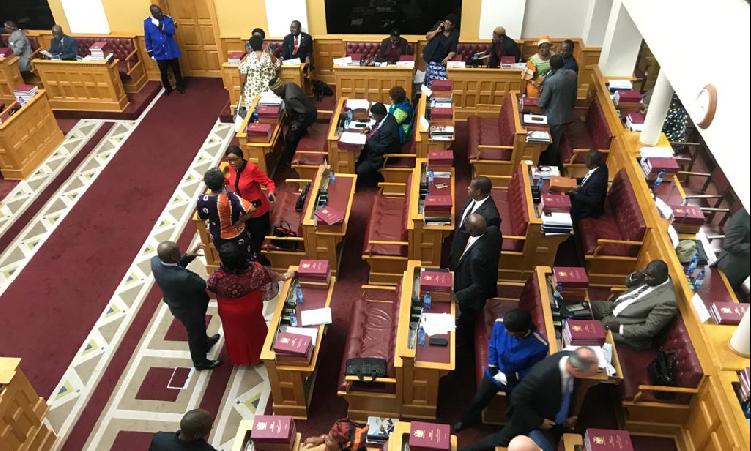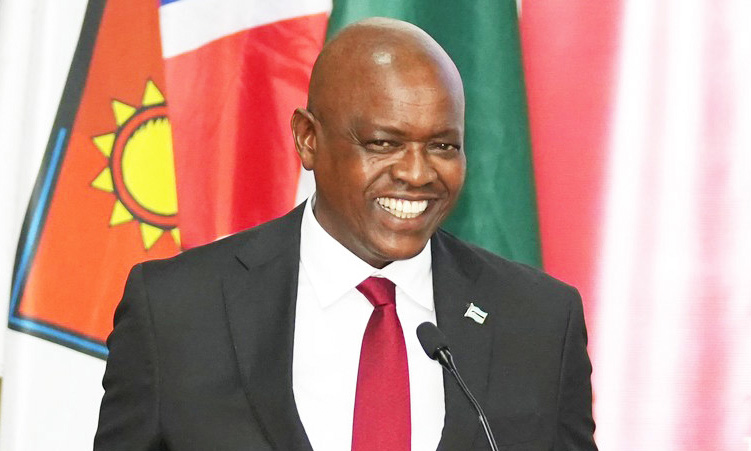




Opposition parties are united in opposing a bill that proposes shifting oil and gas regulatory powers from the Ministry of Industries, Mining and Energy to the Presidency.
The parties argue this could lead to political interference and corruption.
Passing the bill would require all Swapo members of parliament to attend the voting process.
Swapo has 51 members in the parliament out of 96 seats with voting rights. A total of 50% plus one of the voting members in the National Assembly would be needed to pass the much-debated bill.
Affirmative Repositioning (AR) chief whip Vaino Hangula yesterday said the party opposes the bill in its current form because it shifts control from the minister to the Presidency under a new structure that can be influenced in both policy and the issuing of licences.
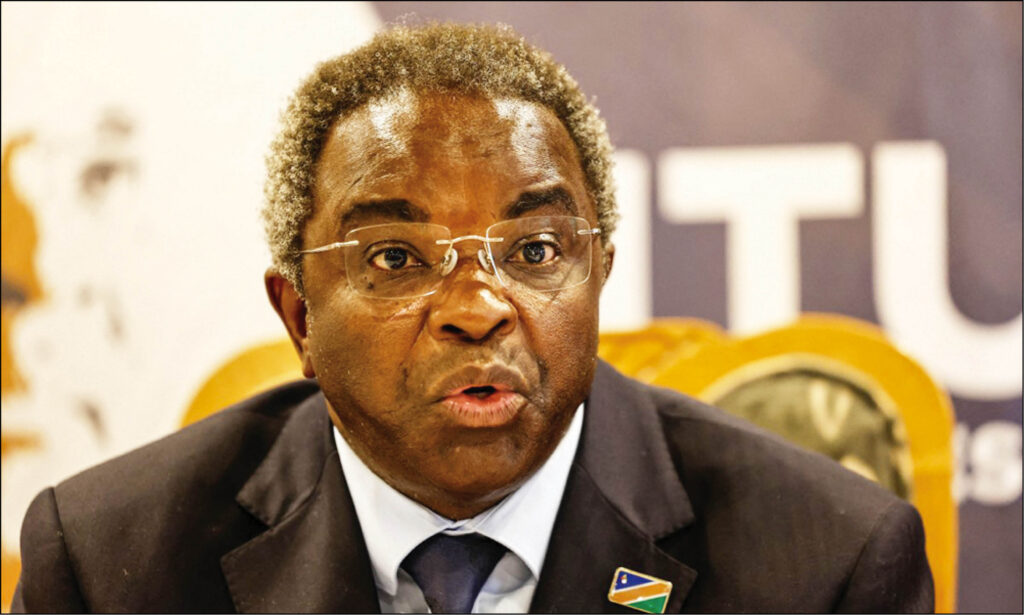
“A concentration of power in an entity that does not answer directly to the parliament makes it harder for the public to see how decisions are made and who benefits – especially when appointments and instructions come from the same centre of power,” he said.
Hangula said the AR has not received any invitation to engage on the issue from other opposition parties, but prime minister Elijah Ngurare has proposed a consultative workshop to be held outside the august House.
“As far as we are concerned, this is the opportune platform to simplify the debate on the bill and, if successful, this would accelerate the passing of the bill, subject to proper scrutiny,” he said.
National Unity Democratic Organisation member of parliament Vetaruhe Kandorozu has objected to the bill, saying it could lead to the industry being tainted by greed, as the president’s leadership could be seen as a potential conflict of interest.
“It would create lots of uncertainty for investors; and it could discourage investors seeking transparent regulatory frameworks and clear legal protections.

“While the move aims to maximise benefits for Namibians and align with the country’s economic priorities, it also poses risks and uncertainties that need to be carefully considered,” Kandorozu said.
He said the oil and gas sector has faced criticism over corruption and a lack of financial transparency, particularly in resource-rich developing countries.
Ethical companies must disclose their financial dealings and ensure revenues benefit local communities, he said.
Kandorozu said the National Petroleum Corporation of Namibia corruption case which is currently in court serves as an example.
The petroleum amendment bill has sparked debate in the National Assembly after it was tabled by minister of industries, mines and energy Modestus Amutse last Tuesday.
He defended the bill as strategically important in governing Namibia’s petroleum resources.

Swapo chief whip Alpheus !Naruseb said the bill was tabled by a Swapo member, adding that the opposition parties’ objection to the bill is within their right and he cannot respond to that.
“Let me ask: If a Swapo member tables a bill, how can another Swapo member object? It does not make sense,” he says.
Popular Democratic Movement (PDM) president McHenry Venaani yesterday said it is concerning when legislature is used to suit individuals rather than the country. “We must be very careful. When you are modernising society, go with the people, do not modernise to suit one individual. President Netumbo Nandi-Ndaitwah is an individual just like Venaani. She will not be there forever. We cannot legislate to suit the vision she wants,” he said.
Venaani said experts may advise on how best to run the oil sector, but they cannot tell parliamentarians how to legislate in the interest of the people, since that is the responsibility of the legislature.

“Oil can be a benefit or a curse. We’ve seen what it has done to other countries. We cannot allow such a bill. We need to come together and see how we can find each other halfway,” he said.
Independent Patriots for Change (IPC) president Panduleni Itula on Tuesday objected to the bill, saying it undermines parliamentary authority.
IPC parliamentarian Elvis Lizazi during his contribution yesterday called for enabling the ministry instead of moving the sector to fall under the Office of the President.
Landless People’s Movement (LPM) parliamentarian Eneas Emvula yesterday said the party also rejects the bill in its current form.
“We find the proposed insertion of a ‘grandfathering clause’ the most dangerous provision in the amendment bill.”
He said the LPM does not agree with amending the law to allow a sitting president to take charge of natural resources under the guise of the move being strategic.
In an age of information overload, Sunrise is The Namibian’s morning briefing, delivered at 6h00 from Monday to Friday. It offers a curated rundown of the most important stories from the past 24 hours – occasionally with a light, witty touch. It’s an essential way to stay informed. Subscribe and join our newsletter community.

The Namibian uses AI tools to assist with improved quality, accuracy and efficiency, while maintaining editorial oversight and journalistic integrity.
Stay informed with The Namibian – your source for credible journalism. Get in-depth reporting and opinions for
only N$85 a month. Invest in journalism, invest in democracy –
Subscribe Now!