



Social media personalities are increasingly approached by brands, agencies, and organisations promising lucrative partnerships, and their roles have grown far beyond curated feeds and aesthetic product placements.
They are now gatekeepers of information, amplifying brands and campaigns to thousands, sometimes millions of people who trust their judgement. But what happens when the client isn’t who they claim to be?
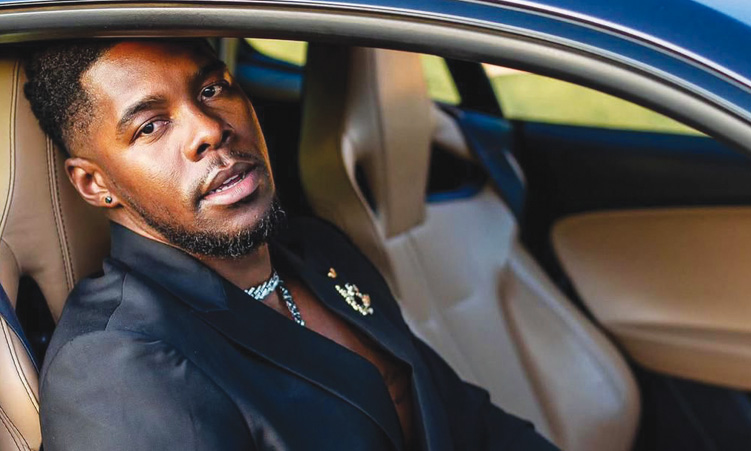
Recently, Namibian creative entrepreneur Luis Munana revealed that he, too, was approached by the controversial Russian jobs start programme, which has already seen several South African influencers lose their credibility and their social media accounts for allegedly promoting human trafficking.
Munana quoted them over N$70 000 for several Instagram and TikTok posts to encourage Namibian women aged 18-22 to join the “international employment initiative” in The Republic of Tartastan in western Russia. He was on the verge of posting his first video before subsequently pulling out.
Munana, who has a major following, says he realised it wasn’t a good idea when he started researching the brand.
“Their social media page was very stale. It didn’t say much. It looked like they were using stock footage, and I thought if this was an agency that has been doing this for a long time, surely they would have a stronger digital footprint,” he says, adding that the “start programme” also had no official website and no testimonies of young ladies that had gone through it. For him this was a major red flag, he says.
Despite receiving his deposit, Munana did not follow through with the campaign, bolstered by the unfolding scandal involving South African influencers.
When they shared the programmne on their pages, many followers were quick to point out the strange nature of advertising work opportunities through social media influencers, and not as a bilateral governmental initiative.
There’s also the question of why young women just over the legal working age are targets, which led to old investigations being dug up, revealing that many past recruits were coerced into working in factories under exploitative conditions, including assembling drones for Russia’s military operations in Ukraine.
The South African government responded by issuing warnings to young women about such unverified overseas job offers, urging them to be vigilant. In the aftermath, TikTok permanently banned several high-profile South African influencers, including Honour ‘Cyan Boujee’ Zuma, and Sima ‘Seemah’ Mangolwane for “violating platform policies related to promoting exploitative schemes.”
This incident has sparked a broader conversation about the responsibility of influencers in promoting ethical and legitimate opportunities, highlighting the need for due diligence in the digital age.
Munana, who was also on the verge of finding himself in some seriously hot water, concurs.
“We have a huge responsibility because we have a following, a voice, credibility, engagement and notoriety. That means the onus is on you to ensure that whatever you post is safe,” he says, adding that influencers should treat themselves like traditional media channels with a responsibility to share information that is factual, that is not obscene, that is careful and that is in the best interest of every citizen.
He adds, however, that consumers should also have a stake in their own well-being. He encourages people to always do their own research and practice due diligence.
“On social media not everything that glitters is gold,” he concludes.
– Anne Hambuda is a poet, writer, and social commentator. Follow her online or email her at annehambuda@gmail.com for more.
In an age of information overload, Sunrise is The Namibian’s morning briefing, delivered at 6h00 from Monday to Friday. It offers a curated rundown of the most important stories from the past 24 hours – occasionally with a light, witty touch. It’s an essential way to stay informed. Subscribe and join our newsletter community.

The Namibian uses AI tools to assist with improved quality, accuracy and efficiency, while maintaining editorial oversight and journalistic integrity.
Stay informed with The Namibian – your source for credible journalism. Get in-depth reporting and opinions for
only N$85 a month. Invest in journalism, invest in democracy –
Subscribe Now!