



The northern power utility loses about N$28 million annually by undercharging irrigation farmers.
This is prompting stakeholders to push for tariff reform, energy efficiency, and modernised irrigation infrastructure.
The Northern Regional Electricity Distributor (Nored) currently does not charge green scheme irrigation farmers the full 70% fee for their maximum required electricity, a rule that has been ignored since 2014 to keep bills manageable.
This was revealed at a national stakeholders’ workshop, spearheaded by the Electricity Control Board (ECB), policymakers, regulators, utilities and farmers in the Kavango East region, on Monday.
The power utility said all green schemes will be shifted from the institutional tariff to the cheaper general demand time-of-use tariff.
Nored said it is ready to support a dedicated agricultural tariff, provided it is implemented across the full electricity supply chain.
The company further revealed it had previously registered 70MW for renewable energy generation with the Ministry of Industries, Mines and Energy.
Nored also signed a 30MW power purchase agreement with independent power producers in 2022, which was cancelled in May and which is still being contested in court.
However, the distributor is preparing a new 40MW tender to reduce energy costs.
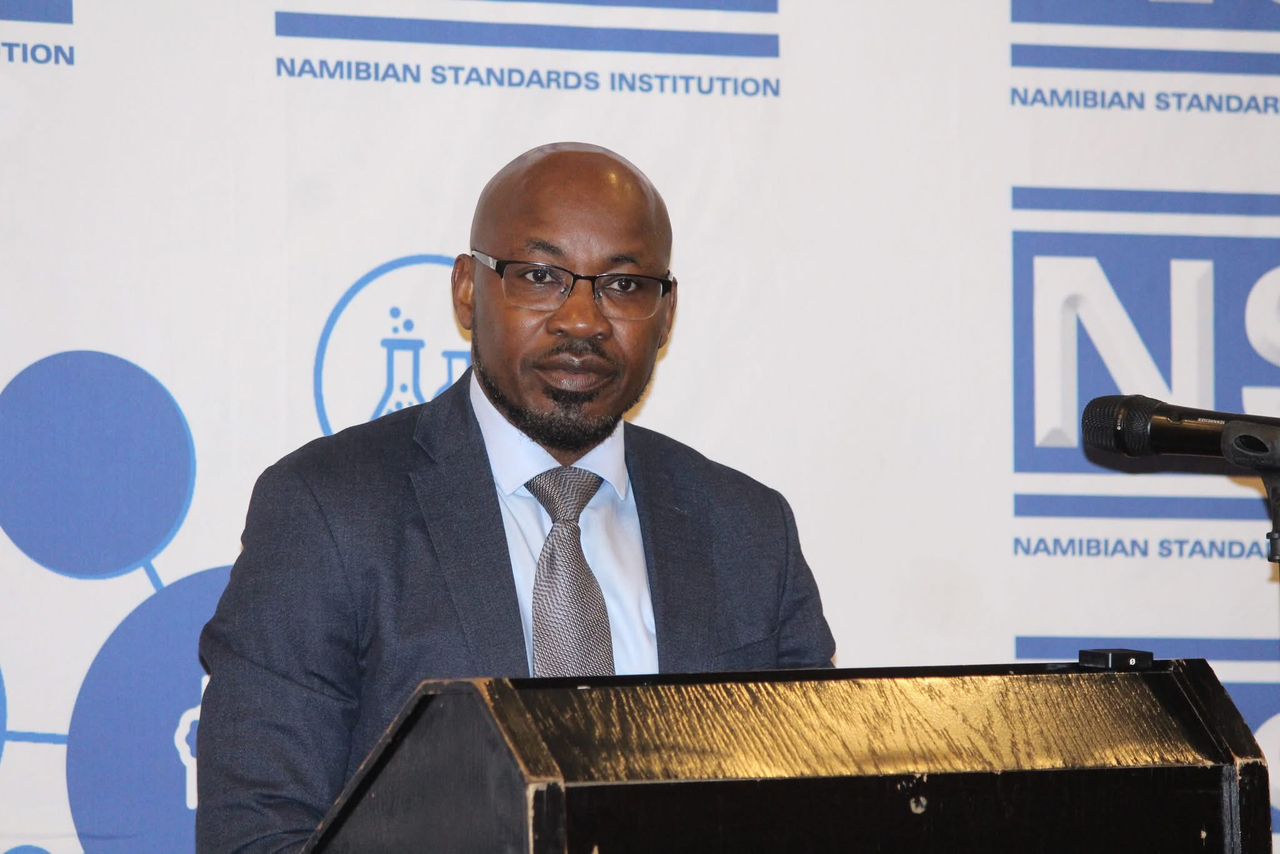
Energy ministry deputy director Abraham Hangula, speaking on behalf of executive director Moses Pakote, at the workshop said tariff reform must not be treated as the only solution.
Hangula said maximum demand charges spike when irrigation pumps start simultaneously during peak hours.
“Improved scheduling, grid-aligned energy use, solar self-generation, gravity-fed irrigation, variable speed drives and modernised motors can significantly reduce costs,” he said.
Hangula warned against permanent dependence on subsidies, noting that public funds should ultimately support grid reliability, investment and infrastructure expansion.
“If decisions are rushed without proper data, we risk wasteful investments Namibia cannot afford.”
He emphasised that food security and affordable, reliable electricity must be harnessed as they are not competing priorities.
Executive director of agriculture, fisheries, water and land reform Ndiyakupi Nghituwamata earlier told the forum that green schemes spend nearly N$1 million per month on electricity, making power the single biggest threat to long-term sustainability.
“Rising energy costs undermine national food security, rural employment and efforts to reduce imports,” Nghituwamata said.
She said the ministry has already invested in energy-efficient equipment, including variable speed drives.
Nghituwamata warned that structural tariff reform, renewable energy integration and public-private partnerships are now unavoidable in keeping national irrigation schemes viable.
ECB chief executive Robert Kahimise reaffirmed the regulator’s commitment to evidence-based solutions that balance affordability, sustainability and investment certainty.
“Access to cost-effective and reliable electricity is essential for the sustainability of green schemes. This workshop provides a platform for collaborative solutions,” he said.
Kahimise outlined the objectives: to assess tariffs, understand the impact on food production, explore energy-saving solutions, and agree on regulatory recommendations that safeguard national interests.
While each institution faced different responsibilities, stakeholders converged on shared solutions, including a special agricultural electricity tariff with seasonal pricing flexibility and reforms to demand-charge penalties.
Stakeholders also staggered pumping schedules to avoid peak spikes, secured financing for solar-battery irrigation and smart metering, and proposed an inter-ministerial task team to track implementation and grid stability.
The workshop also discussed the consensus that Namibian irrigation should be supported through modernised infrastructure, renewable energy, operational efficiency, and tariff reform, rather than a single intervention.
In an age of information overload, Sunrise is The Namibian’s morning briefing, delivered at 6h00 from Monday to Friday. It offers a curated rundown of the most important stories from the past 24 hours – occasionally with a light, witty touch. It’s an essential way to stay informed. Subscribe and join our newsletter community.

The Namibian uses AI tools to assist with improved quality, accuracy and efficiency, while maintaining editorial oversight and journalistic integrity.
Stay informed with The Namibian – your source for credible journalism. Get in-depth reporting and opinions for
only N$85 a month. Invest in journalism, invest in democracy –
Subscribe Now!