


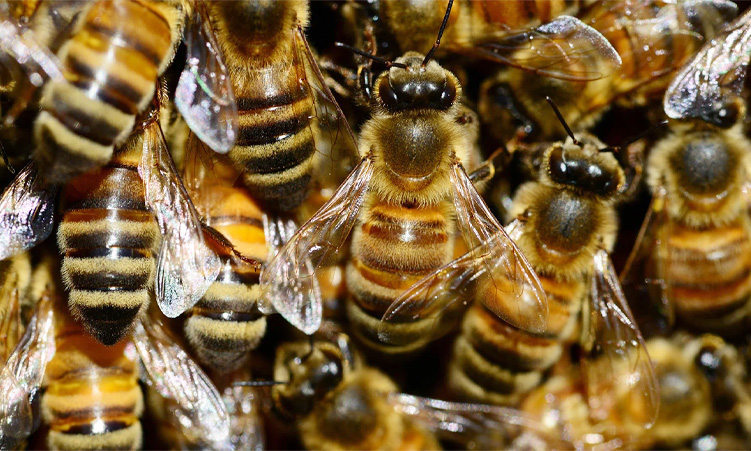
The agriculture ministry has dismissed allegations of possible bee importation from South Africa to boost Namibia’s blueberry harvest.
This follows an article published by the Namibian Chamber of Environment (NCE) on 18 March, saying the government is considering importing bees to aid blueberry pollination at the Mashare Berries Farming 50km east of Rundu, and at Namibia Berries at Divundu in the Kavango East region.
The situation has raised concerns among local beekeepers, who warn it could destroy Namibia’s native beehives.
The Namibian Beekeeping Association has also cautioned against importing bees, citing the country’s lack of the necessary quarantine systems to prevent the spread of diseases.
Ministry of Agriculture, Fisheries, Water and Land Reform spokesperson Romeo Muyunda on Sunday said the last application to import bees from South Africa (SA) was submitted in 2024 and was rejected.
This was due to SA’s inability to provide sufficient assurances regarding the health status of the bees.
Muyunda said the applicant pursued alternative options and successfully applied to import bumblebees from Israel.
“There is currently no active application to import honey bees from South Africa, nor is there any consideration [being given] for such a transaction,” he said.
Muyunda said the ministry is committed to protecting its agricultural sector and biodiversity by ensuring all imports comply with strict veterinary and biosecurity regulations.
The article, however, raised concerns about how well blueberry farms are doing and whether Namibia’s native bees are capable of pollination.
Mashare Berries Farminng chief executive Nico Visser says local berry farms are doing well, but pollination influences the yield per plant.
Currently, farms rely on bees sourced from local bee farmers, alongside imported bumblebees, he says.
“We normally import bumblebees from Israel, but with the current situation, it is impossible. Our agent is now trying to import from South America,” Visser says.
He is not aware of the government importing bees for its farms, as he says his farm was not consulted.
Namibia Berries environmental, social and governance director Michèle James says although available hive supplies are less than what farmers require, their farm does not import bees from South Africa.
She says Namibia has limited capacity for local pollination relative to the requirements of commercial-scale production.
“South African honeybee exports cannot currently meet Namibian import permit requirements. Available beehives cost much more locally than in countries like South Africa and Zimbabwe,” she says.
This constraint is a recognised limitation to the development of the sector, she says.
“As a result, regulated and permitted pollination solutions are required to ensure crop viability, while local capacity is developed over time.”
James says without viable pollination, production cannot be sustained, risking employment creation in the Kavango regions, where youth unemployment is widely understood to exceed 50%.
Meanwhile, NCE chief executive Chris Brown says importing honeybees from South Africa carries a high risk to the survival of local honeybees, and of affecting agricultural production.
He says most of the country’s vegetation, from herbs to large trees, are pollinated by insects, with bees playing a major role.
“The reproduction of wild plants would be seriously impacted. Honeybees are not particularly good pollinators of blueberries,” he notes.
In an age of information overload, Sunrise is The Namibian’s morning briefing, delivered at 6h00 from Monday to Friday. It offers a curated rundown of the most important stories from the past 24 hours – occasionally with a light, witty touch. It’s an essential way to stay informed. Subscribe and join our newsletter community.

The Namibian uses AI tools to assist with improved quality, accuracy and efficiency, while maintaining editorial oversight and journalistic integrity.
Stay informed with The Namibian – your source for credible journalism. Get in-depth reporting and opinions for
only N$85 a month. Invest in journalism, invest in democracy –
Subscribe Now!