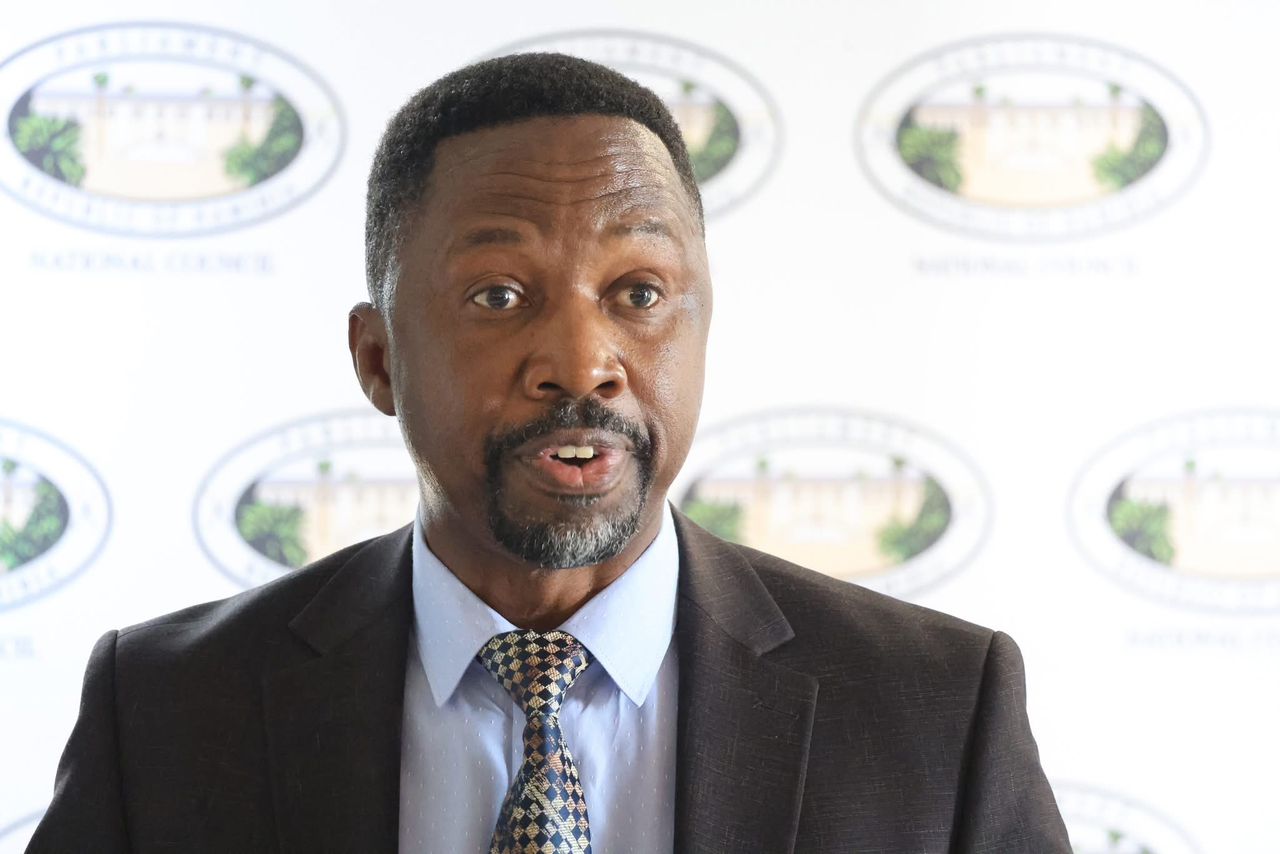




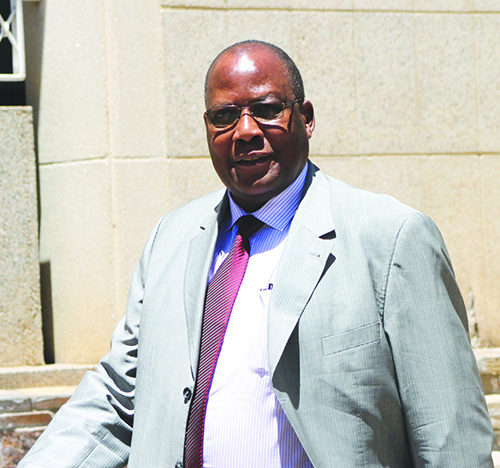
THE Minister of Works and Transport, Erkki Nghimtina, testified in the Windhoek High Court yesterday that an article published in a weekly newspaper three years ago hurt him to such an extent that he is still experiencing sleepless nights over it.
“I want my name to be cleared. That’s all that I want. Money is not important to me,” Nghimtina told Acting Judge Collins Parker while testifying in a defamation case in which he is claiming N$500 000 from the owner and former printer of the weekly publication Informanté, and from the newspaper’s former editor, Max Hamata.
Nghimtina told the judge he was deeply hurt by an article that was published in the 22 to 28 July 2010 edition of Informanté.
In his view, the article contained untrue allegations about him, and portrayed him as being a dishonest Cabinet member. He continues to have trouble sleeping at night as a result of that article, he said.
What he wants, is an apology from Informanté and an admission from it that its article was not correct, Nghimtina said.
In the article, published under the headline “Nghimtina hijacks rural power plan to pamper in-law”, it was claimed that Nghimtina had abused his former position as minister of mines and energy to have electricity supplied to the house of his mother-in-law in the Omusati Region, while nearby residents, schools and businesses were still left off the power grid.
The allegations in the article were simply not true, Nghimtina testified.
In his claim against the three defendants Nghimtina is claiming that the article was defamatory and was intended to be understood that he was dishonest, that he had abused his position as minister of mines and energy, and that he had neglected his duties to the public, schools and businesses.
The defendants are denying that the article was defamatory.
In a plea filed with the court their lawyers have stated that the contents of the article were true and the publication of it was in the public interest. They have also pleaded that the article constituted fair comment, of which the publication was in the public interest.
Hamata also testified yesterday. He told the judge that several efforts were made to contact Nghimtina, who is an uncle of his, to get comment from him before the article was published. However, Nghimtina did not respond to voice messages that were left on his cellphone or to a text message that had been sent to his cellphone, Hamata said.
Nghimtina denied having received any of those messages.
Hamata said he believed at the time the article was written and published that the facts in it were correct. He did not wait longer to see if further efforts to get comment from Nghimtina would bear fruit because he was satisfied that sufficient efforts had been made to verify the allegations made in the story.
“We published the story after the minister denied himself the opportunity to respond,” Hamata stated.
Nghimtina’s lawyer, Chris Brandt, responded to that statement by accusing Hamata of not having made proper efforts to get comment from Nghimtina.
“I want an apology because somebody hurt me,” Nghimtina said during his testimony.
He said he never gave any instructions to have his mother-in-law’s house included in the Ministry of Mines and Energy’s rural electrification programme.
The ministry actually embarked on that programme long before he became the minister of mines and energy, and his mother-in-law’s house was connected to the electricity grid after he was no longer in charge of that ministry, he said.
A media statement released by the permanent secretary of the Ministry of Mines and Energy in August 2010 has also been provided to Acting Judge Parker as evidence in the case. In that statement it was said that Nghimtina’s mother-in-law was entitled to have her home connected to the power grid because she lived only about 150 metres from a transformer that had been set up to provide electricity to a number of cuca shops close to her homestead.
Acting Judge Parker is due to hear oral arguments on Nghimtina’s claim from Brandt and the defendants’ lawyer, Phillip Barnard, today.
In an age of information overload, Sunrise is The Namibian’s morning briefing, delivered at 6h00 from Monday to Friday. It offers a curated rundown of the most important stories from the past 24 hours – occasionally with a light, witty touch. It’s an essential way to stay informed. Subscribe and join our newsletter community.

The Namibian uses AI tools to assist with improved quality, accuracy and efficiency, while maintaining editorial oversight and journalistic integrity.
Stay informed with The Namibian – your source for credible journalism. Get in-depth reporting and opinions for
only N$85 a month. Invest in journalism, invest in democracy –
Subscribe Now!