UNLISTED investments, and the role the Government Institutions Pension Fund has to play in developing Namibia’s economy through these investments, were defended fiercely at the GIPF’s annual stakeholders conference.
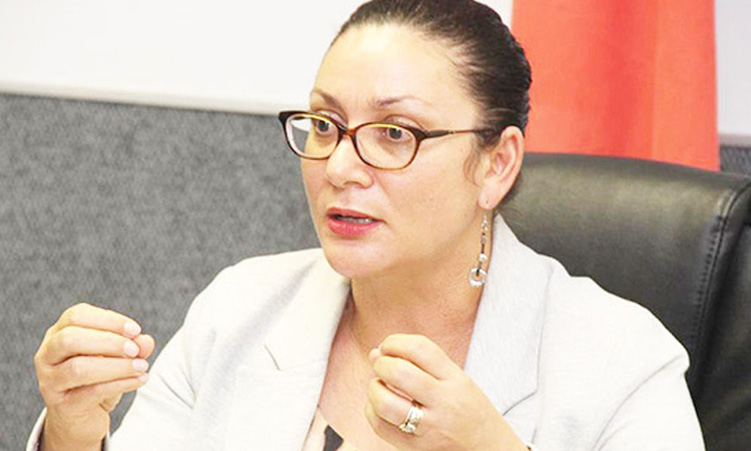
Describing 2010 as the GIPF’s ‘annus horribilis’ or horrible year on Thursday night, fund trustee Gordon Elliott said the N$4-billion-strong new unlisted investment policy was designed to ‘avoid the pitfalls of the failed Development Capital Portfolio (DCP)’.Elliott, standing in at short notice for Hartmut Ruppel, who suddenly resigned as GIPF board chairman last Tuesday, told a packed audience, which included Justice Minister and Swapo secretary general Pendukeni Iivula-Ithana, that the trustees “will engage and commit as much of the GIPF’s resources to develop, strengthen and maintain Namibia’s financial services industry and infrastructure in its broadest sense”.’We believe that without development and stability of our country, no amount of pension benefits paid will make any difference to our people,’ he said.Cabinet recently froze the unlisted investment policy after deciding to launch a forensic audit into the entire DCP issue, including who had benefitted from the N$660 million dispersed under the scheme and how the money was used. The move, although welcomed by the unions, have left approved investment managers unsure of whether they still have a mandate to put capital into an unlisted business in return for a share of the profits or ownership.Elliott on Thursday echoed Ruppel’s earlier assurances that the unlisted investment programme is based ‘on principles of a wholesale approach, proven competence of fund managers, alignment of financial interests for the benefit of members, mentoring, good governance and effective control’. Ruppel recently admitted that the one of the major weaknesses of the DCP was that the GIPF followed a ‘retail approach’ where the trustees themselves made investment decisions. This should never have happened, Ruppel said at the time.Also coming out in support of the new unlisted investment programme, Stimulus Investments managing director Monica Kalondo said equity finance holds the key for young, high-growth businesses in Namibia. Stimulus has a GIPF mandate to invest N$160 million in equity capital under the new programme.Kalondo said following the DCP fiasco in 2004 and the GIPF’s lack of action, everybody in the industry currently is being painted with the same brush.”Holding wrongdoers to account must not be left to the politics of the day. If any private equity manager misbehaves, deal with it responsibly and immediately – the contracts provide for it,” she said.’Uncertainty is not good for business,’ she said, adding that it is crucial that investors believe that their rights will be protected.Kalondo showed a slide of an e-mail she received last week in which an entrepreneur from Oshakati said she wanted to submit her business proposal for funding to Stimulus, but that she was not sure what to do following Cabinet’s decision.’Please advise as I am desperate to work hard and contribute to Namibian Vision 2030,’ the businesswoman wrote.’What do I tell her?’ Kalondo asked, saying that the GIPF ‘must send a clear message’.
In an age of information overload, Sunrise is The Namibian’s morning briefing, delivered at 6h00 from Monday to Friday. It offers a curated rundown of the most important stories from the past 24 hours – occasionally with a light, witty touch. It’s an essential way to stay informed. Subscribe and join our newsletter community.

The Namibian uses AI tools to assist with improved quality, accuracy and efficiency, while maintaining editorial oversight and journalistic integrity.
Stay informed with The Namibian – your source for credible journalism. Get in-depth reporting and opinions for
only N$85 a month. Invest in journalism, invest in democracy –
Subscribe Now!