




The Electricity Control Board (ECB) is introducing new rules that will make electricity companies justify their prices.
The regulator’s new system requires companies to ensure that their tariffs reflect their actual costs, and that those costs are well spent. The system is expected to come into effect in 2027.
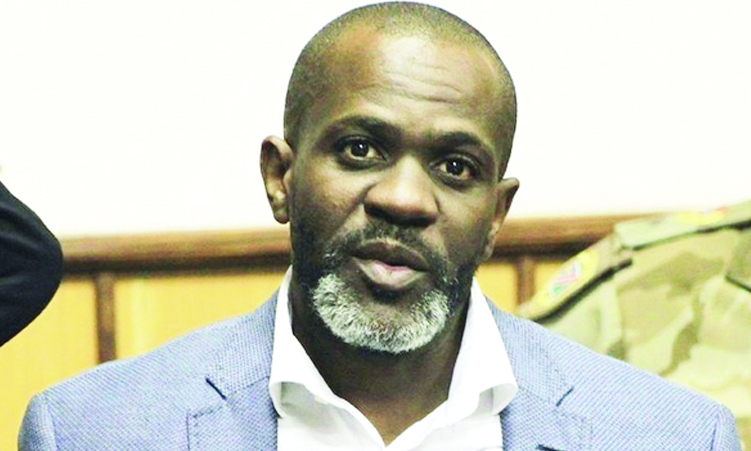
ECB executive Pinehas Mutota told The Namibian that the new regulations incentivise lower costs so that utilities are both financially efficient and affordable for consumers.
“The incentive base or the performance management framework that we are bringing in is basically to ensure that the utilities are incentivised to cut costs. At the same time they are penalised for incurring excessive costs. It’s a two-way thing, where we want efficiency in the industry and at the same time we want affordable tariffs,” Mutota says.
The new regulations are designed to make tariffs predictable. By setting prices over several years, utilities can plan ahead and reduce price spikes.
“The regulator will probably be able to set a tariff for three years, which brings in stability because consumers know what the changes are in the following three years,” Mutota says.
The Namibia Power Corporation (NamPower) proposed an 8.4% bulk tariff increase last Wednesday, with the company announcing that in order to reflect the full fixed cost of its operations, it would need to increase bulk tariffs by 6.5%.
“NamPower observes that the gap between actual fixed operational costs and the amounts approved in previous tariff periods has widened to a level that may negatively impact financial sustainability,” the company said. A notice adds: “Considering the anticipated implementation of the ECB’s new methodology, which requires that the full cost of service be properly recognised, it has become critical that action is taken to gradually narrow this gap.”
Although NamPower has applied for increased tariffs, Mutota stresses that the ECB has not yet made its decision on the tariffs.
“Communities are saying that they are unable to afford it and that their disposable income is shrinking by the day because of high increases of either rates and taxes, utilities and so forth,” Mutota says.
He adds that the ECB board will make its decision by the end of April and announce the rate for NamPower’s bulk tariffs in May.
After that announcement, distributors will submit their own proposed tariffs.
However, NamPower’s 8.4% proposal has alarm bells ringing. Consumer analyst Salomo Iipinge told The Namibian that municipalities are under fiscal strain and will need to pass on the increases to consumers. “While some municipalities may try to shield residents, many face rising operational debts which pressures them to pass on the full 8% or more to maintain their own infrastructure,” Iipinge says.
He says passing along a high tariff would risk making basic electricity unaffordable for low-income households.
“An 8.4% to 10% increase is considered a ‘shocker’ for many households already struggling with inflation,” Iipinge adds.
Shadow minister of urban and rural development Armas Amukoto says Namibia needs to consider long-term solutions to generate its own electricity.
“Many Namibians are already struggling with the high cost of living. Electricity is not a luxury; it is a basic need. We must move away from short-term solutions like tariff increases and focus on long-term strategies: investing in local power generation and using our natural resources wisely,” Amukoto says.
In an age of information overload, Sunrise is The Namibian’s morning briefing, delivered at 6h00 from Monday to Friday. It offers a curated rundown of the most important stories from the past 24 hours – occasionally with a light, witty touch. It’s an essential way to stay informed. Subscribe and join our newsletter community.

The Namibian uses AI tools to assist with improved quality, accuracy and efficiency, while maintaining editorial oversight and journalistic integrity.
Stay informed with The Namibian – your source for credible journalism. Get in-depth reporting and opinions for
only N$85 a month. Invest in journalism, invest in democracy –
Subscribe Now!