‘Unseen Line’ is a moving and deeply human documentary that explores the lives of seals along Namibia’s coastline and the people fighting to protect them from the unfortunate reality of being ensnared by ocean pollution.
Some of the pollutants include fishing lines, plastic waste and abandoned ocean debris.
The 13-minute film was produced by Loft Arts and follows several rescuers as they work to make the ocean a place that can be safe for its inhabitants.
It will premiere on 8 June, which is also World Ocean Day.
At the start the documentary appears to only be about animal rescue.
There are emotional scenes of rescuers sprinting across beaches, diving into groups of frightened seals and carefully cutting tight plastic lines from the animals’ necks and mouths.
It can be difficult to watch when you consider how unlucky many other animals are that never get the relief of becoming untangled from knotted fishing lines.
Subtextually, ‘Unseen Line’ is about the responsibility we as people have towards the natural world. The scenes with bleeding animals trapped in man-made waste highlight just how much of an impact humanity has had on this earth.
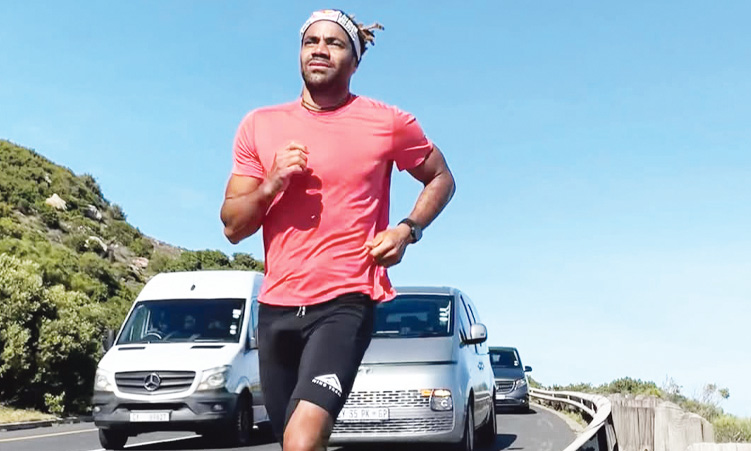
Opening with Ocean Conservation Namibia’s Naude Dreyer, the film feels personal and heartwarming.
He speaks about his love and gratitude for the ocean and nature in general, and laments the responsibility he feels towards fixing the damage humans have inflicted.
In 2023, they managed to rescue 876 seals and in 2024, they helped 791.
“The way things are going, the ocean is not going to just keep sustaining itself,” says Dreyer.
“Everybody needs to play a part in bringing the ocean back to its former glory, and to ensure the entire marine ecosystem does not collapse.”
Rather than overwhelming viewers with statistics or political arguments, the film focuses on the people doing the everyday work.
Their mission is exhausting and often dangerous.
The seals they try to help are strong, frightened wild animals with sharp teeth, and every rescue requires teamwork, patience and quick decision-making.
One of the documentary’s most powerful moments comes when the rescuers describe hearing a seal breathe freely again after a plastic line is removed from its body.
One rescuer says it feels as if he is breathing too. It is a simple moment, but it captures the emotional heart of the film perfectly.
It becomes even stronger when it shifts its attention towards local communities and education.
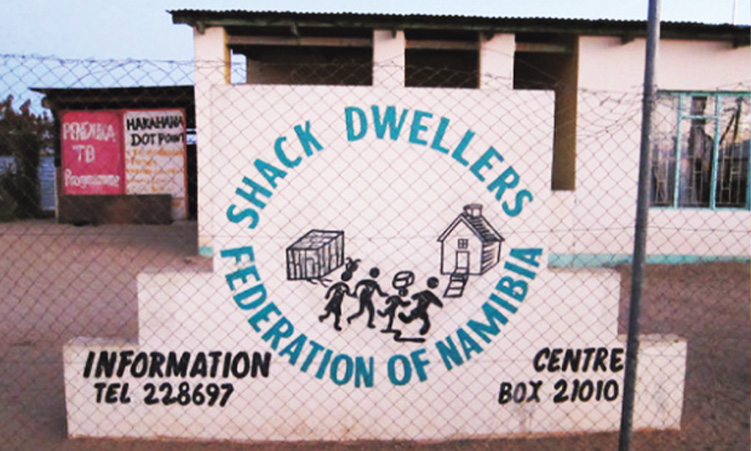
Their work with children and leading soup kitchens adds another layer to the story.
In one scene, children who live close to the ocean are taken to the beach for the first time to clean up litter and develop an appreciation for the livelihood of the ocean.
These scenes are some of the documentary’s most memorable. They connect the environmental protection element with human connection and opportunity.
According to the conservationists, caring for nature also means caring for people, especially future generations who will inherit the consequences of today’s damage.
“This is the generation that’s going to be dealing with all the problems caused by my generation essentially and the generations before me, and they need to be empowered and know how and what they’re protecting.”
Visually, Namibia’s coastline gives the documentary a striking backdrop.
The endless beaches, crashing waves and massive seal colonies create a feeling of both beauty and isolation.
As a viewer I could sense the harshness of the environment and the scale of the challenge the rescuers face.
“Even if we’re not changing the big picture yet, we are still saving lives every single day,” says Dreyer, acknowledging the impact of small, consistent actions.
The film feels personal, intimate and informative without doing too much, being too preachy or dragging on too long. It makes its point well.
– Anne Hambuda is a poet, writer, social commentator and novelist. Follow her online or email her at annehambuda@gmail.com for more.