Author Mathias Ngwangwama says Cuca Tops FC’s remarkable rise from Rundu to Namibia’s top football division is not only a sporting success story, but also one of resilience, leadership and organisational excellence.
Speaking to Desert FM following the launch of his book, ‘Mind is Might: The History of Cuca Tops Football Club’, at the Namibia Football Association (NFA) Technical Centre on Thursday, Ngwangwama said the publication goes beyond football to explore the qualities that enabled the club to succeed against overwhelming odds.
“Although it is about football, the book is really about high-performance culture,” he said.
“The question is: How did a team from Rundu become the first club from that region to qualify for the Namibia National Super League before independence? How did they get it right?”
The academic, whose background is in business management and organisational development, said answering those questions became the inspiration behind the four-year research project.
The book also speaks on the beginning of the fierce rivalry in Kavango football and arguably the whole country between them (Cuca Tops) and Rundu Chiefs.
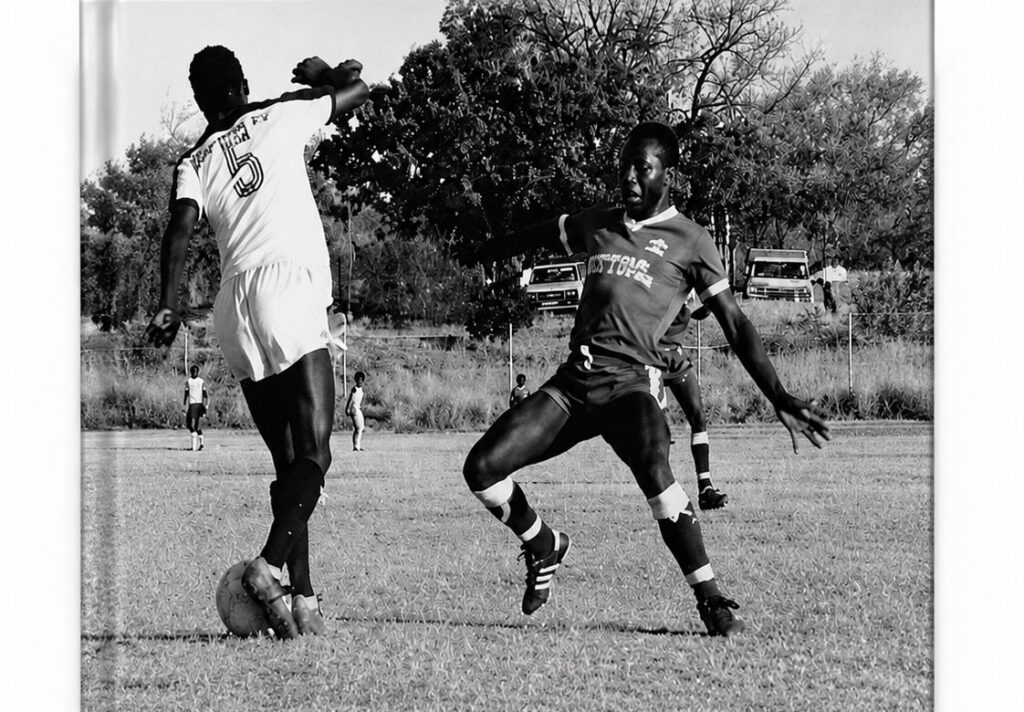
The book traces Cuca Tops’ journey from its informal formation in 1970 and formal establishment in 1973, to its historic promotion to the Namibia National Super League at the end of the 1987 season.
During that era, the club travelled almost 1 500 kilometres on return trips from Rundu to honour league fixtures while competing against better-resourced teams from larger towns.
“That story represents resilience, sacrifice, innovation and good leadership,” Ngwangwama said. “Even today clubs struggle with logistics, but before independence they travelled those distances almost every weekend and remained competitive.”
He added that researching the club’s history proved equally demanding.
“The book took about four years to research and write. The biggest challenge was the lack of data,” he said, adding that the publication relied on archival documents, photographs and interviews because historical records on Namibian football remain scarce.
He described the book as a foundational account rather than the definitive history of Cuca Tops, saying he hopes future researchers will build on it.
Among the discoveries that surprised him most was the club’s diversity.
“Cuca Tops had players from Zambia and many from Angola. Sometimes people think it was simply a club for Kavango people, but it had a much broader, international perspective.”
His research also confirmed that the club’s name originated from the popular Angolan Cuca beer, which was widely smuggled into northern Namibia during the apartheid era.
According to Ngwangwama, the club was initially known simply as “Cuca” before “Tops” was added later.
The book also explores the club’s place within Namibia’s social and political history, including its role during the liberation struggle, while examining financial sustainability through comparisons with clubs such as Real Madrid and Egypt’s Al Ahly.
Ngwangwama said he believes Namibia has not done enough to preserve its sporting heritage.
“We are not doing enough. Actually, we didn’t do anything,” he said.
He noted that many of Namibia’s oldest football clubs have histories spanning more than a century, yet much of that heritage remains undocumented.
“These clubs are not just football clubs; they are part of Namibia’s heritage. There are many human stories that will be lost if we don’t document them.”
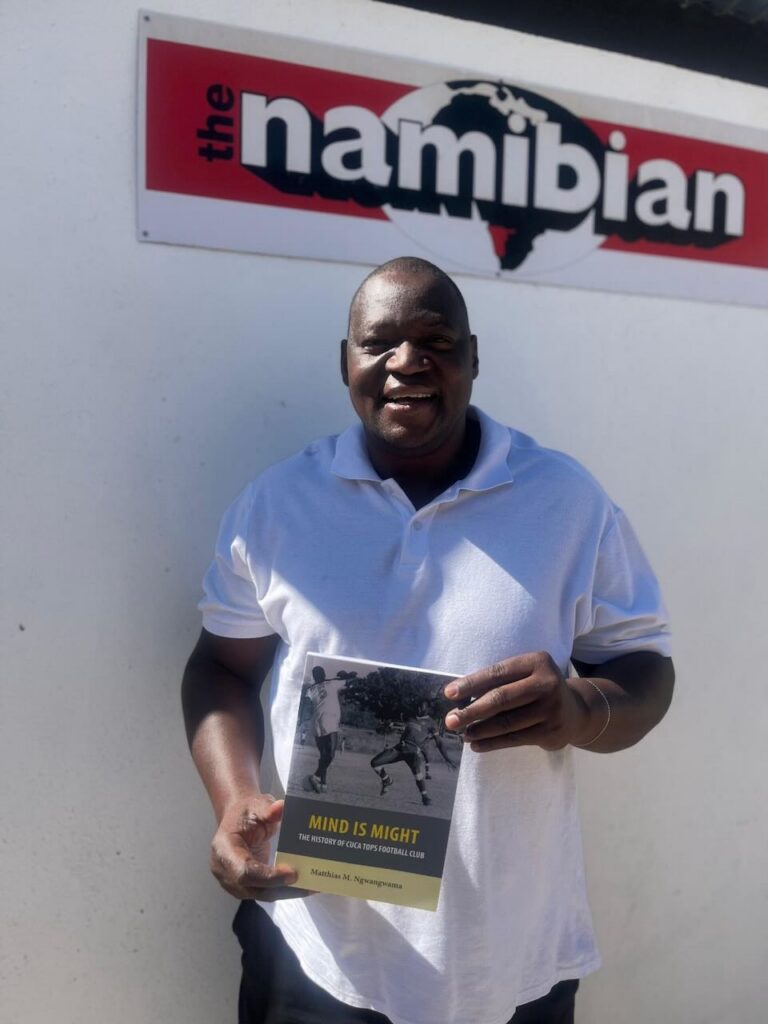
He echoed the same message during the book launch, urging football clubs to strengthen their archives and digital presence to preserve their histories for future generations and attract greater sponsorship.
Published by Unam Press, ‘Mind is Might: The History of Cuca Tops Football Club’ is available at the Unam Press Bookshop and Book Market in Windhoek for N$250. Ngwangwama said the publication is intended as a contribution to preserving Namibia’s football history rather than a commercial venture.