



The government’s plan to launch a N$3-billion national airline is facing criticism from the water sector, which says funds should be spent on basic services first.
Outjo social activist Carina Human yesterday said money should rather be used to improve water infrastructure.
“The entire 2026/27 development budget for water and marine resources is only N$579 million. If N$3 billion were invested, we could build more pipelines, dams, and desalination plants. We could also ‘solarise’ thousands of boreholes, reducing electricity costs for farmers and rural communities,” she said.
Water challenges remain serious in many parts of the country, with boreholes drying up due to repeated droughts, while in some areas the water is too salty for people or livestock consumption.
Many rural water systems are old and often break down, meaning water does not always reach communities.
Human warned against repeating past mistakes when the former airline drained over N$8 billion in taxpayer subsidies between 1999 and 2021.
“The government is now planning a N$3-billion venture while still dealing with court cases over unpaid severance for former employees. This is a gamble while the country faces high unemployment and infrastructure needs,” she said.
Human said private airlines, such as FlyNamibia, already operate on many routes, raising questions about whether a state-owned airline is necessary.
She said there is doubt that it could remain commercially driven without needing more taxpayer support.
The government has thus far not indicated any changes to its plan.
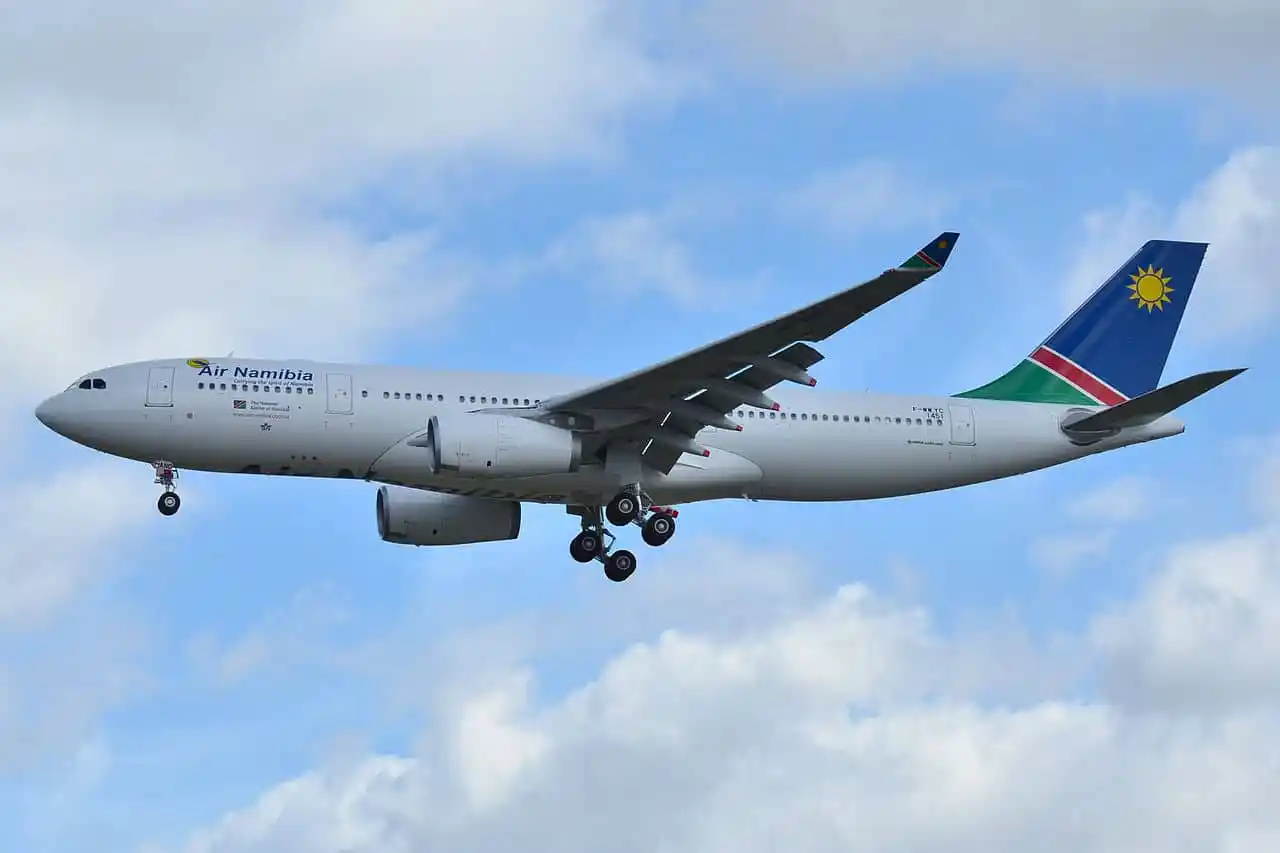
Last year, minister of works and transport Veikko Nekundi said Namibia Air would be fully owned by the state.
He said the airline would operate with a lean workforce based on skills rather than previous employment.
Nekundi said the airline would compete in the African aviation market and may partner with other airlines to expand beyond the continent.
Decisions on whether to lease or buy aircraft would be guided by economic and commercial analysis to avoid past mistakes, he said.
Air Namibia, established in 1947 and fully nationalised in 1986, operated across southern Africa and Europe but struggled with high costs, overstaffing, and poor management years later.
It was liquidated in 2021 after years of financial losses, leaving hundreds of employees without jobs.
Political analyst Ndumba Kamwanyah says the proposed airline is a high-risk use of public funds in a small market.
He says demand is limited, competition is strong, and state-owned airlines often struggle to remain profitable.
“The government should prioritise basic services first – water, energy, health, and infrastructure – before prestige projects.
Large projects should not take money away from essential services. Unless there is a clear path to profitability, this could become a long-term burden,” he says.
Kamwanyah says while a national airline could improve connectivity and support tourism and business, this could also be achieved through partnerships with private airlines at a lower cost.
He says risks include ongoing subsidies, debt pressure, and money being diverted from urgent needs.
In an age of information overload, Sunrise is The Namibian’s morning briefing, delivered at 6h00 from Monday to Friday. It offers a curated rundown of the most important stories from the past 24 hours – occasionally with a light, witty touch. It’s an essential way to stay informed. Subscribe and join our newsletter community.

The Namibian uses AI tools to assist with improved quality, accuracy and efficiency, while maintaining editorial oversight and journalistic integrity.
Stay informed with The Namibian – your source for credible journalism. Get in-depth reporting and opinions for
only N$85 a month. Invest in journalism, invest in democracy –
Subscribe Now!