




The deadly xenophobic violence perpetrated against foreigners by South Africans is one of the saddest and most unfortunate actions on fellow Africans who are supposed to feel at home, live and work in South Africa, and indeed elsewhere in Africa.
As a concerned Pan-Africanist, I have chosen to research this topic and make a presentation at an international rhetoric conference to be hosted by the University of South Africa in a few months to come.
The theme of the conference is: ‘The Problematics of Citizenship in Africa in the 21st Century’.
The brutal killings of Africans by fellow Africans in South Africa just because the victims are foreign citizens begs answers to fundamentally three questions.
WHO ARE WE?
First, what does it entail to be an African citizen?
Second, is Pan-Africanism succeeding in bringing the citizens of Africa together, achieving African unity?
Third, how can rhetoric be used to end the necklacing of ‘makwerekwere’, the so-called foreigners or migrants.
By answering these and related questions, and by tracing the history of the chilling act of necklacing fellow Africans, I interrogate the essence of humanity and Africanness in the community of African unity.
Furthermore, I establish that, most likely, the constructions of the concept foreigner or immigrant is derived from Jaques Derida’s aporia as the “the difficult, or the impracticable … the impossible passage, indeed the non-passage” (Salem, 2023 p 258).
The term ‘makwerekwere’ has been derogatorily used in South Africa, possibly elsewhere in Africa, to refer to immigrants from other southern African countries who find themselves in South Africa.
The onomatopoeic word ‘makwerekwere’ derives from the foreign languages used by African immigrants, which sound odd and awkward to South Africans.
UNJUST AND INHUMAN
The linguistic barriers brought out by foreign languages further complicate the situation, leading to disdain and frustration among listeners, hence they think the foreigners are wasting their time talking ‘kwere-kwere’, languages with no mutual intelligibility.
Some of the so-called ‘makwerekwere’ are Mozambicans, Zambians, Tanzanians, Zimbabweans, Malawians and Nigerians who, for various reasons, find themselves living and working in South Africa.
Ironically, this term is not used to describe foreigners/immigrants from outside Africa.
That fellow Africans take tyres and put them around the necks of fellow Africans (‘makwererekwere’/foreigners), douse the tyres with petrol or other highly inflammable substances, and set the tyres on fire, killing the innocent victims in the most horrific way, is unfathomable cruelty – a heinous crime against humanity.
This horrific punishment, leading to the agonising death of victims, has attracted abhorrence and criticism from political and religious leaders both in South Africa and elsewhere who consider it unjust, inhuman and unAfrican.
When Africans kill fellow Africans by necklacing or by any other means, the values of Africanness are eroded and trivialised.
TRUE VALUES
The values of African unity and oneness were espoused by Pan-Africanism forebears like Kwame Nkrumah, Tawafa Balewa, Julius Nyerere, Marcus Garvey, W.E.B Du Bois and Patrice Lumumba who advocated for the United States of Africa.
When Africans ill-treat one another as outsiders and foreigners on African soil, then African citizenship is questioned.
What does it mean to be African or to be an African when the concept of ‘othering’ abounds in the midst of Africans?
Are South Africans more African than Mozambicans, or Zimbabweans, or Namibians, or Zambians, or Libyans, or Nigerians?
One wonders which African values Operation Dudula serves and promotes in South Africa and Africa as a whole.
It does not need a rocket scientist to deduce that Operation Dudula’s rhetoric and activities of ‘othering’ and exclusivity, rather than inclusivity, have succeeded in destroying a sense of belonging in a multicultural Africa.
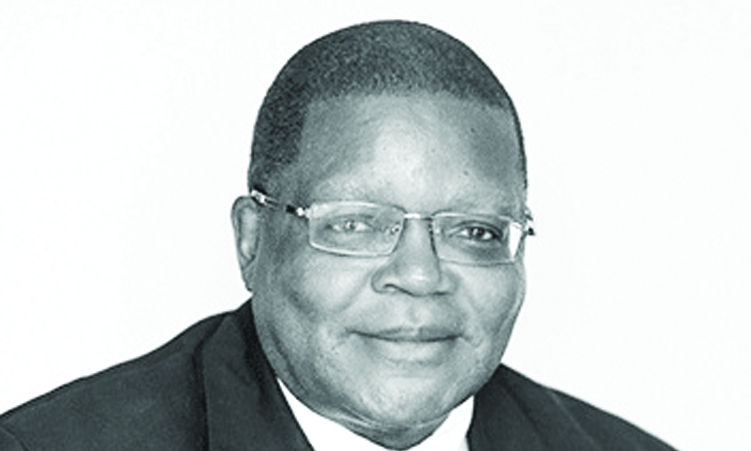
- Professor Jairos Kangira is an educationist of international repute; kjairos@gmain.co
In an age of information overload, Sunrise is The Namibian’s morning briefing, delivered at 6h00 from Monday to Friday. It offers a curated rundown of the most important stories from the past 24 hours – occasionally with a light, witty touch. It’s an essential way to stay informed. Subscribe and join our newsletter community.

The Namibian uses AI tools to assist with improved quality, accuracy and efficiency, while maintaining editorial oversight and journalistic integrity.
Stay informed with The Namibian – your source for credible journalism. Get in-depth reporting and opinions for
only N$85 a month. Invest in journalism, invest in democracy –
Subscribe Now!