The Namibian Broadcasting Corporation’s (NBC) Drama School is back and preparing to launch its fifth season with a renewed focus on strengthening Namibia’s growing film industry.
The programme, run by the NBC Drama School, aims to equip young creatives with practical skills and real production experience so they can build sustainable careers in film-making.
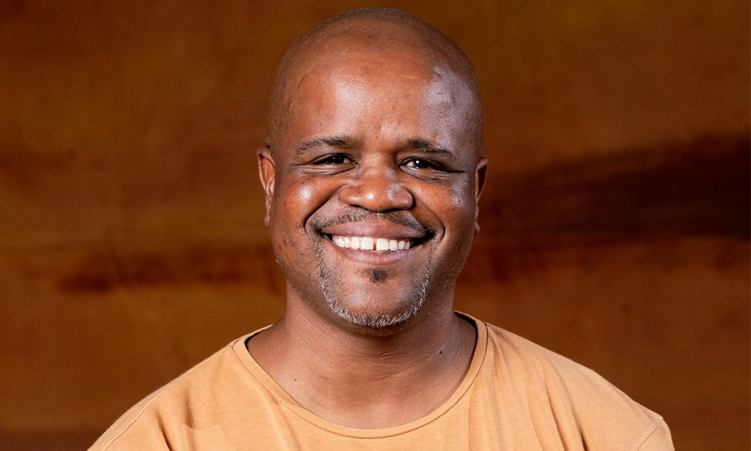
Programme representative Chrisjan Appollus, known for Namibian films like ‘Is Love Enough?’ (2023), ‘Penda’s Dilemma’ (2023) and ‘Hand-holder’ (2023), says the goal is to support the long-term sustainability of Namibia’s film sector. Rather than only focusing on grassroots training, the school now aims to empower young creatives who are ready to enter the industry and compete at a professional level.
“We are creating a platform to empower them to get into the market,” he says, explaining that the programme functions more like in-service training than a traditional classroom setting.
Participants will be expected to work together on real productions and produce work that can appeal to audiences, sponsors and investors. According to Appollus, the emphasis is on encouraging trainees to produce high-quality work that reflects their abilities and passion for film-making.
In past iterations, trainees explored different creative and technical approaches while learning about pitching, script development and production planning.
Maria Akawa, who is both an alumnus of the programme and is now involved in its training activities, says the experience is designed to mirror the realities of the film industry.
Trainees work in teams that include directors, writers, cinematographers, producers and editors, learning how each department contributes to the final product.
“We look at basically training you into being a professional film-maker,” she says, explaining that the programme follows the three main stages of film-making: pre-production, production and post-production.
During pre-production, trainees develop scripts, refine ideas and plan the logistics of their projects. Production then involves the filming process, which can include long shooting days. Finally, post-production focuses on editing, sound design and bringing the final project together.
Akawa describes the programme as operating like a “mini production house”, where trainees start their day with meetings to set goals and organise their work rather than attending traditional lectures.
Former trainee Jonathan Sasha, who participated in season four, says the experience gave him valuable insight into the many layers of film-making.
“It was an amazing experience especially being able to learn about the different tiers of filmmaking and how they are all tied together,” he says.
Sasha says trainees benefited from learning directly from experienced professionals in the field.
“A lot of industry professionals shared their expertise with the trainees and it also allowed for opportunity to network with them,” he says.
Sasha was part of the writers’ room that worked on a television series during the programme, where he collaborated with other writers under the mentorship of film-maker Cecil Moller.
He says the training was demanding and reflected the pressures of real film production, including exhausting and long shoot days, and navigating interpersonal relationships with other film-makers.
Season five will select around 30 participants and will run for approximately six to eight months. During this time, trainees will work toward producing a longer film project of around 52 minutes, giving them the opportunity to gain experience on a larger-scale production.
The programme is open to young creatives aged 18 to 35 who have at least two years of interest or experience in film-making.
Applicants are required to submit a CV, a motivational letter and a portfolio of their work to NBC, while aspiring writers must also submit a short synopsis and sample dialogue.
Organisers say the programme continues to play an important role in developing Namibia’s creative sector by giving emerging film-makers the tools, experience and connections they need to grow in the industry.
Applications close on 24 April, with an information session planned ahead of the deadline for those interested in learning more about the programme and how to apply.
– Anne Hambuda is a poet, writer, social commentator and novelist. Follow her online or email her at annehambuda@gmail.com for more.