



Namibia, the world’s third-largest uranium producer, contributes approximately 10% of global uranium output, a significant achievement for a ‘small’ nation.
Namibia is currently able to produce about 60% of its energy demand locally while importing the shortfall from neighbouring nations.
This dependency, coupled with rising energy demands, underscores the need for energy diversification.
With hydropower, solar and wind dominating its current energy mix, nuclear power offers a promising solution to achieve energy security, reduce carbon emissions and support economic growth aligned with Namibia’s Vision 2030.
Historical ambitions and policy development
Namibia’s nuclear energy aspirations emerged in the late 2000s. In 2010, French company Areva conducted a feasibility study for nuclear power generation as part of its Trekkopje project.
In 2011, the energy ministry, with assistance from Finland’s Nuclear and Radiation Authority, drafted a nuclear policy targeting electricity generation by 2018.
However, progress stalled due to the absence of a finalised policy, and a 2007 moratorium on uranium exploration licences highlighted regulatory gaps, including legal challenges.
These early efforts have set the foundation for renewed ambitions, starting with lifting the moratorium on new exploration licences in nuclear fuels in 2017.
Recent developments and leadership push
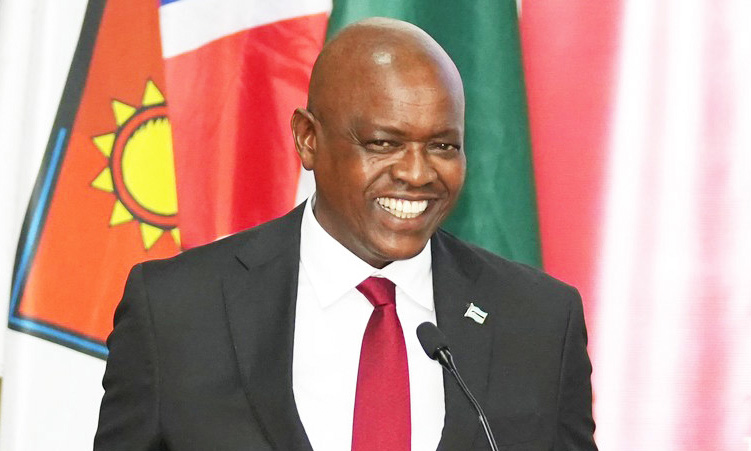
In April 2025, president Netumbo Nandi-Ndaitwah announced plans to initiate discussions for Namibia’s first nuclear power plant, emphasising the use of the country’s uranium for national development.
During a visit to the Rössing Uranium Mine, she called for strategic partnerships to realise this vision as Namibia pushes for resource beneficiation.
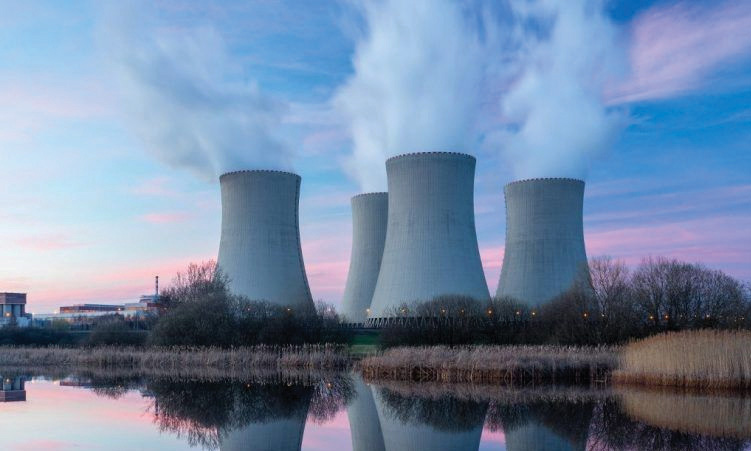
Namibia has international backing. Rosatom has committed to a project that will be central to developing and operating a future nuclear power plant.
Similarly, in a meeting with former president Nangolo Mbumba in January 2025, the Chinese foreign minister reaffirmed China’s commitment to assisting Namibia in future development and investment opportunities.
In September 2025, Cabinet approved Namibia’s nuclear industry strategy, and it was reported that the strategy would lay Namibia’s foundation in the nuclear energy development sector.
Why would Namibia consider nuclear energy in a net-zero climate?
- • Energy independence: A nuclear plant could reduce reliance on imported electricity, enhancing energy security.
- • Low carbon emissions: As a low-carbon energy source, nuclear power supports Namibia’s climate commitments.
- • Economic growth: Construction and operational needs could create jobs, stimulate infrastructure development and ensure that present and future energy demands are met.
- • Resource availability: Locally sourced uranium ensures energy independence.
The incentives are quite clear. Namibia currently has a development goal focused heavily on value addition, resource beneficiation, infrastructure development and energy independence.
With developments in small modular reactors, this might be more than a pipe dream for Namibia. Given current consumption of 750MW, projected energy demand and international co-operation, a nuclear plant could meet domestic demand and turn Namibia into an energy-exporting country.
Challenges and concerns
The development of a nuclear power plant in Namibia may become Namibia’s most ambitious project yet, since it is not without its challenges.
Firstly, the high capital costs of a nuclear plant require significant investment, posing challenges in sourcing funding on reasonable terms and ensuring a return for investors.
A tipping point in favour of this project is the World Bank ending its ban on financing nuclear energy projects. This change in tune includes considering the acceleration of the potential of small modular reactors.
Secondly, Namibia has a lack of technical expertise. Limited local skills necessitate costly imports of expertise and forces Namibia into partnerships with developed nations.
This creates concerns about safety, environmental impact and the geopolitical risks associated with such partnerships.
Partnerships with any geopolitical powerhouse may create dependencies, potentially affecting relations with other opposing global powers. At the same time, Namibia, as a small developing nation, must leverage its relationships where available and with those who offer assistance.
More so than the technical difficulty of this project, navigating the geopolitical landscape while balancing Namibia’s ambitions will be challenging.
Namibia, being the Land of the Brave, is up to the task, and so far Namibia’s current administration has continued its support for this project.
– Chika Vassallo is an associate in corporate and commercial law, and Magano Erkana is a director in banking, finance and projects at Cliffe Dekker Hofmeyr Namibia.
In an age of information overload, Sunrise is The Namibian’s morning briefing, delivered at 6h00 from Monday to Friday. It offers a curated rundown of the most important stories from the past 24 hours – occasionally with a light, witty touch. It’s an essential way to stay informed. Subscribe and join our newsletter community.

The Namibian uses AI tools to assist with improved quality, accuracy and efficiency, while maintaining editorial oversight and journalistic integrity.
Stay informed with The Namibian – your source for credible journalism. Get in-depth reporting and opinions for
only N$85 a month. Invest in journalism, invest in democracy –
Subscribe Now!