



The Global Pursuit of energy security under international energy law remains an incomplete journey, particularly for the emerging economies of the Global South.
Many emerging economies, including Namibia, are struggling immensely to meet their energy needs; a US$30 billion investment annually is required to achieve universal energy access by 2030.
Recent energy data from the United Nations Statistics Division provides some concerning indicators regarding the reality of Namibia’s energy situation.
CURRENT STATUS OF NAMIBIA’S ENERGY SECURITY
I gathered, calculated and analysed energy data from the United Nations Statistics Division. The findings show that Namibia’s energy self-reliance is at 42.55%.
Its excessive reliance on costly imports is at 57.45%, which subjects the nation to high supply risks and inability to satisfy domestic energy demand.
Such dependence is even more concerning since the per capita consumption is at 1 304 kWh, which is less than the optimum required to ensure long-term economic growth.
It must be doubled, according to economic experts, to achieve significant economic growth and industrialisation.
PROGRESS AND REGIONAL COMPARISONS
While electricity access in Namibia improved from 44.4% in 2014 to 56.4% in 2024, this rate of achievement is, nonetheless, lower than that of its neighbours.
For instance, Botswana stands at 73.9% for electricity access, and South Africa is at 94.2%.
Although Namibia stands above the sub-Saharan average of 49.3%, it still has a lot to do before it can achieve the world’s energy access rate, which stands at 90.7%.
RENEWABLE ENERGY INTEGRATION
The existing share of renewables in Namibia’s energy supply is 33%, representing low energy transition commitment and sustainability.
There is an urgent need to develop and integrate renewable energy sources into the countrys energy portfolio.
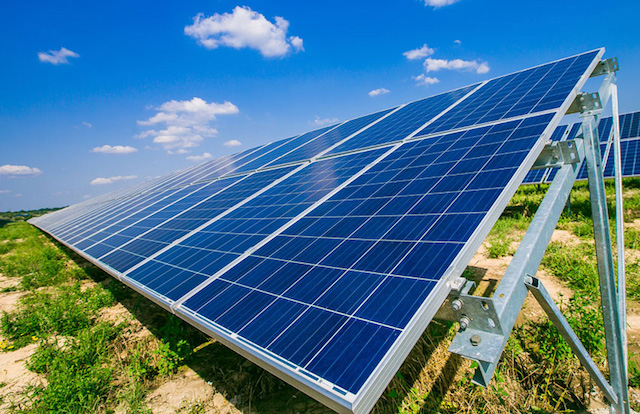
Namibia’s enormous renewable energy resources, such as solar and wind power, remain an untapped potential for increasing energy security and resilience.
METRICS OF SUCCESS
Success in energy transformation in Namibia will be based on actual success on the ground related to energy security and energy poverty alleviation.
Insofar as energy security is concerned, it shall be demonstrated by an increase in energy self-reliance from the current 42.55% to at least 80% by 2030, with a considerable reduction in vulnerability to external supply disruptions.
Increasing the share of renewable energy to 70% of the total energy portfolio will add value towards improved energy independence while contributing to environmental sustainability.
Energy poverty, however, must be addressed on various measurable outcomes: doubling the per capita energy consumption from the existing 1 304 kWh will directly contribute to economic growth and industrial development while reducing energy poverty.
Similarly, increasing electricity access to 80% of the population, especially through rural electrification initiatives, will benefit historically marginalised communities.
This additional access and consumption of energy will further be met with a reduction in energy costs via diversification, hence affordability to low-income households.
Reaching these metrics will mean Namibia has made a successful transition towards a more secure and equitable energy future.
This shall require sustained political will and vision, besides strategic partnership with private sector investors and innovative financing to bridge the investment gap.
It is against this background that Namibia can create a more robust, diversified and resilient energy system that supports economic growth and social development while breaking the cycle of energy poverty and guaranteeing long-term energy security.
– Edward Shati is a Chevening scholar at the University of Aberdeen, pursuing his MSc in energy economics and law. This article represents his own personal opinions.
In an age of information overload, Sunrise is The Namibian’s morning briefing, delivered at 6h00 from Monday to Friday. It offers a curated rundown of the most important stories from the past 24 hours – occasionally with a light, witty touch. It’s an essential way to stay informed. Subscribe and join our newsletter community.

The Namibian uses AI tools to assist with improved quality, accuracy and efficiency, while maintaining editorial oversight and journalistic integrity.
Stay informed with The Namibian – your source for credible journalism. Get in-depth reporting and opinions for
only N$85 a month. Invest in journalism, invest in democracy –
Subscribe Now!