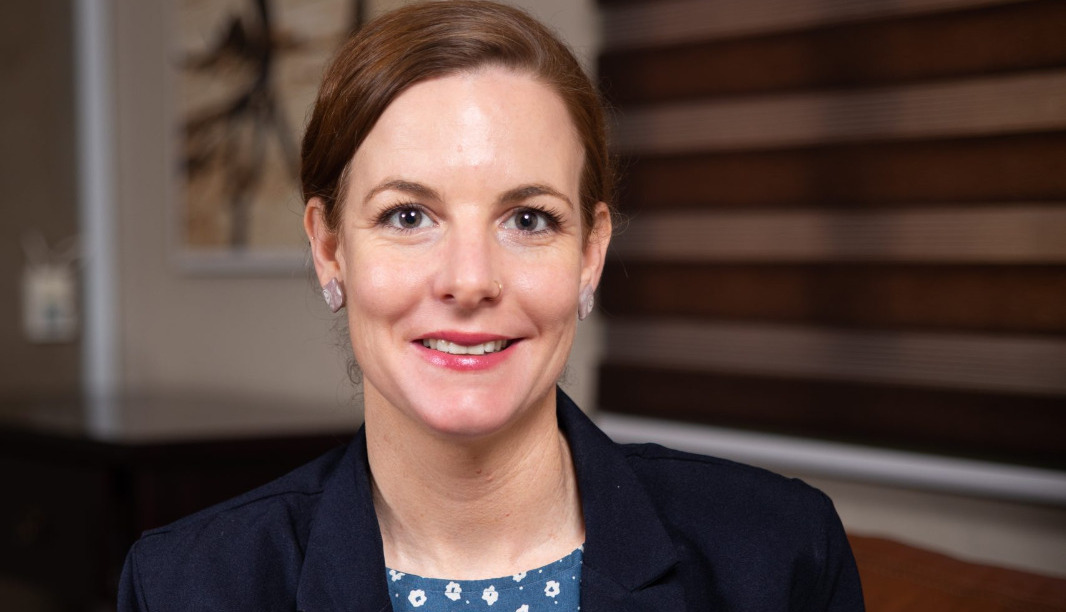




As an economic and business researcher and African Council on Foreign Relations board member, I would like to celebrate Namibian history by extending congratulations to vice president Netumbo Nandi-Ndaitwah, Namibia’s first female president-in-waiting.
One must be familiar with Iceland’s first female president, Vigdís Finnbogadottir, who was elected in 1980. During that time, Icelandic citizens were experiencing social unrest, a severe economic crisis, and a general sense of disillusionment.
Notwithstanding the worldwide trend, Iceland’s gross domestic product (GDP) grew by 6.3% since she took office, outpacing the 4.9% growth rate in prior years.
Another significant individual is Ellen Johnson Sirleaf, former president of Liberia and the continent’s first democratically elected female head of state.
Government buildings, schools, and hospitals were in ruins, and after being elected president in 2006, Sirleaf inherited this disaster.
Restoring basic services, maintaining peace, and raising the country’s credit rating were Sirleaf’s main goals. In 2006, Liberia’s GDP increased by 8.5%, surpassing the previously recorded growth of 5.9%.
Namibia is currently experiencing socioeconomic issues, with the biggest being unemployment. A critical plan is the N$85-billion job creation initiative which aims to create 550 000 jobs in key sectors.
Nandi-Ndaitwah believes everyone should be included, regardless of political affiliation. Namibians would have more autonomy and be treated as equals.
Independent Economist’s
The economy is dynamic and diverse, allowing people to find good jobs and reviving industrial growth and manufacturing to create jobs and produce goods and services that enhance the ordinary person’s daily life.
The main goal of economic policy should be to promote economic prosperity driven by rapid growth rates. In fact, the majority of our societal issues are a direct result of the absence of prosperous growth.
Opportunity is limited in the absence of growth.
And there are serious social issues when there are no opportunities. Namibia’s economy is growing slowly, and there are significant obstacles to innovation in both the public and private sectors.
To fully benefit from the digital economy and enhance our ability to create jobs, advance long-term economic growth, and build society, we need more intelligent policies. As they grapple with social and economic issues, policymakers should prioritise this focus.
The president should take concrete measures to encourage investment by analysing laws, regulations, and investment policies and eliminating provisions that impede seamless investments, such as erratic policies, an unstable tax structure, and unnecessary bureaucracies.
Namibia needs to make changes to its educational system. Expecting Namibia to become industrialised without taking the necessary steps to enhance the educational system is unrealistic.
Furthermore, the government should prioritise land reform and include it on its agenda.
In Namibia, land reform is a key tool for achieving social justice and economic advancement. Thus, resolving the land reform matter will guarantee that the rights of all Namibians, not just those who currently own land, are reinforced.
Additionally, investors value good corporate governance, and under its principles and practices, shareholders have rights and expectations.
Controlling corruption is the most important factor influencing economic development and can have an effect on economic growth. Make openness a top priority in procurement procedures to fight corruption.
The best methods to reduce corruption in contracting processes are to create straightforward and workable policies and procedures, along with fair and consistent rulings and a way to hold contractors responsible for their actions.
Grafting activities may be curbed by putting controls in place, like requiring dual authorisation for audits and expenditures.
Namibia should enact rules for standardising the creation of competitive, transparent, and open contracting processes.
The operation’s financial credibility, essential services, and vital resources are all at risk, and these factors outweigh the need for increased efficiency. It becomes ingrained as a persistent barrier to inclusive growth, and both the market and the state must operate efficiently to accomplish it.
The president-elect should promote energy prosperity. This means our president should support prudent energy policies that let supply and demand be balanced by free markets, guaranteeing future energy that is dependable and reasonably priced. Policy support mechanisms are crucial for the penetration of green hydrogen into multiple sectors and to promote sector coupling to realise the true potential of hydrogen and reap the benefits.
Green hydrogen can free up more space for renewable energy sources.
With public debt exceeding 60% of GDP and in the midst of numerous macroeconomic disruptions, Nandi-Ndaitwah needs to get rid of state-owned enterprises’ (SOE) inefficient assets and obsolete, excess capacity.
Instead of focusing on enhancing corporate governance, the current wave of SOE reform emphasises the state’s drive for consolidation through mergers and acquisitions.
To foster and develop a thriving entrepreneurial network, I recommend the president-elect create a framework to improve connectivity and visibility of innovation, encompassing investors, business support organisations, research institutions, and entrepreneurs.
Prioritise industrial and trade policies and cultivate goodwill with foreign businesses to draw in investors and raise their investment levels in Namibia.
It can help Namibians prosper and realise their full economic potential.
Thus, Nandi-Ndaitwah should prioritise infrastructure development, economic revitalisation, and opportunity provision for all Namibians.
– Josef Kefas Sheehama is an independent economic and business researcher.
In an age of information overload, Sunrise is The Namibian’s morning briefing, delivered at 6h00 from Monday to Friday. It offers a curated rundown of the most important stories from the past 24 hours – occasionally with a light, witty touch. It’s an essential way to stay informed. Subscribe and join our newsletter community.

The Namibian uses AI tools to assist with improved quality, accuracy and efficiency, while maintaining editorial oversight and journalistic integrity.
Stay informed with The Namibian – your source for credible journalism. Get in-depth reporting and opinions for
only N$85 a month. Invest in journalism, invest in democracy –
Subscribe Now!