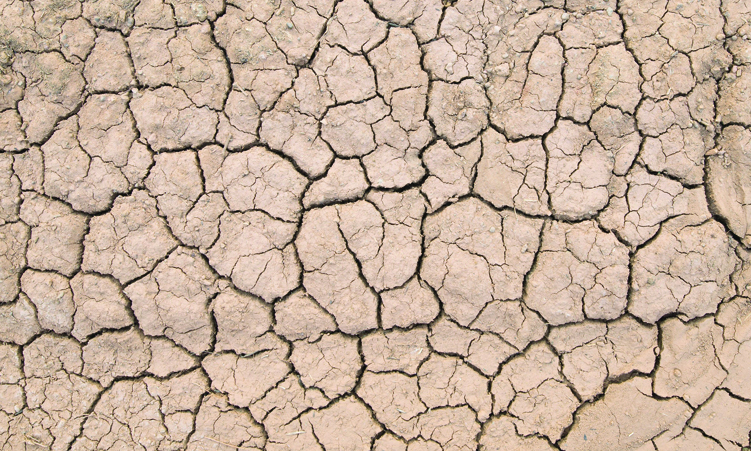
Namibia has recorded its eighth driest January since 1981, after rainfall declined across most parts of the country despite heavy downpours in sections of the north-east.
This is according to the Climate Watch report issued by the Namibia Meteorological Service yesterday.
The report says after an exceptionally wet December, January was drier, except in the north-eastern half of the country and in isolated areas of the eastern Hardap region.
Data in the report shows below-average rainfall in most parts of the country.
“The highest monthly rainfall amounts were recorded in the Zambezi region, particularly Sachona with 443mm, Kasheshe with 338mm, Katima Mulilo with 311mm, Bukalo with 227mm and Katima Mulilo Airport with 224mm,” reads the report.
The report says stations in other regions received less than 200mm.
The report suggests that from October 2025 to January 2026, rainfall distribution remained uneven, with the north-eastern regions and central north, extending into the south-eastern parts, recording above-normal rainfall.
According to the report, the coast and south-western areas of the country experienced below-normal conditions.
“The poor performance of rainfall in January 2026, has reduced the accumulated rainfall amounts for the season from October 2025 to January 2026.”
According to the Climate Watch report, the highest temperatures above 28°C were concentrated in the south-eastern parts of Namibia.
“The western escarpment recorded cooler temperatures below 24°C,” reads the report. This is due to synoptic system interactions and continued rainfall in some areas.
The report further suggests that most parts of the country are likely to experience above-normal temperatures between April and June.
Predicted averages indicate that much of central and southern Namibia will remain below 20°C, while northern and western regions are expected to have averages above 20°C.
In an age of information overload, Sunrise is The Namibian’s morning briefing, delivered at 6h00 from Monday to Friday. It offers a curated rundown of the most important stories from the past 24 hours – occasionally with a light, witty touch. It’s an essential way to stay informed. Subscribe and join our newsletter community.

The Namibian uses AI tools to assist with improved quality, accuracy and efficiency, while maintaining editorial oversight and journalistic integrity.
Stay informed with The Namibian – your source for credible journalism. Get in-depth reporting and opinions for
only N$85 a month. Invest in journalism, invest in democracy –
Subscribe Now!