



This month, Namibia, led by president Netumbo Nandi-Ndaitwah, is taking part in the United Nations (UN) General Assembly in New York.
This occasion provides an opportunity to highlight critical national and historical concerns.
Beyond the president’s agenda, three issues are particularly timely:
– Inviting the UN to be present at the ongoing Namibia – Germany reparations negotiations.
– Requesting technical assistance from the UN regarding Namibia’s reparations demands.
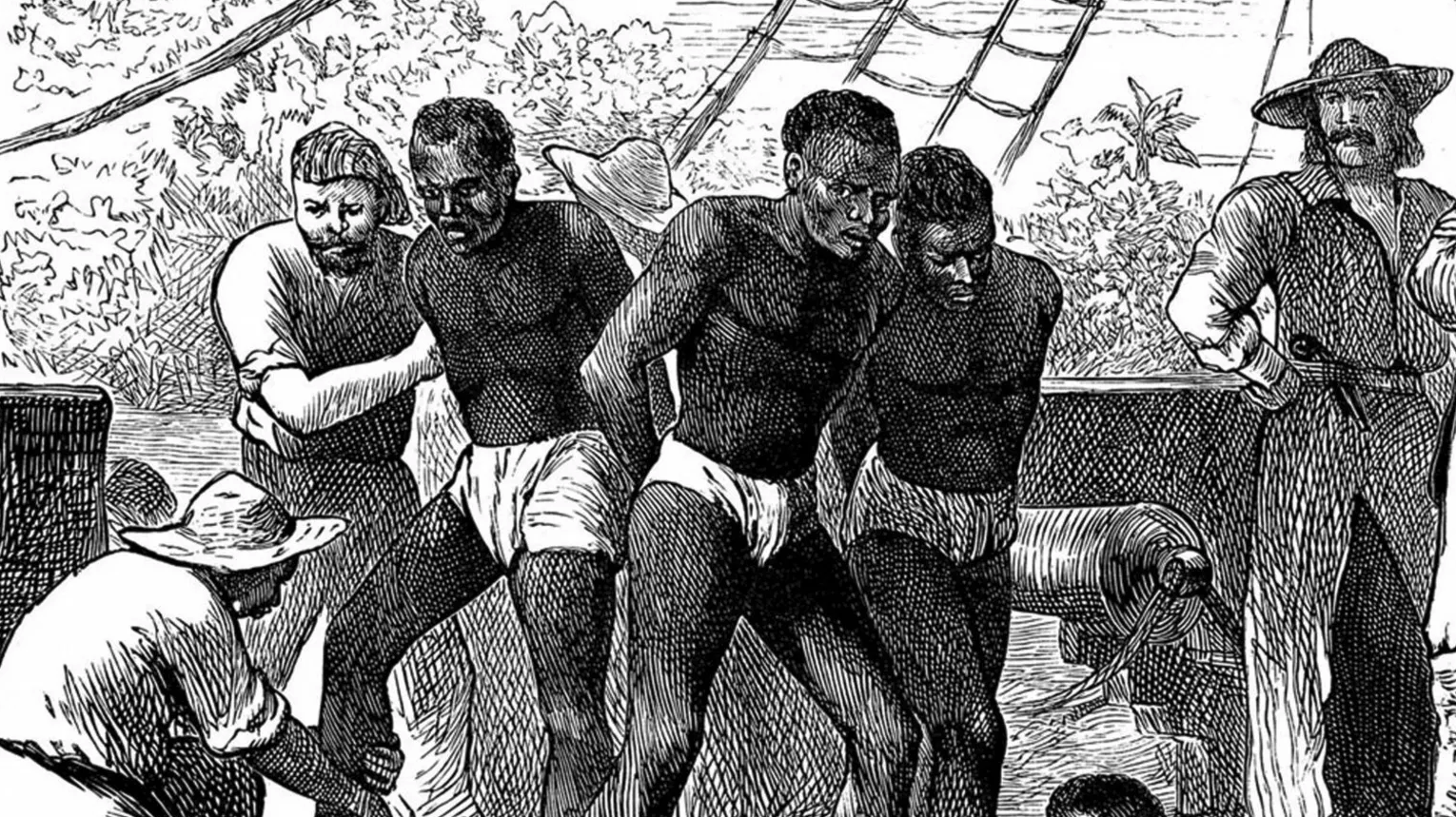
– Urging the UN General Assembly, through the secretary general, to officially recognise the Ovaherero and Nama genocide, alongside other genocides such as those in Rwanda, Srebrenica and the Holocaust.
This call is not without precedent.
The 1985 UN Whitaker Report acknowledged the Ovaherero and Nama genocide.
More recently, in February 2023, UN Special Rapporteurs confirmed the events of the 1904 – 1908 as genocide and emphasised the need for reparations.
They also urged Namibia to legislate a Genocide Remembrance Day, which has since been realised.
WHY IT MATTERS
Several compelling reasons justify UN participation in the negotiations.
a) Historical legitimacy: Namibia was under a UN mandate system until independence.
The UN played a decisive role in Namibia’s decolonisation and cannot remain detached from a process rooted in that colonial history, particularly its darkest episode – the genocide.
b) Midwifery role: The UN facilitated Namibia’s independence through free and fair elections, demonstrating its capacity to support complex transitions.
c) Custodian of conventions: As the repository of international conventions and declarations, the UN has frameworks applicable to genocide, reparations, and human rights.
d) Expertise and memory: The UN has institutional knowledge and technical expertise relevant to addressing genocide and reparations.
e) Impartial resources: The UN can provide independent and neutral support.
f) Shared membership: Both Namibia and Germany are UN members, making UN involvement natural and legitimate.
g) Multilateral dimensions: The genocide’s impact extends beyond Namibia.
Descendants of victims live in Angola, Botswana, South Africa, Cameroon, and Togo.
Their perspectives cannot be fully represented by Namibia alone.
The UN can provide an inclusive framework to involve these communities.
Given the magnitude and international character of the genocide and reparations process, it is imperative for Namibia to invite the UN to observe and support negotiations with Germany.
INTERNATIONAL DAY OF REMEMBRANCE
Namibia should also propose that the UN General Assembly designate 28 May as the International Day of Commemoration for victims of the Ovaherero and Nama genocide.
This would align with other UN observances such as those for Rwanda, the Holocaust and Srebrenica.
The date 28 May carries historical and national consensus.
In June 2016, a motion tabled in Namibia’s parliament to establish Genocide Remembrance Day received unanimous support and was officially proclaimed a public holiday.
On 28 May this year, president Nandi-Ndaitwah presided over the inaugural commemoration.
The day is more than symbolic. It honours the victims, supports descendants, fosters unity, and strengthens national identity.
Commemoration ensures the atrocities of 1904 – 1908 are neither forgotten nor repeated.
PATH FORWARD
Recognition, apology and reparations cannot remain confined to bilateral discussions between Namibia and Germany without the full and meaningful inclusion of the Ovaherero and Nama communities.
Exclusion risks leaving grievances unresolved and sowing future discord.
The descendants of genocide survivors must articulate the full extent of harm suffered and pursue the most comprehensive reparations possible, grounded in law and justice.
All legitimate claims deserve consideration; none should be dismissed on the grounds of improbability or negotiation tactics.
This inclusiveness is in terms of the UN Declaration on the Rights of Indigenous Peoples.
The declaration outlaws discrimination against indigenous peoples and promotes their full and effective participation in all matters that concern them.
EYEING JUSTICE
Namibia’s presence at the UN this month comes at a decisive moment. The General Assembly offers a platform to seek justice for the Ovaherero and Nama genocide.
By involving the UN in negotiations, requesting technical assistance, and pressing for official recognition of the genocide, Namibia would take vital steps toward restorative justice.
Establishing 28 May as an International Day of Commemoration would further solidify global recognition of this dark chapter in human history.
In doing so, Namibia affirms its commitment to remembrance, justice, and the prevention of future atrocities.
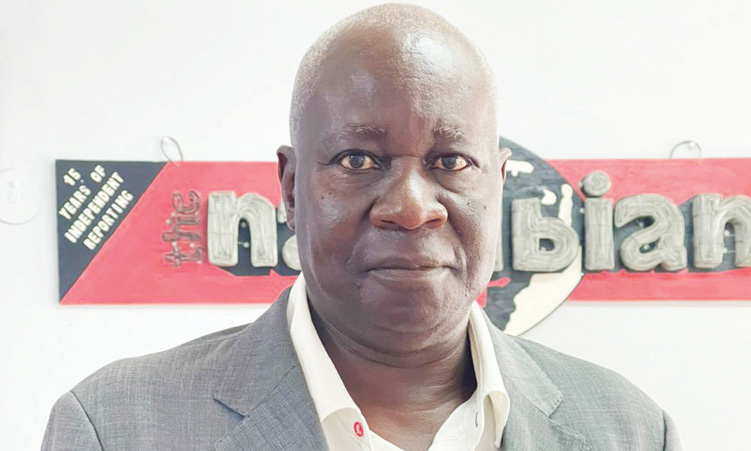
- Usutuaije Maamberua, descendant of the victims of the Ovaherero/Nama genocide, former member of parliament and former president of Swanu of Namibia.
In an age of information overload, Sunrise is The Namibian’s morning briefing, delivered at 6h00 from Monday to Friday. It offers a curated rundown of the most important stories from the past 24 hours – occasionally with a light, witty touch. It’s an essential way to stay informed. Subscribe and join our newsletter community.

The Namibian uses AI tools to assist with improved quality, accuracy and efficiency, while maintaining editorial oversight and journalistic integrity.
Stay informed with The Namibian – your source for credible journalism. Get in-depth reporting and opinions for
only N$85 a month. Invest in journalism, invest in democracy –
Subscribe Now!