



Namibia’s management of biological resources through access and benefit-sharing (ABS) is crucial for national sovereignty and resilience amid pandemics, climate shocks, and global competition.
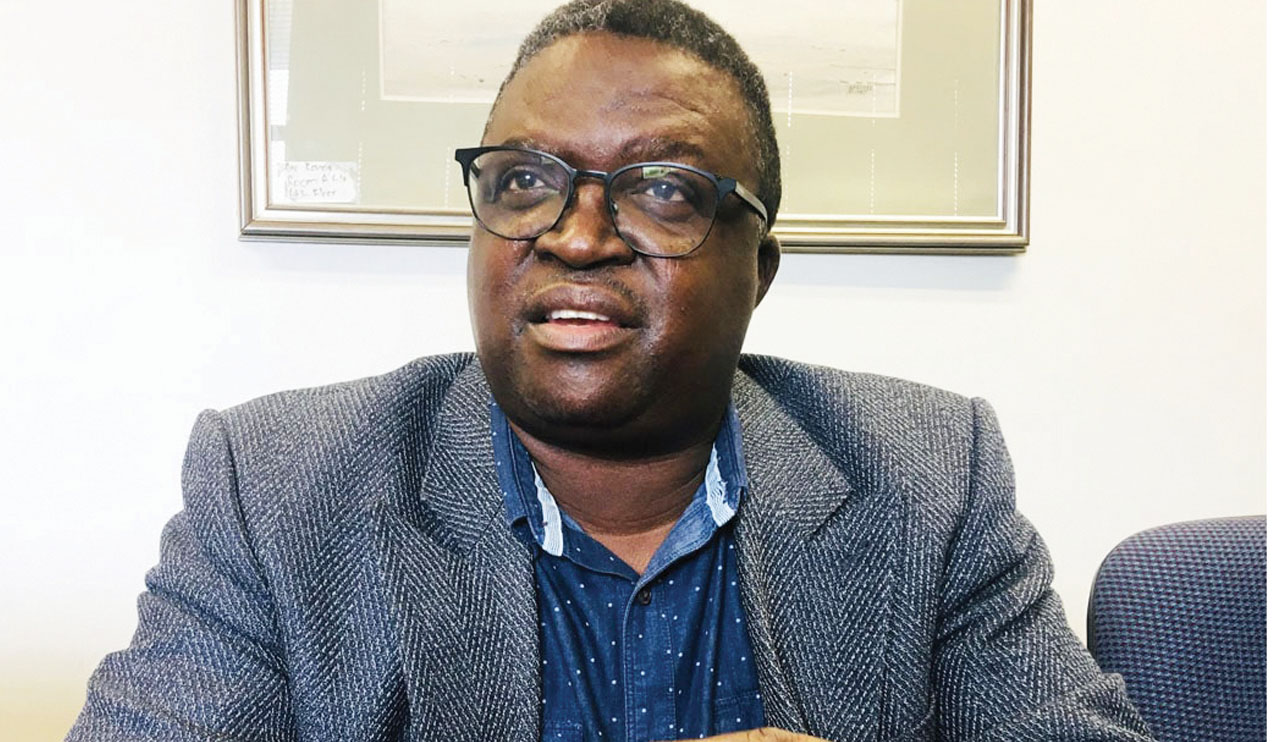
This is according to Dr Taime Sylvester, a researcher and senior lecturer in clinical health sciences at the Namibia University of Science and Technology.
Sylvester was speaking ahead of a national workshop on Environmental Stewardship and Gender Mainstreaming for State Resilience to Shocks and Disasters, to be hosted by the Ministry of Environment and Tourism at the Windhoek Country Club and Resort from 26 to 27 January.
She says Namibia’s ABS framework, which is guided by the Nagoya Protocol, treats the concept of genetic resources as including not only biodiversity but also biological materials held in hospitals, laboratories and disease surveillance systems.
She says this approach recognises that during pandemics, outbreaks and other shocks, such materials become strategic national resources that require careful stewardship.
“In times of pandemics and outbreaks, these materials are no longer just research inputs, but national assets,” Sylvester says.
She says weak governance during emergencies can result in biological materials leaving the country without clear benefit-sharing arrangements, leaving Namibia with little long-term gain from resources generated locally.
Sylvester says the country loses significant value in biological resource chains linked to pathogens, human biological samples and the data derived from them.
While samples often leave the country through research collaborations or health emergencies, she says the resulting knowledge, technologies and products are frequently realised elsewhere.
She says the loss is not only economic, but also undermines national resilience by externalising skills and scientific capacity.
To address this, Sylvester says priority interventions include building local analytical and research capacity, ensuring benefit-sharing obligations are clearly defined, and embedding development outcomes into access agreements.
She adds that communities and patients who contribute samples and data, particularly during research on diseases such as Covid-19 and tuberculosis, should become direct beneficiaries of that research.
“Stewardship requires that these contributions translate into lasting benefits, including skills, infrastructure and access that remain in the country,” she says.
On coordination, Sylvester says accountability for biological resources should be shared across health, environmental, research and policy sectors, but clear leadership is essential, particularly during disease outbreaks.
She says the establishment of a dedicated ABS coordinating mechanism would strengthen oversight, negotiation and accountability, especially in relation to pathogens.
“This allows the country to move from reactive crisis management to proactive stewardship,” she said.
In an age of information overload, Sunrise is The Namibian’s morning briefing, delivered at 6h00 from Monday to Friday. It offers a curated rundown of the most important stories from the past 24 hours – occasionally with a light, witty touch. It’s an essential way to stay informed. Subscribe and join our newsletter community.

The Namibian uses AI tools to assist with improved quality, accuracy and efficiency, while maintaining editorial oversight and journalistic integrity.
Stay informed with The Namibian – your source for credible journalism. Get in-depth reporting and opinions for
only N$85 a month. Invest in journalism, invest in democracy –
Subscribe Now!