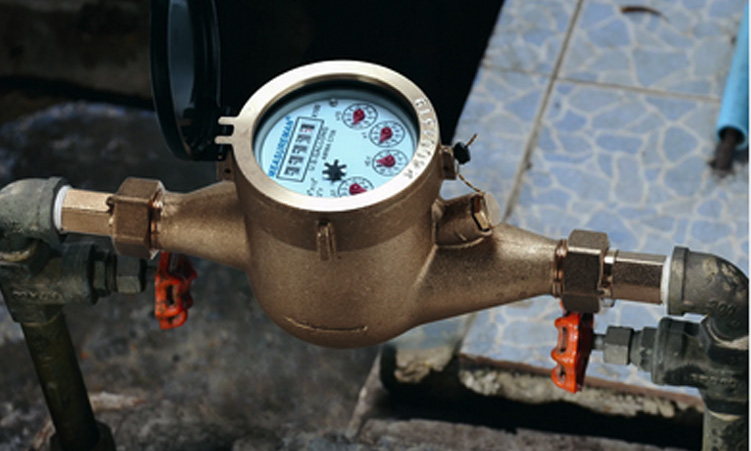




NAMIBIA’S new hydrogeological map comes at an important time in the southern African region’s efforts towards protecting and making use of groundwater.
According to minister of agriculture, water and land reform Calle Schlettwein, 60% of the water used in Namibia comes from groundwater.
“It sustains lives, livelihoods, industry and businesses.
“As a semi-arid country that is highly vulnerable to climate change and variability, evidence-based sustainable management of groundwater resources is a necessary condition as the country implements its socio-economic development agenda across generations,” Schlettwein said at the launch of the map last week.
As a party to the Southern African Development Community (SADC) Groundwater Management Institute, grant funding of US$150 000 (approximately N$2,24 million) allocated to Namibia was used towards collating old and new hydrogeological data, which is immensely important for planning and managing groundwater resources sustainably, Schlettwein said.
“These data sets and resultant maps are indeed a jewel in Namibia’s information base, which greatly improves our ability to remain on the forefront,” he said.
This comes at a time that the SADC has identified groundwater as an easily accessible source, and has said it should be prioritised as it is less polluted and does not need extensive equipment for treatment.
Participants at the ninth SADC River Basin Organisations and Shared Watercourse Institutions workshop held under the theme ‘Promoting Inclusive and Collaborative Transboundary Water Financing for Sustainable Industrial Development’ last month agreed water is a critical factor to support SADC regional integration and industrialisation.
Schlettwein said Namibia is at the forefront of several aspects of water utilisation and management.
According to him, the country can pride itself in outstanding water quality.
“Water supplied to households is adhering to international water quality standards and can be consumed without any further treatment. Indeed a great achievement and not found commonly on the African continent,” he said.
He explained that the City of Windhoek’s water reclamation works is a world first, and with the planned upgrading will remain ahead of the rest.
“We have started with artificial water recharge in aquifers that supply Windhoek.
“With such an approach, we can utilise surface water resources, such as dams that supply Windhoek with water, much more efficiently and improve the yields by reducing losses through evaporation.”
In an age of information overload, Sunrise is The Namibian’s morning briefing, delivered at 6h00 from Monday to Friday. It offers a curated rundown of the most important stories from the past 24 hours – occasionally with a light, witty touch. It’s an essential way to stay informed. Subscribe and join our newsletter community.

The Namibian uses AI tools to assist with improved quality, accuracy and efficiency, while maintaining editorial oversight and journalistic integrity.
Stay informed with The Namibian – your source for credible journalism. Get in-depth reporting and opinions for
only N$85 a month. Invest in journalism, invest in democracy –
Subscribe Now!