



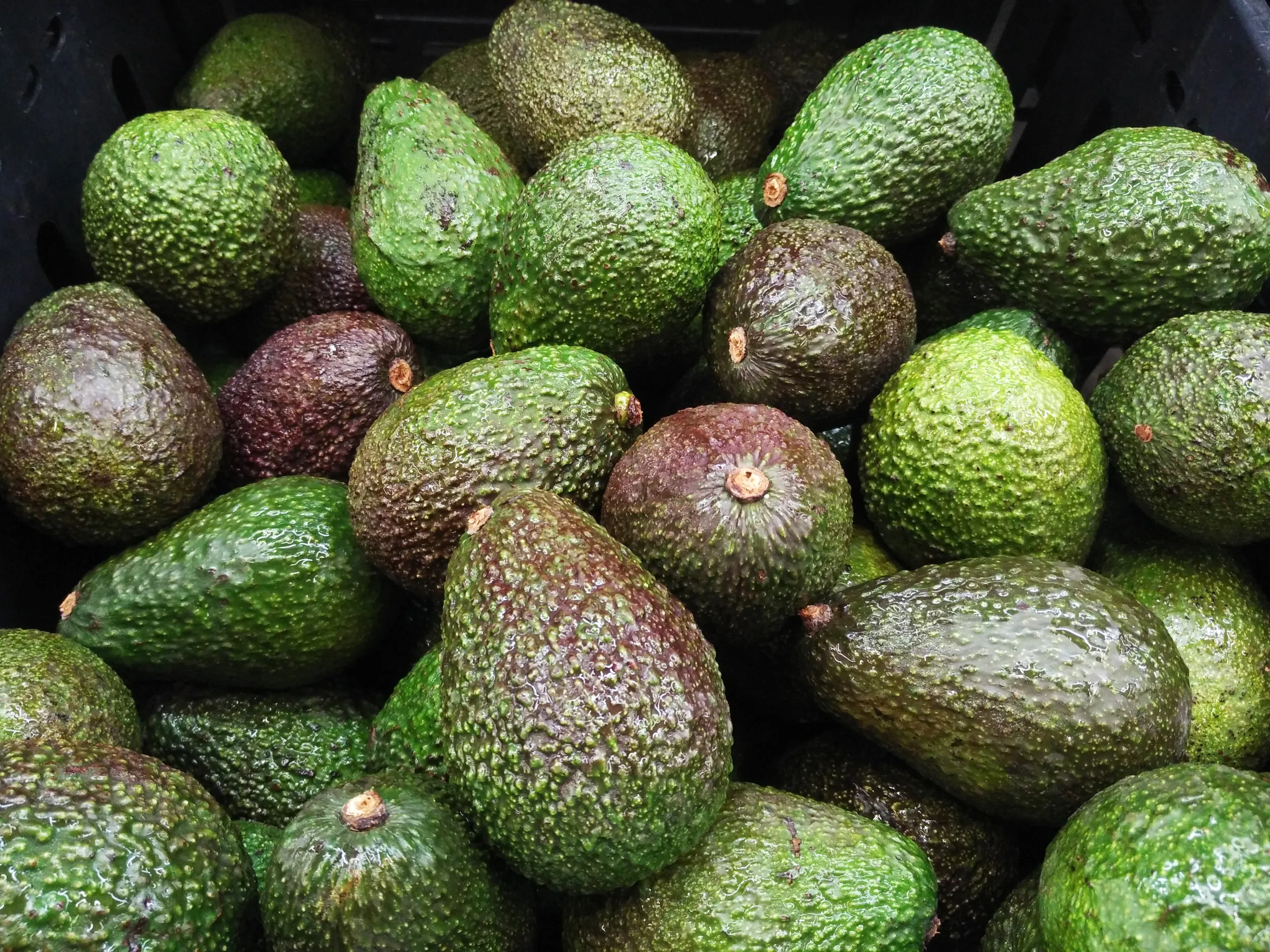
Twenty-four tonnes of avocados from Zambia are being exported through Walvis Bay to Europe, in a move that could position Namibia as a regional logistics hub and shift an export process traditionally handled through Cape Town.
The pilot shipment, carried out by the company Transworld Cargo, involves 24 tonnes of avocados moved in a single controlled atmosphere (CA) container, and is expected to pave the way for significantly larger volumes in the next export season.
Transworld Cargo manager Fritz Kaufmann says the initiative is the result of more than a year of planning and engagement with Zambian farmers and logistics partners.
“This process started more than a year ago. It’s not a new concept to move cargo, but moving it through our corridors to Walvis Bay and linking it efficiently to global markets is what makes this different,” Kaufmann says.
The avocados are en route for Rotterdam, with the shipment expected to depart within three days and reach Europe in approximately 25 days.
Kaufmann says Walvis Bay offers a faster and more reliable alternative to traditional export routes through South Africa.
“From Walvis Bay we can move northbound directly to Europe. It’s a much easier route than going all the way down to Cape Town, where there are serious challenges,” he says.
He says some of the challenges relate to the weather.
“If Cape Town is weather-bound, no ships can load. Last year that was a devastating blow to the grape and fruit industries. When cargo stops moving, the entire value chain suffers.”
Traditionally, produce is transported by lorries to packing houses, where it is repacked into refrigerated containers. However, the pilot project introduced a more efficient system by taking the container directly to the farm.
“We brought the container to the farm and loaded the product directly into it, which eliminates unnecessary handling and temperature changes,” Kaufmann explains.
The CA containers maintain strict climate conditions to delay ripening and preserve quality during transit.
“You don’t want the fruit to ripen too quickly. The container controls oxygen and carbon dioxide levels to slow that process and keep the avocados firm until they reach the market.”
While the pilot project involved just one container, Kaufmann revealed that the potential scale is far greater.
He says from one specific farm alone, the company is looking at about 120 containers per year.
“There is definite expansion into citrus and blueberries, the demand is there.”
BORDER DELAYS
Despite the success, Kaufmann highlights serious bottlenecks at border posts.
“We stand at borders for hours, sometimes the system is down, and everyone must wait, even if you’re carrying fresh produce.”
He says perishable goods should be prioritised.
“If you’re transporting food, you should be moved to the front. Every delay affects the quality of the product.”
In an age of information overload, Sunrise is The Namibian’s morning briefing, delivered at 6h00 from Monday to Friday. It offers a curated rundown of the most important stories from the past 24 hours – occasionally with a light, witty touch. It’s an essential way to stay informed. Subscribe and join our newsletter community.

The Namibian uses AI tools to assist with improved quality, accuracy and efficiency, while maintaining editorial oversight and journalistic integrity.
Stay informed with The Namibian – your source for credible journalism. Get in-depth reporting and opinions for
only N$85 a month. Invest in journalism, invest in democracy –
Subscribe Now!