Namibia faces growing threats from biological, technological, societal, and environmental hazards, prompting the launch of a national plan to strengthen emergency preparedness and response.
These hazards not only threaten lives, but also impact the country’s economy, infrastructure, and environment.
This is according to the newly launched National Multi-Hazard Health Emergency Preparedness and Response Plan (2024), which outlines key risks and response strategies.
“A risk assessment for the country was conducted by a multisectoral team, using the World Health Organisation (WHO) Strategic Tool for Assessing Risk (Star) in 2021,” the plan states.
Previous risk assessments, including the Threat Hazard Identification Risk Assessment in 2017 and the Vulnerability Risk Assessment and Mapping in 2019, produced results consistent with those of the Star.
The response plan identifies several biological hazards, including cholera, Ebola, Covid-19, rabies, hepatitis E, Crimean-Congo haemorrhagic fever, novel influenza-like illnesses, anthrax, Rift Valley fever, and bacterial meningitis.
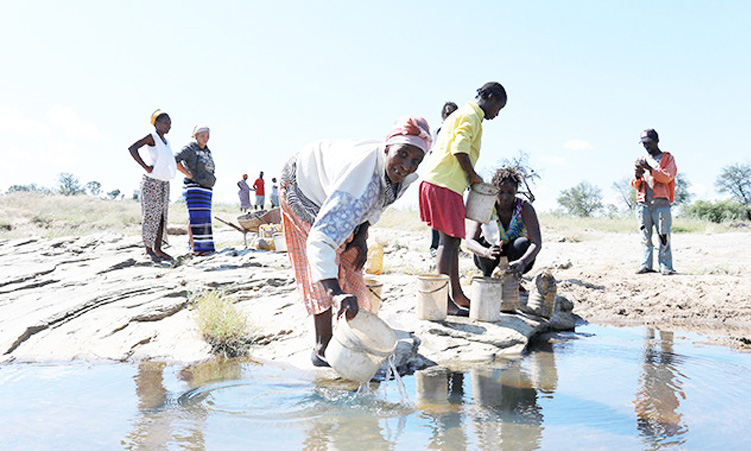
It also highlights natural hazards such as earthquakes, droughts, flash floods, coastal and river flooding, cold fronts, and wildfires.
In addition, the plan addresses technological and societal risks, including mine accidents, structural fires, exposure to medical industrial radioisotopes, sulphuric acid spills, motor vehicle accidents, and sewage.
The Ministry of Health and Social Services, in collaboration with various stakeholders, will be responsible for implementing preparedness measures. These include strengthening disease surveillance systems, improving emergency response infrastructure, and increasing public awareness to reduce disaster risks.
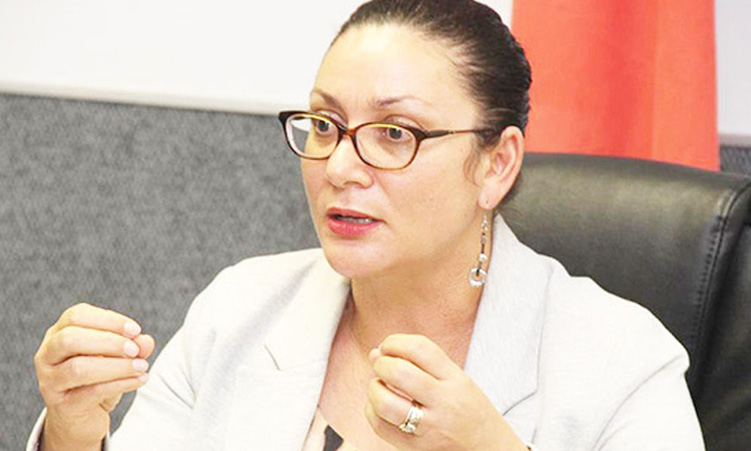
Health minister Kalumbi Shangula has described the plan as a vital tool to safeguard public health, calling on all sectors to actively participate in its execution.
“This framework will ensure that Namibia is well prepared to detect, respond to, and recover from any public health emergency, ultimately protecting lives and livelihoods,” he says.
The launch of the plan follows ongoing concerns about Namibia’s susceptibility to climate change, urban expansion, and economic instability, which have exacerbated the frequency and severity of disasters.
The Namibian has previously reported on several public health crises, including the hepatitis E outbreak that disproportionately affected informal settlements, the impact of Covid-19 on healthcare facilities, and the rise in suicide cases in the country linked to economic hardship.
Namibia has also faced challenges such as water contamination in Windhoek’s informal settlements and increasing mental health concerns due to climate-related displacement.
In an age of information overload, Sunrise is The Namibian’s morning briefing, delivered at 6h00 from Monday to Friday. It offers a curated rundown of the most important stories from the past 24 hours – occasionally with a light, witty touch. It’s an essential way to stay informed. Subscribe and join our newsletter community.

The Namibian uses AI tools to assist with improved quality, accuracy and efficiency, while maintaining editorial oversight and journalistic integrity.
Stay informed with The Namibian – your source for credible journalism. Get in-depth reporting and opinions for
only N$85 a month. Invest in journalism, invest in democracy –
Subscribe Now!