NAMIBIA was certified free of Guinea worm disease in 2000 by the World Health Organisation, but with the ongoing transmission in Angola, especially in a province so close to the Namibia-Angola border, Namibia cannot rest on its laurels.
These were some of the statements made at the cross-border meeting held at Ongwediva on Monday between Namibia and Angola to strengthen surveillance for Guinea worm disease (GWD), hepatitis E, and other communicable diseases.
The meeting started on Monday, and ends on Friday.
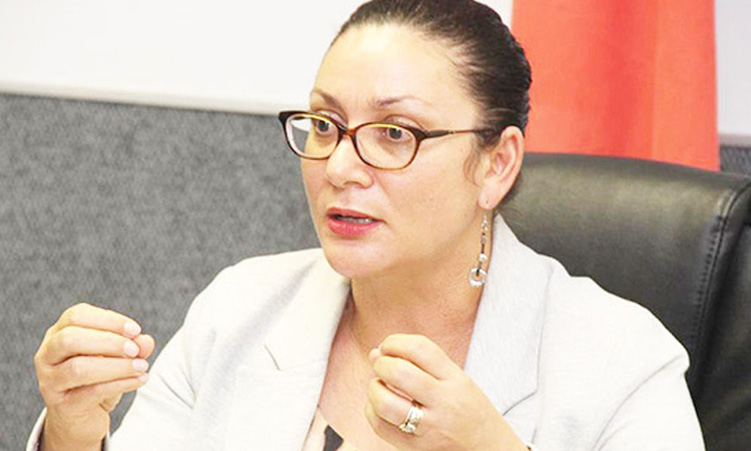
According to health minister Kalumbi Shangula, Namibia and Angola are signatories to the International Health Regulations (IHR) 2005, which mandates member states to strengthen capacities for health security.
“This can only materialise through cross-border collaboration, and it is noted with concern that there is increased cross-border and international travel. There is also rapid population growth leading to high population density, and unplanned urbanisation, creating conditions that are conducive for the spread of diseases,” he stated.
A health specialist on neglected tropical diseases/dracunculiasis Eradication, Andrew Seidu Korkor, told the meeting that five years ago, the world committed itself to control, eliminate or eradicate 10 NTDs by 2020.
“The story of neglected tropical diseases (NTDs) is one of great progress and remaining challenges. Since then, tremendous success stories have been received from around the world. If we are serious about universal health coverage, we must intensify our efforts and our commitment to control, eliminate or eradicate these diseases by 2020, “ Korkor reiterated.
He added that NTDs are a diverse group of communicable diseases which prevail in tropical and subtropical conditions in 149 countries – affecting more than one billion people, and costing developing economies billions of dollars every year.
“Populations living in poverty, without adequate sanitation and in close contact with infectious vectors and domestic animals and livestock, are the worst-affected. By implementing the NTD regional strategy and regional strategic plan 2014-2020, and supporting member states to implement their national NTD master plans 2016-2020, and annual action plans for 2018 and 2019, the regional NTD programme is targeting to eradicate two diseases (Guinea worm disease and yaws), to eliminate or sustain the elimination of five other conditions (human African trypanosomiasis, leprosy, lymphatic filariasis, blinding trachoma and onchocerciasis), and to advance the control of four other NTDs (buruli ulcer, leishmaniasis, schistosomiasis and soil-transmitted helminthiasis,” he observed.
According to the WHO, Guinea worm disease, or dracunculiasis, is a parasitic disease that is transmitted through drinking stagnant water that has been contaminated with a tiny parasite-infected flea. Once inside the body, the larvae mature into worms that grow up to a metre in length.
The parasite migrates through the victim’s subcutaneous tissues, causing severe pain, especially when it occurs in the joints. The worm eventually emerges (from the feet in most of the cases), causing an intensely painful oedema, a blister and an ulcer accompanied by fever, nausea and vomiting.
When a person drinks contaminated water from ponds or shallow open wells, the cyclops is dissolved by the gastric acid of the stomach, and the larvae are released and migrate through the intestinal wall. After 100 days, the male and female mate. The male becomes encapsulated and dies in the tissues, while the female moves down the muscle planes.
In an age of information overload, Sunrise is The Namibian’s morning briefing, delivered at 6h00 from Monday to Friday. It offers a curated rundown of the most important stories from the past 24 hours – occasionally with a light, witty touch. It’s an essential way to stay informed. Subscribe and join our newsletter community.

The Namibian uses AI tools to assist with improved quality, accuracy and efficiency, while maintaining editorial oversight and journalistic integrity.
Stay informed with The Namibian – your source for credible journalism. Get in-depth reporting and opinions for
only N$85 a month. Invest in journalism, invest in democracy –
Subscribe Now!