


Minister of works and transport Veikko Nekundi says the government has entered the next phase of implementing technology-based interventions to reduce road accidents.
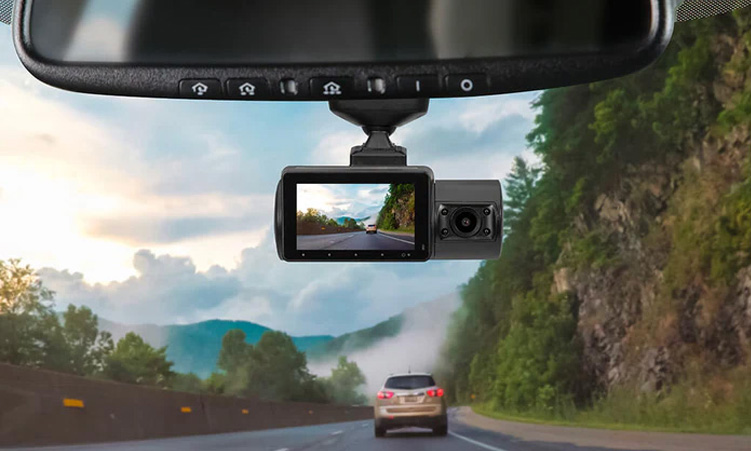
This includes the expansion of dashboard cameras (dashcams) along the roads.
Speaking to Desert FM last week, Nekundi said a nationwide study identifying accident hotspots and blind spots has been successfully completed, paving the way for the deployment of monitoring technologies on some of the country’s most dangerous roads.
“The task to identify hot spots and blind spots was completed successfully,” he said.
“We are now moving into the next phase, which focuses on determining the most effective technologies to deploy at these locations.”
As part of immediate interventions, law-enforcement vehicles have already begun receiving dashboard cameras to monitor reckless driving.
The minister revealed that the procurement process for an additional 112 dashcams has been finalised.
Of these, 50 dashcams will be installed in traffic police vehicles, 60 in ambulances, and two will be allocated to the National Road Safety Council.
Installation is expected to begin once delivery is completed, after which the authorities will start collecting real-time data to support enforcement action against dangerous driving.
“Our primary responsibility is to ensure zero road accidents caused by reckless driving,” Nekundi said.
“We cannot continue losing lives due to human behaviour on our national roads.”
The government has also launched a pilot project targeting crashes between vehicles and domestic animals – a major contributor to road crashes, particularly at night.
Nekundi said data analysis has identified the Oshana, Omusati and Khomas regions as the three areas with the highest number of animal-related accidents, resulting in estimated economic losses of about N$70 million.
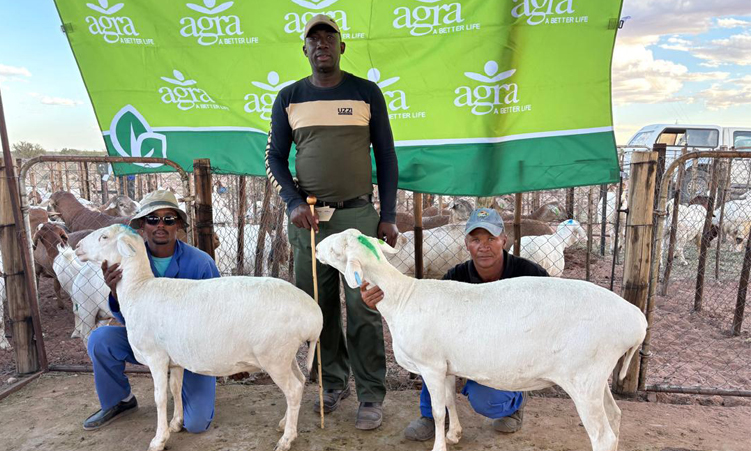
The ministry has introduced reflective ear tags and collars for animals to improve night-time visibility.
The pilot currently focuses on donkeys and cattle, with 20 000 reflective materials procured through a N$5-million budget, including 10 000 ear tags and 10 000 reflective collars distributed across the three regions.
By mid-year, the authorities will assess whether the intervention reduces accidents before expanding the programme nationwide to include sheep, goats and horses.
If proven effective, the government may amend regulations to require reflective identification for livestock, potentially integrating reflective materials into existing animal ear-tag systems supplied through agricultural programmes.
“We want measures that save lives, protect vehicles and safeguard the economy,” Nekundi said.
Beyond vehicle-mounted technology, the ministry is assessing live-streaming camera systems for installation at identified blind spots and accident hotspots.
Officials are currently evaluating equipment capable of operating reliably under Namibia’s harsh weather conditions, while producing legally admissible evidence for court proceedings.
The move forms part of a broader strategy to strengthen rapid law-enforcement response and accident prevention.
Nekundi further confirmed that the government is advancing plans to introduce mandatory dashcams, beginning with vehicles operating under transport permits such as taxis, buses, and trucks.
Public consultations conducted by the ministry indicate that more than 70% of Namibians support compulsory dashcams, he said.
To address privacy concerns, microphones would be disabled to prevent recording private conversations inside vehicles. The ministry is now consulting regulatory bodies to determine the legal mechanisms required to enforce the measure, either through amendments to existing legislation or new regulations.
“We are serious about these interventions,” Nekundi said.
“Every measure we introduce is aimed at saving lives, protecting assets, and reducing the economic impact caused by road crashes.”
In an age of information overload, Sunrise is The Namibian’s morning briefing, delivered at 6h00 from Monday to Friday. It offers a curated rundown of the most important stories from the past 24 hours – occasionally with a light, witty touch. It’s an essential way to stay informed. Subscribe and join our newsletter community.

The Namibian uses AI tools to assist with improved quality, accuracy and efficiency, while maintaining editorial oversight and journalistic integrity.
Stay informed with The Namibian – your source for credible journalism. Get in-depth reporting and opinions for
only N$85 a month. Invest in journalism, invest in democracy –
Subscribe Now!