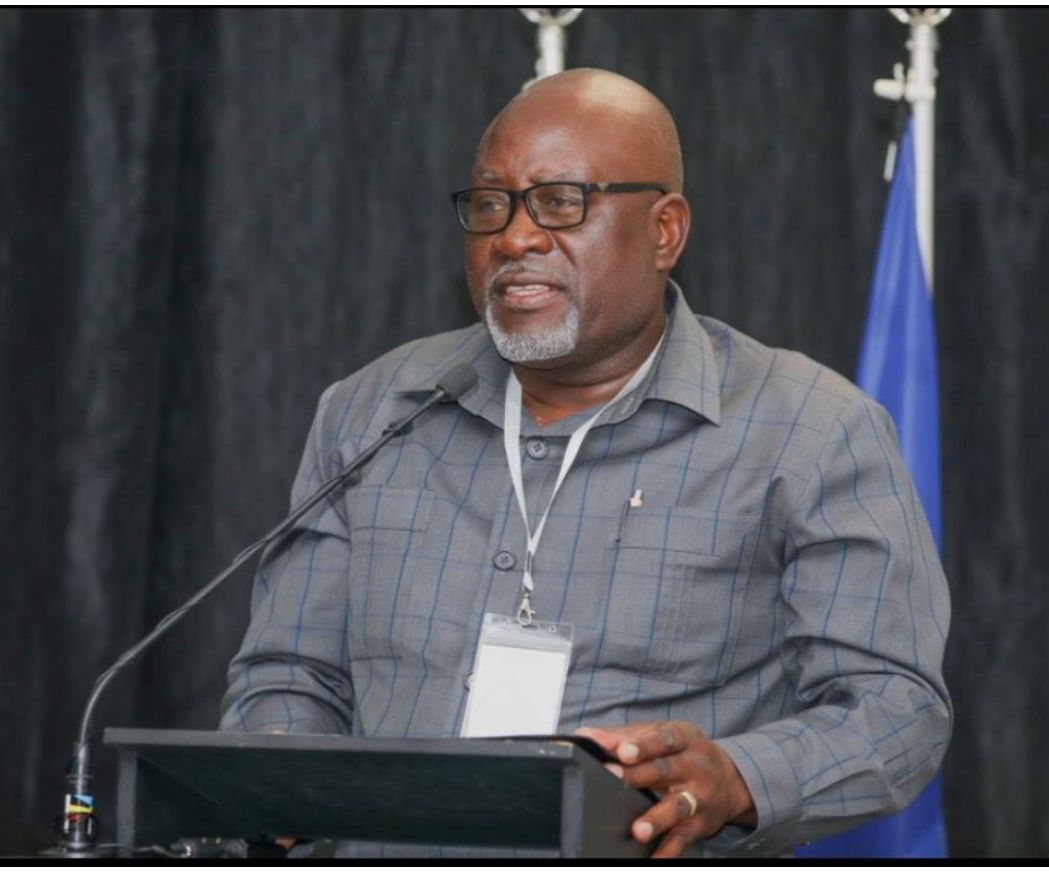







Response delivered by minister of urban and rural development James Sankwasa in the National Assembly, Windhoek, 18 September 2025
I rise to respond to the questions raised by Diederik Vries in the order that I am going to present as follows.
Question 1: Can the ministry provide evidence-based justification for the City of Windhoek’s proposed 3% residential electricity tariff increase, particularly considering the City’s claim that it already offers the lowest tariff in the country?
Answer/Response:
The proposed 4% average electricity tariff adjustment by the City of Windhoek aligns with NamPower’s approved 3.8% average tariff increase. This revision is necessary to ensure cost recovery in accordance with guidelines set by the Electricity Control Board (ECB), and to maintain the financial sustainability of the City’s electricity services.
The 4% domestic tariff application is primarily driven by a combination of the following factors:
- The NamPower bulk tariff increase,
- The non-cost-reflective nature of current city tariffs,
- Increased maintenance costs, and
- Chronic staff shortages amid the city’s ongoing growth and expansion.
Despite these pressures, the city remains committed to keeping electricity prices affordable while continuing to invest in reliable service delivery. This commitment is reflected in Windhoek’s current tariff levels, which remain among the lowest in Namibia.
Pre-paid tariff comparison
Namibia
- City of Windhoek: N$2.44/kWh
- Erongo Red: N$2.73/kWh
- Cenored: N$2.58/kWh
- OPE: N$2.63/kWh
South Africa
- City of Cape Town: R3.90/kWh
- eThekwini: R3.34/kWh
- eKurhuleni: R3.69/kWh
Question 2: Given the city’s assertion that increased costs are driven by 67% population growth and maintenance demands, what long-term infrastructure investment plans are in place to sustainably manage this pressure without recurring hikes?
Answer/Response:
The city is actively working to diversify its energy sources by incorporating more affordable alternatives, such as solar photovoltaic (PV) plants and rooftop PV systems. However, these sources alone are insufficient to significantly reduce the overall cost of electricity.
As the country’s primary electricity producer, only NamPower has the capacity to meaningfully reduce generation costs. The city of Windhoek merely acts as a distributor, purchasing electricity from NamPower and selling it to consumers. If the city were to sell electricity below the cost at which it purchases it, it would be unable to meet its financial obligations to NamPower. This in turn could compromise NamPower’s ability to pay its regional suppliers, destabilising the entire electricity sector and potentially leading to load shedding.
Therefore, maintaining cost-reflective tariffs is crucial. The Electricity Control Board’s scientific and regulatory framework ensures that electricity pricing remains fair and transparent. Any deviation from this framework risks undermining the integrity of one of Africa’s most stable electricity sectors.
Question 3: Has the ministry independently proposed tariff increases proportionate and not being used to cover inefficiencies within the city’s electricity operations?
Answer/Response:
The proposed increases are not intended to cover inefficiencies. The City of Windhoek’s Electricity Department is currently severely understaffed, with only about 60% of its approved positions filled. As a result, the available personnel are highly stretched and operating under considerable pressure.
According to the 2018 ECB study titled National Electricity Tariff Study for the Electricity Distribution Industry, as illustrated in Figure 13 below, a single staff member in the City of Windhoek’s Electricity Department serves approximately 525 customers. This figure is significantly higher than that of most large distributors in Namibia, reflecting the department’s efficiency despite limited staffing.
Figure 13: Connections served per employee
- Cenored: 167
- Erongored: 121
- Nored: 388
- Windhoek: 525
- OPE: 133
Furthermore, Figure 12 below of the same study highlights the cost incurred by the City of Windhoek in distributing electricity to end users. It shows that the City’s distribution costs are among the lowest in the country, which further demonstrates operational efficiency within the City’s electricity function.
Figure 12: Operating cost per kWh sold
[Chart showing operating cost per kWh for various utilities including Cenored, Erongored, Nored, Windhoek, OPE, Okahandja, Keetmanshoop, Lüderitz, Gobabis, Rehoboth, Mariental, Ruacana, Okakarara, Opuwo, NamPower, Naulila, Total/Average.]
Lastly, the City of Windhoek’s total electricity losses are approximately 6%, a rate considered excellent when benchmarked against both local and international electricity distributors.
It is, therefore, incorrect to suggest that the proposed tariff increase is intended to cover inefficiencies. The ECB does not permit the recovery of operational inefficiencies through tariff increases.
Question 4: What specific measures will be implemented to shield vulnerable groups, including pensioners and low-income households, from the financial strain of increased electricity tariffs?
Answer/Response:
The City employs cross-subsidisation strategies to support consumers who qualify for assistance under national policies, subject to ECB approval. Pensioners registered under the special tariff category currently pay just N$1.67/kWh for the first 250 units per month, compared to the standard rate of N$2.47/kWh, making basic electricity needs more affordable.
To increase accessibility, the city encourages pensioners to switch from post-paid to pre-paid meters. Pre-paid meters offer better cost control and transparency, particularly beneficial for low-income households. A public awareness campaign is underway to help residents make informed choices between metering systems based on their usage patterns.
Question 5: In light of frequent annual requests for electricity increases where 10.4% was proposed last year and 4% this year – does the city consider introducing a cap on annual tariff adjustments to help ensure affordability and sustainability for residents?
Answer/Response:
Unfortunately, electricity tariff adjustments cannot be stopped randomly, as they are driven by underlying costs of generation, transmission, and distribution. Since NamPower sources a significant portion of its electricity from Eskom, any increase in Eskom’s prices directly affects NamPower and, by extension, all downstream distributors including the City of Windhoek.
Introducing a cap without a compensatory government subsidy would jeopardise the financial viability of NamPower, the City of Windhoek, and the broader electricity sector. Such a move would risk undermining electricity reliability and affordability in the long term.
To protect the sector’s integrity, Namibia relies on the ECB’s cost-reflective pricing model, which ensures that tariffs cover the actual costs incurred. Unless government subsidies are introduced to cover the shortfall, enforcing a cap would result in financial instability and a potential collapse of the electricity supply chain.
I so submit.