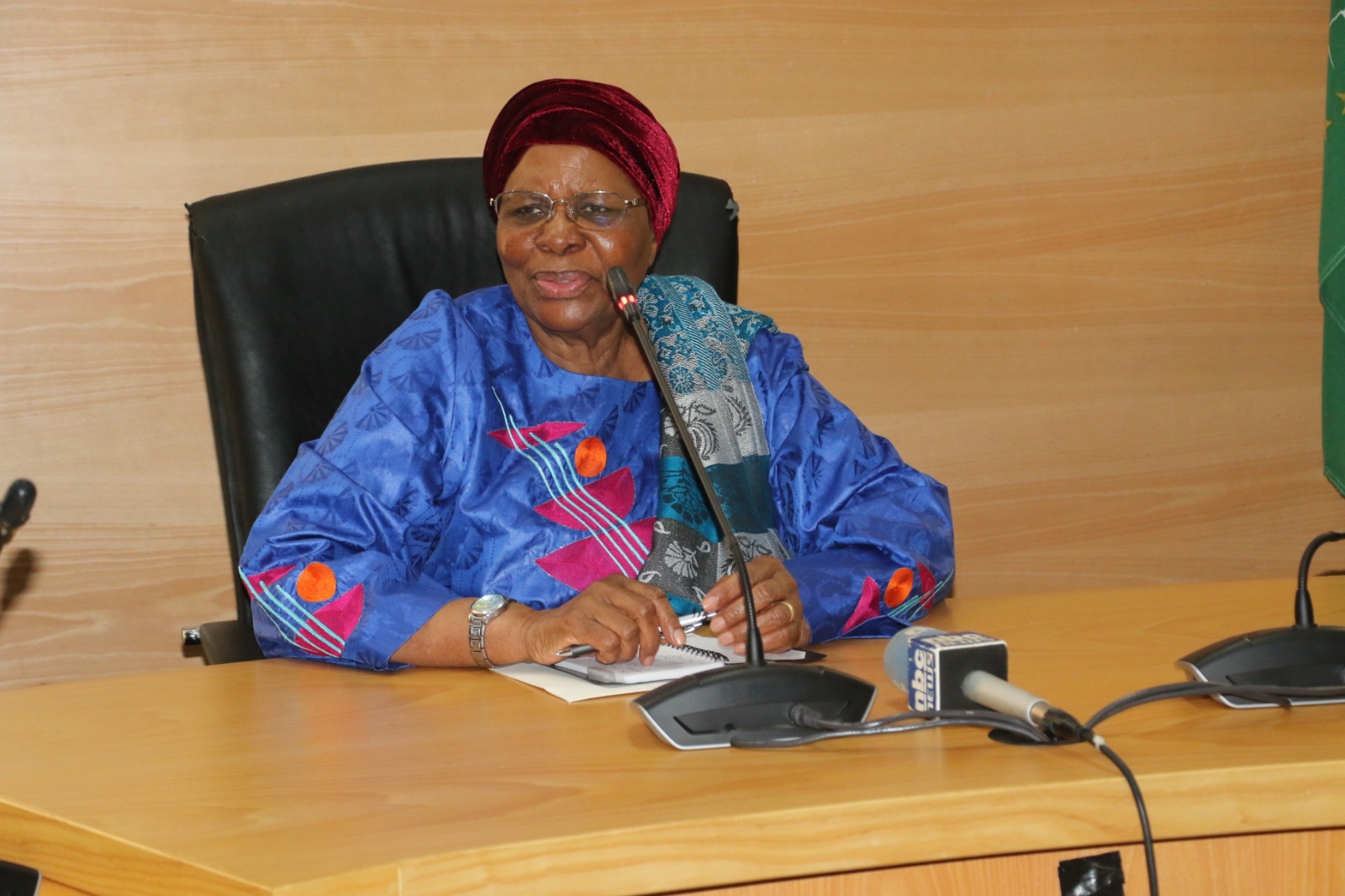





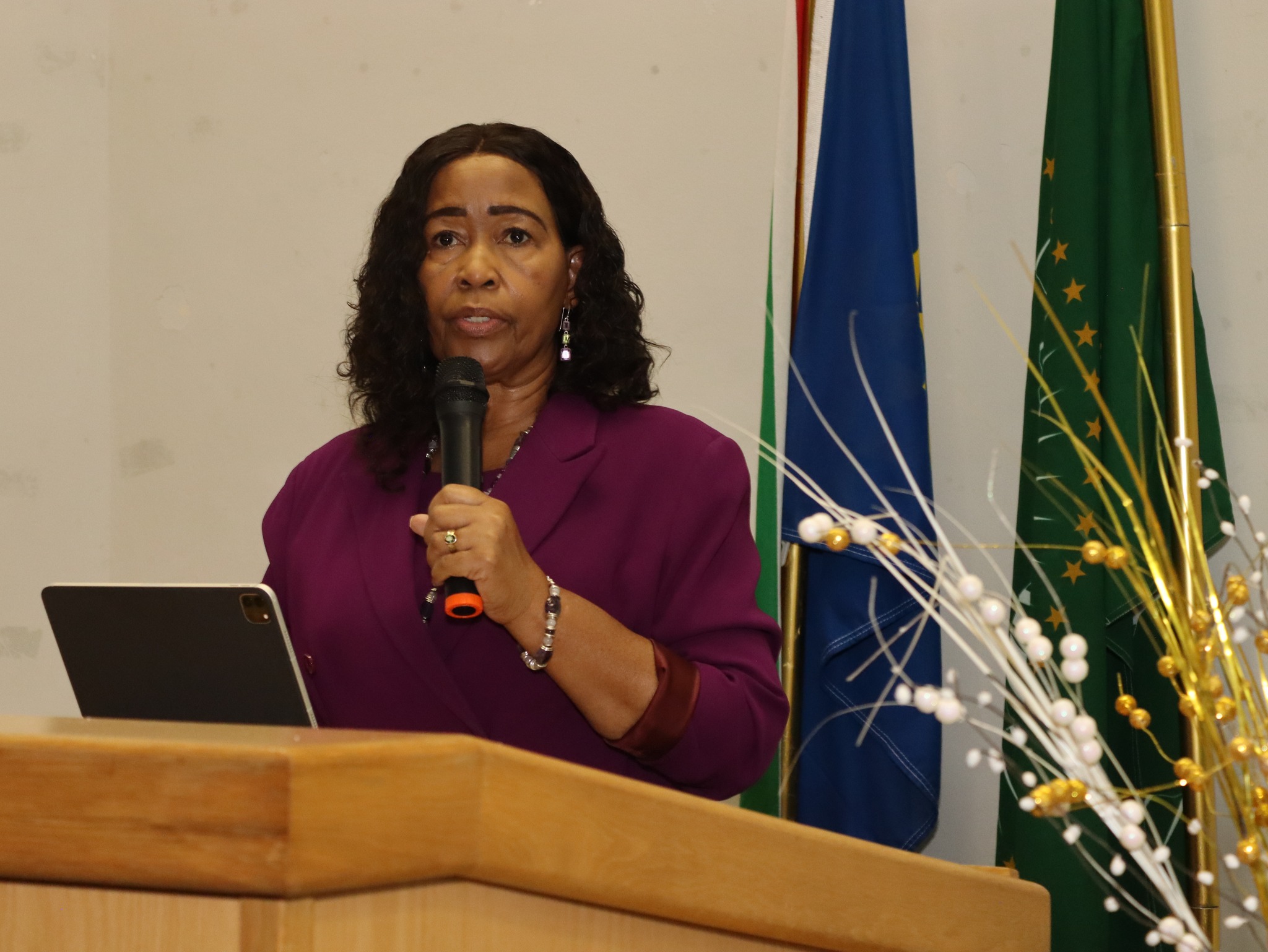
Keynote address by Inge Zaamwani, minister of agriculture, fisheries, water and land reform, during the official handover of Hope Farm project phase II. Farm Daweb, Usakos, 23 March 2026.
___________________________________________________________
Good morning.
We are once again gathered today at Farm Daweb, less than a year since the inauguration of the Hope Farm project, to review progress and celebrate the successful completion of phase I and II. This project benefited 48 farmers, of whom 22 are women and 26 are men.
On 26 July 2025, we were here to inaugurate phase I of the Hope Farm project. That moment marked the beginning of a bold and hopeful journey in the transformation of our cooperatives and their members. Today, we are here to see how that milestone has grown into measurable progress as we mark the end of the Hope Farm project in the Erongo region as we transition to the next region.
The inauguration of the Hope Farm project signalled the commencement of a process rooted in partnership and shared conviction between Swakop Uranium and the ministry that rural livelihoods can be strengthened through practical, community-driven initiatives.
Beyond policies, programmes and institutional responsibilities, agriculture remains a bread-and-butter endeavour. It is about ensuring that families have food on the table, that our country is food secure, and that we produce what we eat and rely less on imports for our staple food. We need to ensure that our rural communities are adequately capacitated and skilled to take care of their production value chain.
Agriculture remains the top priority for the eighth administration, standing at the summit of both the sixth national development plan and the Swapo party manifesto implementation plan. The government is committed to ensuring food security, rural development and agricultural productivity. These efforts are aimed at advancing agriculture as an enabler for value addition, poverty reduction, inclusive growth and employment creation.
The project completion directly aligns with the ministry’s small livestock support revolving programme, which has been implemented since 2009 in all regions, focusing on sheep and goats as a critical initiative aimed at boosting the livelihoods of communal farmers, enhancing food security and building resilience. To date, a total of 819 farmers have been supported, receiving 16,380 ewes and 819 rams since the programme’s inception. Our support is not limited to farmers in the livestock sector; it extends to farmers in the horticulture sub-sector with subsidised ploughing services, fertiliser, seeds and technical support through capacity development across all regions.
Under the Hope Farm project, a total of 1 008 goats and sheep have been handed over to well-organised cooperatives throughout this region. The progress achieved within just one production cycle is a far cry from where we began and has surpassed our expectations.
The initial herd has increased from 630 to 751 animals, clear evidence of responsible management, dedication and the beneficiaries’ readiness to embrace training, veterinary support and improved husbandry practices. This growth is far more than a statistical milestone; it stands as a powerful demonstration of what becomes possible when communities, government and the private sector unite behind a shared vision for our national development.
When I see these results, I see more than numbers. I see resilience. I see determination. I see communities taking ownership of their development and shaping their own future with confidence and pride. By deliberately focusing on women, youth and underprivileged households, the Hope Farm project strengthens the very foundation of our rural economy and ensures that no one is left out in Namibia’s development journey. The ministry is committed to making a difference in the lives of our farmers who are toiling daily under difficult conditions such as rain, cold or heat to ensure they put food on their tables. Our deliberate focus should be empowering women, and this project is evident in having benefited 22 women out of 48 beneficiaries. I urge that in future, consideration should also be given to youth farmers, both male and female, and underprivileged households.
To our beneficiaries, I want to say this: your success is Namibia’s success. The care you give to your livestock, the discipline you apply within your cooperatives, and the responsibility you demonstrate in sustaining this revolving model will determine how far this initiative can reach and attract more partnerships. I urge you to continue working together, support one another and manage your resources wisely and with foresight.
You are expected to return a portion of livestock after the agreed two-year period to support new beneficiaries. You are therefore becoming active partners in the development of the country. Thirty-six years after independence, as a country we have come of age. We should be independent in that we assist the government, as opposed to asking what our country can do for us. By helping to extend opportunities to others, you ensure that the benefits of this initiative continue to multiply. This is the true spirit of sustainable development: a model where today’s beneficiaries become tomorrow’s enablers, and where progress is continuously shared. It is important to note that this occasion is taking place on Farm Daweb West, which is one of the success stories under the resettlement programme. I wish to commend the Omkhaibasen Farmers Cooperative for managing the farm productively. This example must be emulated across all resettled farms in the country.
This initiative reflects the spirit of Ubuntu, the understanding that our humanity is bound together, that our well-being is interconnected, and that social harmony and restorative justice are essential pillars of our community life.
I therefore wish to extend my sincere appreciation to the Swakop Uranium Foundation and the ministry officials responsible for extension services, our veterinarians and all partners who have made this initiative possible. The ministry officials have been instrumental in ensuring that there is value for money through sourcing quality animals and supporting beneficiaries. This project stands as a powerful example of what can be achieved when the government and the private sector work hand in hand for community development. As we embark on a public-private partnership through a memorandum of understanding that needs to be signed between the ministry, Swakop Uranium and other partners to grow this initiative, we are confident it will strengthen the programme as intended to assist our farmers across all regions in the quest to address food security.
It is my hope that other partners and stakeholders will be inspired by this project to join such transformative efforts in the near future, so that together we may broaden the reach and deepen the impact of initiatives like this one.
As I conclude, let us remember that agriculture remains one of the most powerful tools at our disposal to transform rural livelihoods and uplift communities. Today, we are not merely celebrating the official handover of Hope Farm phase II and the distribution of livestock; we are celebrating hope restored, responsibility embraced and progress made visible. We are celebrating the strengthening of families, the empowerment of cooperatives and the building of a more resilient rural economy through unity of purpose, shared responsibility and unwavering commitment.
As we continue to celebrate 36 years of unity, freedom and justice, I wish you continued strength and renewed commitment to the ideals that define our nation.
I thank you.
In an age of information overload, Sunrise is The Namibian’s morning briefing, delivered at 6h00 from Monday to Friday. It offers a curated rundown of the most important stories from the past 24 hours – occasionally with a light, witty touch. It’s an essential way to stay informed. Subscribe and join our newsletter community.

The Namibian uses AI tools to assist with improved quality, accuracy and efficiency, while maintaining editorial oversight and journalistic integrity.
Stay informed with The Namibian – your source for credible journalism. Get in-depth reporting and opinions for
only N$85 a month. Invest in journalism, invest in democracy –
Subscribe Now!