



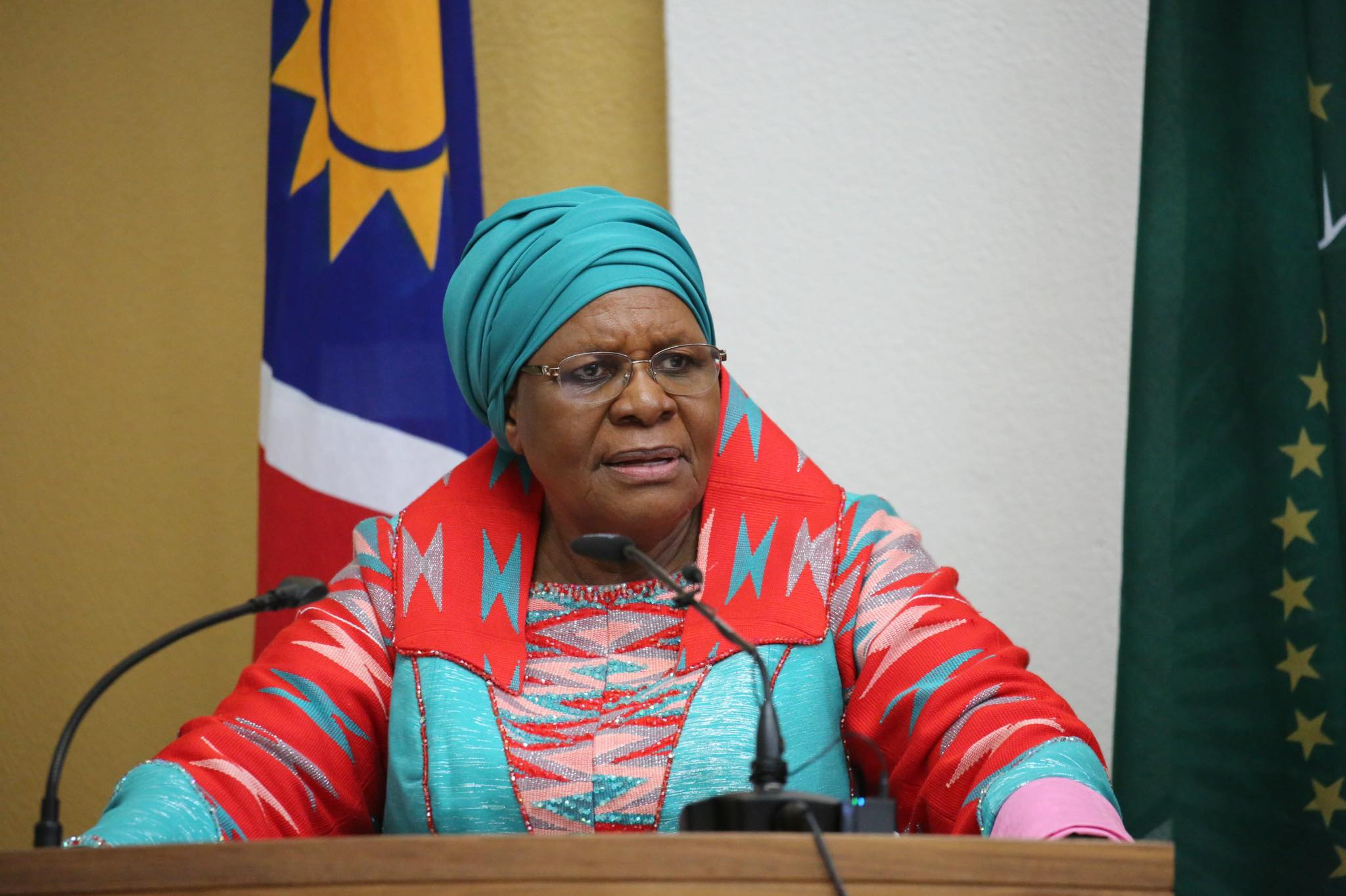
President Netumbo Nandi-Ndaitwah at the opening of the Chamber of Mines Mining Expo and Conference, Windhoek Showgrounds, 5 August 2025
Mining is increasingly central to our national development ambitions.
Despite significant global headwinds and a contraction of 1.2% in 2024, the mining sector remains the bedrock of the Namibian economy. The industry generated N$52.3 billion in revenue, contributed 13.3% to our gross domestic product (GDP), and created over 2 600 new jobs, bringing total direct employment to 20 843 – a 14.6% increase from the previous year.
In addition to job creation, the sector made a substantial contribution to the local economy through procurement. In 2024, mining companies spent N$23.94 billion on goods and services from Namibian businesses, representing 46.2% of the industry’s total revenue and 62% of total procurement. This level of local procurement is a powerful driver of inclusive economic growth, supporting thousands of Namibian-owned enterprises across the country.
The sector also contributed N$5.62 billion to the national fiscus through taxes, royalties and levies, despite a decline from the previous year due to weaker diamond revenues. This includes N$3 billion in corporate taxes, N$2.26 billion in royalties and N$360 million in export levies.
These achievements are not just numbers. They represent livelihoods, opportunities and the growing confidence in Namibia as a stable and attractive mining destination. They also reflect the sector’s alignment with our broader national goals, particularly the NDP6, which prioritises industrialisation, inclusivity and sustainable economic growth.
Despite ongoing geopolitical headwinds and an uncertain global economic outlook, Namibia’s mining sector continues to demonstrate resilience and promise. The country remains one of Africa’s top destinations for exploration and mining investment, and its prominence is steadily growing. This investor confidence is clearly reflected in the actions of Chamber of Mines members, who increased their total exploration expenditure by an impressive 38.1% in 2024. This represents a total of N$1.23 billion – a record since independence.
Among the most promising areas of growth are the uranium and gold sub-sectors, which are rapidly emerging as key pillars of our resource economy. In alignment with the global clean energy transition, many countries have embraced nuclear power as a sustainable and carbon-neutral baseload energy source. This shift has revitalised the uranium market, following more than a decade of subdued prices after the Fukushima incident.
Namibia is currently ranked as the world’s third-largest producer of uranium and is exceptionally well positioned to capitalise on this momentum. The recent recommissioning of the Langer Heinrich Uranium Mine, along with accelerated developments at the Tumas and Etango uranium projects, signals a new era of growth. These projects are not only creating jobs and boosting exports, but also reaffirming Namibia’s strategic role in the global energy landscape.
In the gold sector, we eagerly anticipate the development of Namibia’s third gold mine, which will further diversify our mineral portfolio and stimulate economic activity. Coupled with an improving global commodity price environment, these developments open the door to numerous exciting projects across various mineral sub-sectors, each offering new opportunities for investment, employment and national development.
However, to fully realise this growth trajectory and maintain our competitive edge, swift progress is needed to finalise the minerals bill. This critical piece of legislation will modernise Namibia’s mining framework, making it more transparent, predictable and fit for purpose.
It will enhance investment attractiveness by providing clarity on licensing procedures, ownership structures and regulatory obligations – key decision-making factors for both domestic and foreign investors.
More importantly, the bill will align Namibia’s regulatory environment with evolving global expectations around environmental stewardship, social accountability and responsible resource governance. Its timely enactment will send a strong signal that Namibia is ready to lead in building a modern and inclusive mining sector.
The pressing question before us is this: how can Namibians meaningfully benefit from the growing opportunities in the mining sector?
As highlighted earlier, a substantial portion of mining revenue already circulates within our borders, with local procurement averaging between 60% and 80% of total procurement across the industry. This is a strong foundation, but we can, and must, do more. There remains significant untapped potential in the local production of goods and services required by the mining sector. This is where Namibian entrepreneurs can step in – not just as service providers, but as innovators, manufacturers and commercial partners in the mining value chain.
Last year, at this very event, we launched the National Database of Mining Goods and Services, a transformative initiative designed to help Namibian entrepreneurs identify and access commercial opportunities within the sector. This database is open and accessible to all who are willing to engage with it. It is a tool for empowerment, and I urge all Namibians to take full advantage of it.
Fellow Namibians, the time is now to seize these opportunities, to take ownership, to innovate, and to participate not only as employees but as beneficiaries and business owners in our mining economy.
To support this vision, I call upon all responsible government ministries and departments, financial institutions – including development banks – educational institutions, and our development partners to provide the necessary support. This includes access to finance, technical assistance and capacity-building to help Namibians develop viable business proposals and bring them to life.
This approach – deepening local participation in the mining supply chain – is one of the most effective ways to ensure that the benefits of our mineral wealth are shared broadly. It complements the employment and skills development opportunities already being created and strengthens our national commitment to inclusive, sustainable growth.
Allow me now to reflect on what the mining industry continues to do beyond the mining gate, in the communities where it operates and across the broader Namibian society.
Over the past decade, the mining sector has collectively invested N$1.715 billion in corporate social responsibility initiatives and N$1.781 billion in skills development.
These contributions go far beyond charitable donations – they represent long-term, strategic investments in the well-being and resilience of our people. Across the country, mining companies have supported the development of critical infrastructure in their host communities, including healthcare facilities, schools, water and energy systems, food security programmes and local economic diversification initiatives.
These efforts have had a tangible and lasting impact, improving quality of life and creating new opportunities for growth and inclusion beyond the mining operation.
Equally commendable is the industry’s commitment to skills development. In 2024 alone, the sector created 9 437 permanent jobs, with 97% of those positions filled by Namibians. This is a clear demonstration of the sector’s dedication to building local capacity and empowering our workforce.
Beyond employment, mining companies are also investing heavily in internal training programmes, ensuring that employees are continuously upskilled to meet evolving industry demands. In addition, many companies run structured internship and graduate development programmes, providing young Namibians with practical experience, mentorship and pathways into long-term careers in mining and related fields.
These initiatives are not only building a stronger workforce – they are laying the foundation for a more inclusive, knowledge-driven economy. They reflect the mining sector’s role not just as an economic engine, but as a partner in national development.
In closing, it is clear that Namibia’s mining sector is not only thriving – it is evolving into a more inclusive, innovative and forward-looking industry. With its strong performance, expanding exploration activity and growing global relevance, the sector is well positioned to be a key driver in the implementation of our sixth National Development Plan (NDP6).
Mining will continue to play a central role in advancing our national development agenda – by creating jobs, fostering local enterprise, building infrastructure and contributing to skills development and economic diversification.
It is a sector that embodies the spirit of partnership between government, industry and the Namibian people. Let us continue to work together to unlock the full potential of our mineral wealth, not just for today, but for generations to come.
It is now my honour to declare the 2025 Mining Expo and Conference officially open. I wish you all productive engagements, meaningful connections and a successful three days ahead.
I thank you.
In an age of information overload, Sunrise is The Namibian’s morning briefing, delivered at 6h00 from Monday to Friday. It offers a curated rundown of the most important stories from the past 24 hours – occasionally with a light, witty touch. It’s an essential way to stay informed. Subscribe and join our newsletter community.

The Namibian uses AI tools to assist with improved quality, accuracy and efficiency, while maintaining editorial oversight and journalistic integrity.
Stay informed with The Namibian – your source for credible journalism. Get in-depth reporting and opinions for
only N$85 a month. Invest in journalism, invest in democracy –
Subscribe Now!