The Ministry of Health and Social Services says no new public or private hospital at district level or above will be allowed to proceed without a dedicated mental health unit.
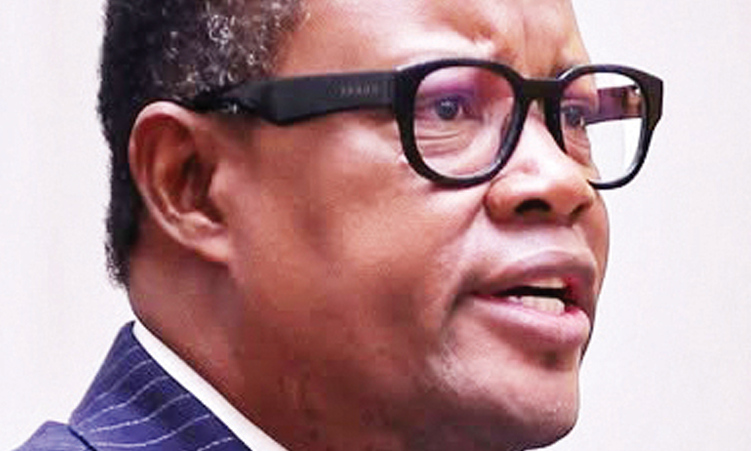
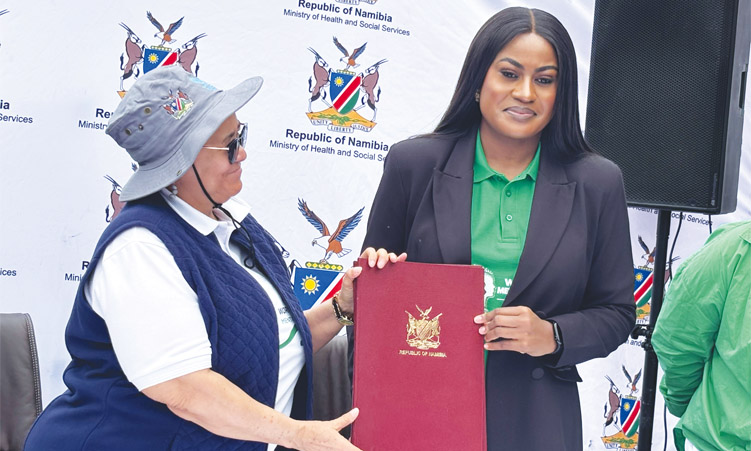
The requirement is part of six national commitments signed by health minister Esperance Luvindao during a World Mental Health Day event in Windhoek on Saturday.
The commitments aim to improve access to mental healthcare in Namibia.
Under the commitment, hospitals must incorporate fit-for-purpose mental health units into their functional designs, with provision for safe assessments, counselling and family engagement.
“No newly built public or private hospitals at district level or above may proceed unless its functional brief included a fit-for-purpose mental health unit,” she said.
The facilities must also meet requirements for dignity, accessibility, privacy and patient safety.
The measure seeks to address gaps in infrastructure, funding and the availability of specialised healthcare professionals over the next decade.
Luvindao said policy changes must translate into tangible improvements for people who struggle to access mental healthcare, especially those in underserved regions.
“We’re not going to fix everything at once. But what we’re doing is prioritising what is important,” she said.
The ministry reported 11 489 people admitted for mental health treatment during the 2024/25 financial year, with 91 544 mental health cases during the same period and 123 deaths among people with mental illness.
It attributes this to stigma and discrimination, family distress, social ills, and the impact on vulnerable groups.
Luvindao over the weekend said the ministry would introduce education for healthcare workers, public institutions and communities on stigma reduction and patients’ rights.
“The programme will meaningfully include people with lived experience of mental health conditions,” she said.
Currently, mental health services are only provided at Windhoek Central Hospital’s mental health unit and at Oshakati Intermediate Hospital’s ward 16, with only six psychiatrists, eight psychologists and 21 nurses trained to deal with the condition.
The ministry says it aims to have at least five mental health units operational nationwide by 31 March 2037.
It also plans to increase the number of doctors sent for specialist training in psychiatry to three annually, with the aim of producing 21 additional psychiatrists by 2037.
“This would ensure an accessible and adequately staffed workforce capable of meeting nationwide needs and support the implementation of the anticipated Mental Health Act of 2026,” Luvindao said.
The mental health bill, currently before the president for consideration, seeks to prioritise human rights, community care, and rehabilitation. However, Luvindao said legislation alone would mean little to a young man unable to access mental healthcare because of limited facilities.
The ministry has committed to increasing its mental health budget by at least 4% annually in each financial year from 2027 to 2037.
It plans to allocate at least 10% of revenue generated from private patients using state health facilities directly to mental health within the ministry’s approved budget.
The funds are expected to support mental health units, services, medicines, workforce development and community-based care.