


MEDICAL outreach programmes, indeed all outreach programmes, exist to assist, serve, encourage and empower underserved communities to build up sustainable systems.
For example, those that improve access to healthcare services, health promotion and disease prevention.
The term “outreach”, which implies community outreach, refers generally to “efforts to increase availability and utilisation of services, especially through direct intervention and interaction with the target population”. Outreaches have been in use since 1974.
Medical outreaches are ways to serve communities. Together with community members, these outreaches serve communities through a wide variety of health and wellness programmes, such as health talks and disease management services.
Its holistic approach is accomplished through the direct (ongoing) interaction and partnership with local community members, their healthcare providers and management services.
Healthcare, screening and educational programmes are brought to entire regions to benefit local people to have knowledge in order to make positive health and wellness choices.
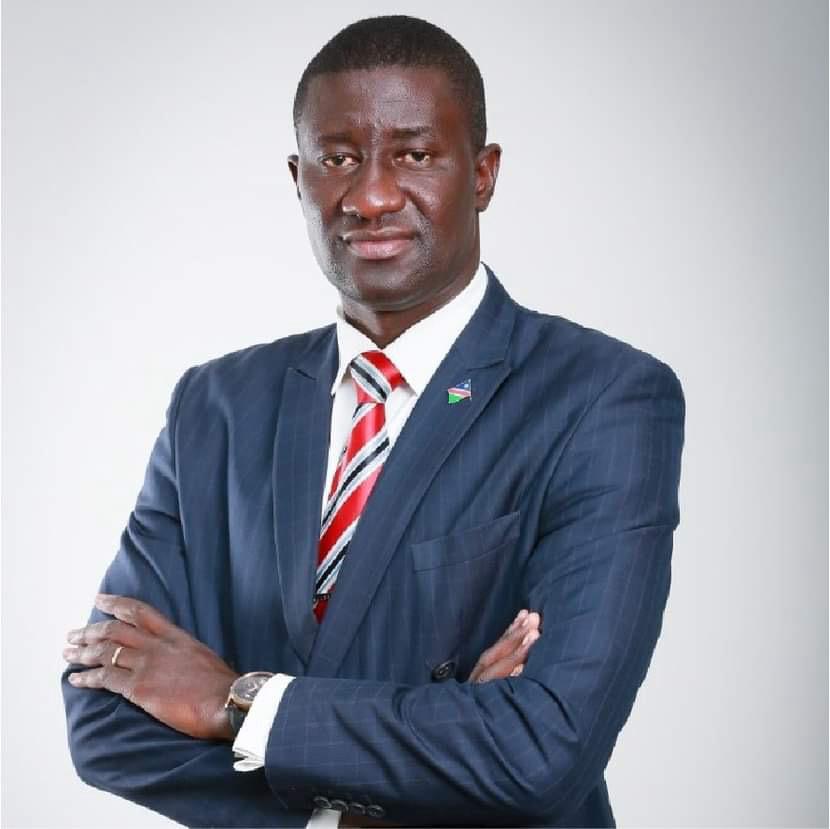
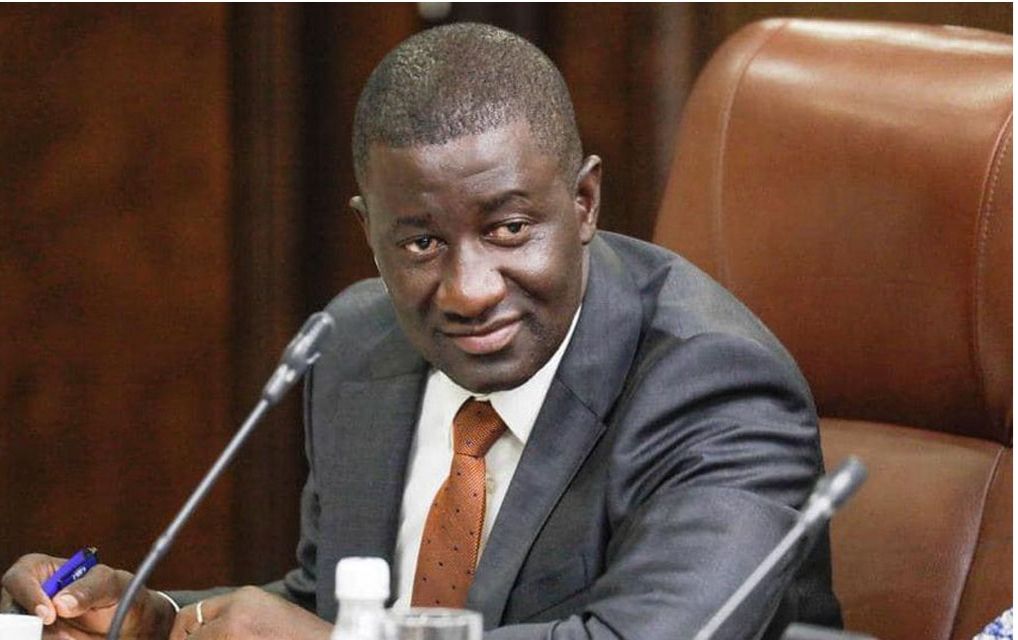
Bernard Haufiku, minister of health and social services, organised medical outreach visits to Zambezi and Ohangwena regions from 3 to 6 September 2015 for Zambezi region, and from 20 to 25 October 2015 for Ohangwena region. These outreaches followed on an initial maiden, preparatory outreach to Opuwo earlier in the year.
To carry out a fact-finding mission towards the long-term plan of upgrading our district hospitals to fully fledged regional ones, i.e. quality assurance.
To strengthen capacities of medical and nursing staff in the visited regions, through ongoing sharing and transfer of skills, ongoing teaching and training of all healthcare providers.To improve healthcare services in Namibia by bringing adequate, effective and holistic healthcare closer to the people, though strengthening provision of local healthcare, i.e. decentralisation of healthcare services.
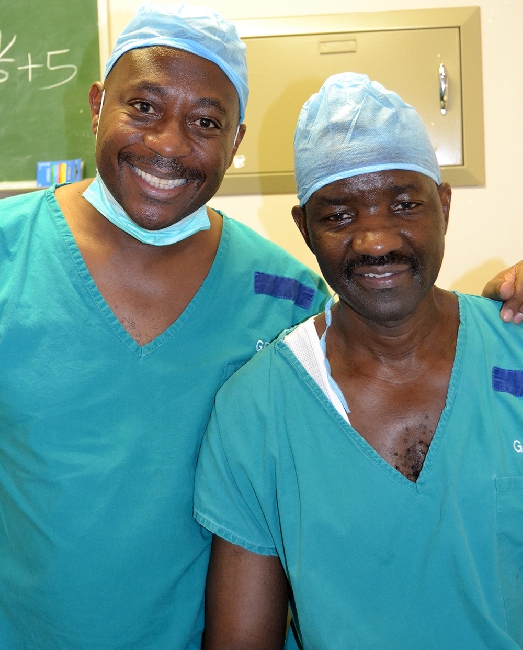
To impact knowledge and confidence in local doctors, as above, by participating in ongoing patient consultations, presentations, discussion of critical health conditions during ward rounds, out-patient department (OPD), casualty and performing surgical operations.
To reduce inappropriate, unnecessary and potentially perilous (while en-route) referral and transport of patients (e.g. a patient with a ruptured spleen, a fatal surgical condition, was promptly treated during outreach Ohangwena).
To reduce patient overload and burden in “already overburdened” referral hospitals. This allows for improved quality of healthcare, as more time and less resources are spent, hence rendering effective and holistic care to patients.
To create easy accessibility (including geographical and financial) to healthcare, which is both adequate and appropriate for the region. This allows patients, specifically those with chronic health conditions such as cancer for palliation, to be closer to their families and friends for psycho-social, financial and moral support, etc. To bring together Public and Private Practice.
To strengthen this public-private partnership in the improvement of healthcare provision for all in Namibia.
The outreach teams were composed of Haufiku, together with a large number of medical experts in various fields of medicine and dentistry, and in the case of Ohangwena, an ICU and scrub nurse.
The fields of expertise included primary healthcare, internal medicine, TB care, HIV, surgical disciplines (general surgery, orthopaedics, ophthalmology, urology, obstetrics and gynaecology), paediatrics, oncology, radiology and dentistry.
Most of the team members were from Windhoek. However, a number of colleagues joined the team from Rundu, Oshakati and Onandjokwe as well as the team of local doctors from the visited regions, their nurses and local healthcare providers. Notably, the team included a significant number of private practitioners.
The outreach tapped into local organisational expertise and collaboration with Oshakati State Hospital (Oshana region) and Onandjokwe Lutheran Hospital (Oshikoto region). Notable was the assistance from Fillemon Amaambo, a general surgeon who has practised in the area more than a decade before Namibian independence.
Indeed, these outreaches made history in Namibia, in that it was the first time that so much medical expertise, both quantitatively and qualitatively, descended on any of these regions to carry out work at the same time!
Preparation: The minister set up a formidable team in Windhoek to prepare, weeks in advance, the respective outreaches. A private company, Prosperity Health, was brought in to sponsor the air tickets between Windhoek and the Ohangwena region, as well as the hotel accommodation.
Ministry of Health staff in the visited regions and district hospitals were responsible for transport and other services for the outreach team locally.
It is commendable that there were no hiccups and/or constraints experienced during these outreaches, as planning for them well in advance significantly improved operations. E.g. lists of patients to be operated on were drawn up and communicated in advance; the necessary equipment was sourced from Oshakati State hospital and even critical nursing staff was obtained for the operations beforehand.
A prior participatory preparatory organisation with the local personnel was achieved by communication between the organising committee, prospective members of the outreach team, as well as the senior medical officer at Engela hospital, the primary hosting district hospital for the Ohangwena outreach. Preparations were finalised on pertinent issues before the trip commenced.
In an age of information overload, Sunrise is The Namibian’s morning briefing, delivered at 6h00 from Monday to Friday. It offers a curated rundown of the most important stories from the past 24 hours – occasionally with a light, witty touch. It’s an essential way to stay informed. Subscribe and join our newsletter community.

The Namibian uses AI tools to assist with improved quality, accuracy and efficiency, while maintaining editorial oversight and journalistic integrity.
Stay informed with The Namibian – your source for credible journalism. Get in-depth reporting and opinions for
only N$85 a month. Invest in journalism, invest in democracy –
Subscribe Now!