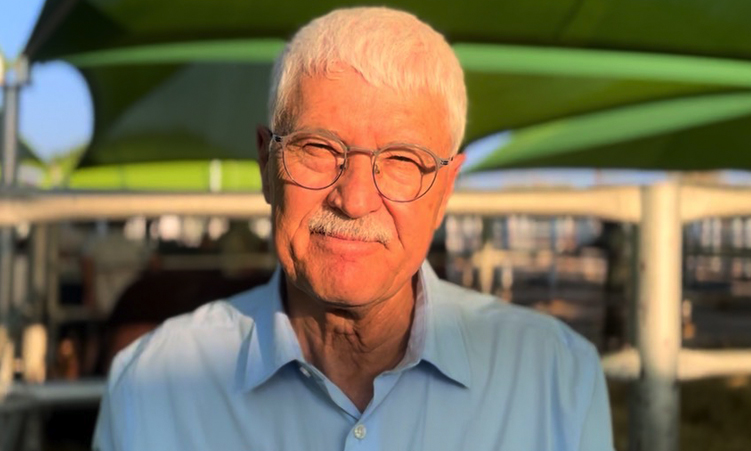








Former Lüderitz mayor Phil Balhao describes the time he served as an opposition councillor for the Independent Patriots for Change (IPC) and as mayor as a learning curve and a clash of ideologies.
Balhao says ideological differences in developmental initiatives caused delays in the implementation of projects until there was sufficient buy-in from fellow councillors, administrative staff and line ministries.
“In the beginning you did not always get their support, and things would take time. But with time I believe everybody earned their stripes and the work for the community started to pick up speed,” he says.
He adds that this needed to happen fast because people had already started looking toward Lüderitz due to the developments in the oil and gas industries.
“We were able to service 250 new erven to provide housing and we have also applied to the relevant ministries for the expansion of the coastal town’s boundaries,” says Balhao.
In terms of attracting investment, Balhao says he believes the council did well.
“There is a new mall under construction, as well as a new hotel. Basically, if you drive around Lüderitz there is construction taking place at almost every other corner,” says the former mayor.
Balhao has since left the IPC for the Landless People’s Movement (LPM) and says he is willing to stand for election should the LPM give their approval once administrative issues are sorted with the Electoral Commission of Namibia.
Mariental mayor Cherien Kock says the greatest challenge the council faced was a sprawling informal settlement. Kock says residents in the informal settlements could not receive services such as electricity or sanitation and were called “land-grabbers”.
“With the Covid-19 pandemic and the extended drought, many of the people who were working on farms were retrenched and moved back to Mariental, including those who lost their jobs due to the pandemic. However, we moved to formalise Takarania and Gogo’s informal settlements and have given the people erven with water and electricity,” says the mayor.
She says this project of restoring dignity to the people through providing land received a welcome boost from current minister of urban and rural development James Sankwasa who approved a budget of N$75 million.
“I can safely tell you that by next year, with this boost, we will not have informal settlements left at Mariental,” Kock says.
Another challenge the mayor highlights was the high unemployment rate, which led the council to not fill seven vacancies in the technical department on a permanent basis.
The council opted to employ residents on a revolving basis for two weeks per month, drawing from the unemployment database, with each participant earning a salary of N$3 000.
She says 6 000 people have been employed through this initiative so far, filling roles such as cleaning, gardening, fencing at the graveyard, or handling any technical needs of the council.
Kock is contesting the Mariental Urban constituency councillor position in the upcoming regional council elections. She advises younger incoming local authority councillors to build relationships with fellow councillors, technocrats and the community.
“I learned things do not happen as quickly as you want them to happen so learn to have patience. You must have patience for budgets, for people, for workflow challenges. Respect the administrative staff, they’ve been there for more than 15 years and know the space you will be operating in and you will need them. Be firm when need be but also request for help,” she says.