




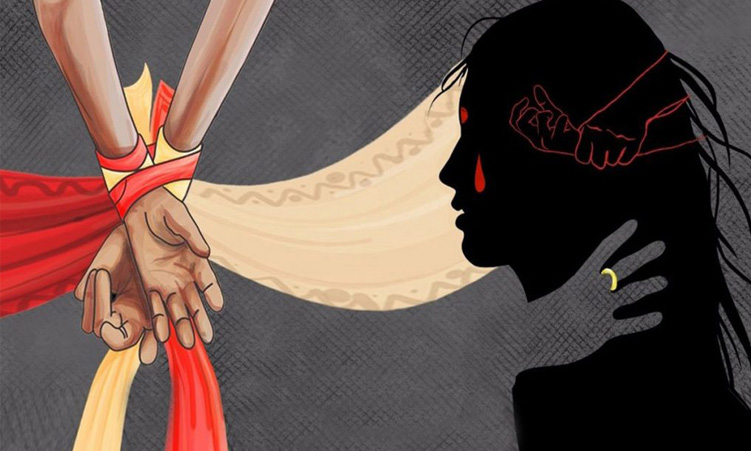
A man’s arrest for allegedly raping his wife in the Zambezi region last week has sparked renewed debate over marital consent in Namibia, exposing a deep rift between traditional beliefs and legal protections for women.
While some traditional leaders and religious figures insist there is no such thing as rape within marriage – citing cultural norms and religious obligations – others argue that forcing sex on a partner without consent remains a violation, regardless of the relationship.
Oukwanyama Traditional Authority spokesperson Andrew Naikaku has condemned the marital rape of women as a violation.
“Traditionally we do not condone this, this is not only a violation, but a crime. They need to consult with one another. A husband has to wait until the wife feels better if she doesn’t want to do anything,” he says.
However, Ovaherero traditional leader Tjizapouzeu Uahupirapi – aligned with Mutjinde Katjiua’s faction – insists there is no such thing as rape within marriage, as couples enter this union to satisfy one another.
“When a man and women marry, they agree they will be intimate together until death. Traditionally a man may not be attracted to others, they need to satisfy each other,” he says.
Uahupirapi says traditionally rape can only occur if a husband and wife separate or plan to get divorced. In this case, sex without consent would be regarded as rape.
He says marriage involves an agreement to have sex with each other.
“A man cannot rape his wife unless the love has ended or the relationship has ended,” he says.
Ovaherero Traditional Authority (OTA) faction leader Hoze Riruako would not comment on the matter.
“I cannot comment on this sensitive matter, any other matter I will comment on,” he said yesterday.
FACT CHECK
The debate about marital rape goes back for years.
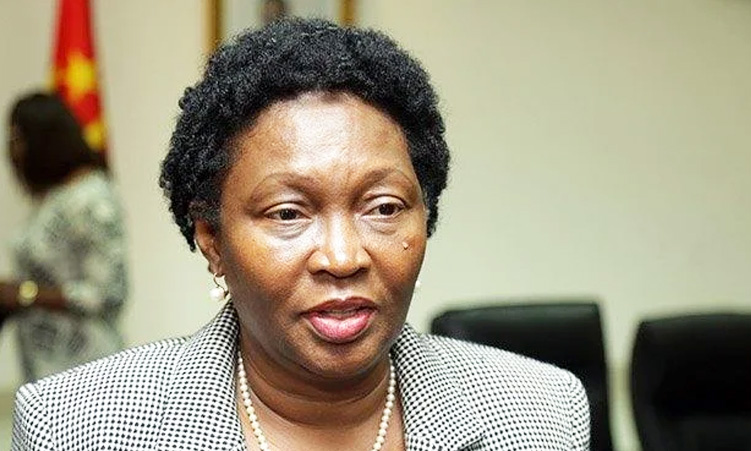
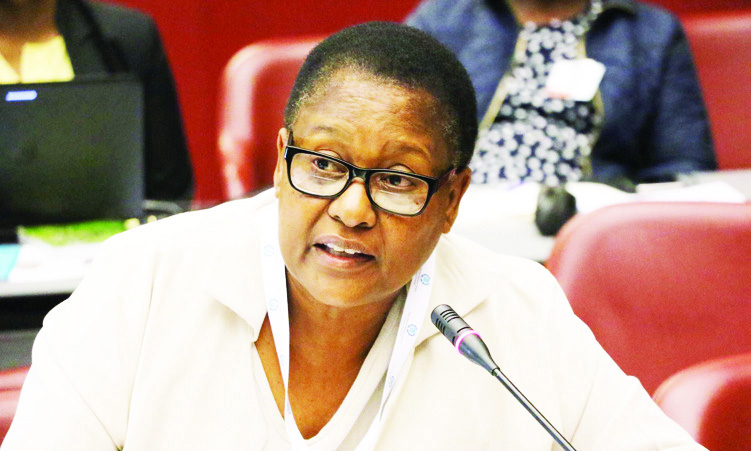
Three years ago, Popular Democratic Movement (PDM) parliamentarian Elma Dienda said she believes rape does not exist in marriage, as a husband or wife cannot rape their spouse.
“Honestly, minister, I am one of the people who do not support the thing of husband and wife claiming to be raping each other. . . You cannot deny your partner his right [to your body],” she said in parliament.
Namibia Fact Check, a project of the Institute for Public Policy Research, flagged her comment, claiming it was misinformation.
It pointed out that spousal rape is a crime in Namibia, referring to the Combating of Rape Act 8 of 2000, section 2(3), which states: “No marriage or other relationship shall constitute a defence to a charge of rape under this act.”
Legal consultant Dianne Hubbard, the long-time head of the Gender Research and Advocacy Project at the Legal Assistance Centre (LAC), is quoted in the involved fact-check report as saying: “The Combating of Rape Act makes it clear that marriage is not a defence to a charge of rape, meaning that spouses have no special rights in this regard.
“However, it should also be noted that denial of intimate relations in general without any reasonable grounds may be considered grounds for divorce under the current law, as a form of constructive desertion . .
.
“But there is no law that allows one spouse to force the other spouse to engage in any sexual act. This would clearly be a crime.”
Islamic Centre spokesperson Imaam Abdul Aharum yesterday told The Namibian it is forbidden in Islam for a husband and wife to deny each other sex.
“That is not rape. In Islam, it is a sin for a husband and wife to refuse each other a conjugal relationship. Those who share a bed have completed all the necessary steps to become a valid and lawful husband and wife,” he said.
Aharum said Islamic law states that all couples have an obligation to one another to fulfil their marital duties.
Refusing sex is only allowed if there is a legitimate reason, such as sickness, he said.
POWER DYNAMICS
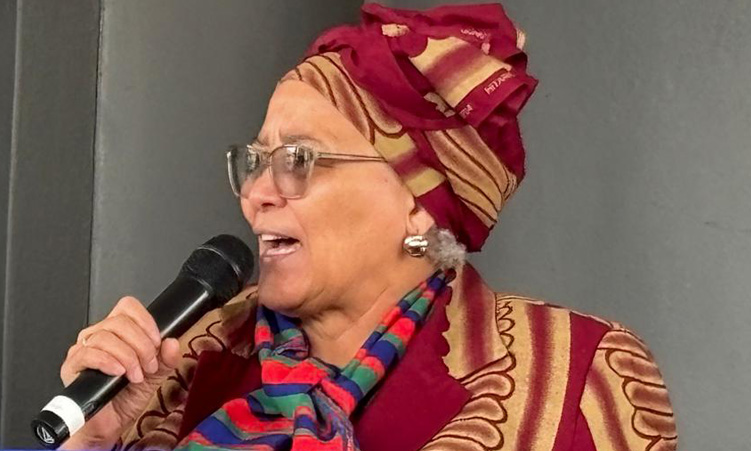
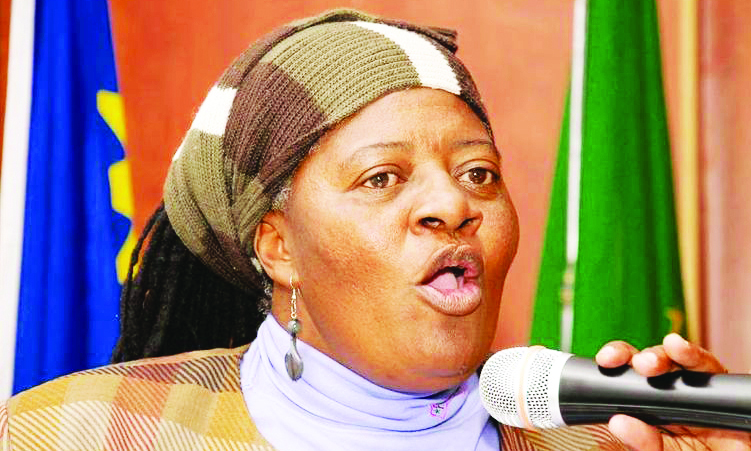
Human rights activist Rosa Namises says the power dynamics within a marriage can often lead to the overpowering and control of women.
“Just because you are married, does not mean you consented to be maritally raped,” she says.
According to Namises, the resistance to acknowledging marital rape by some traditional authorities and religious institutions perpetuates a dangerous notion: that women and wives possess no inherent rights within the confines of marriage.
To counter this, she points out that legal frameworks such as the Married Person’s Equality Act, the Domestic Violence Act, and the Sexual Harassment Act have been enacted precisely to broaden the definition of what constitutes rape, explicitly including acts within a marriage.
The Combating of Rape Act of 2000 explicitly states that marriage or any other relationship cannot be used as a legal defence against a charge of rape under this act.
Namises says this is to protect women from men demanding sex.
“Culturally, a man cannot have sex with his wife after she has given birth, and he cannot have sex with her when she is menstruating,” she says.
The debate around marital rape was reignited after regional police spokesperson inspector Kisco Sitali last week said a Zambezi resident (39) was arrested for allegedly raping his wife.
Sitali said the suspect allegedly had sex with his wife on 10 December 2024 without her consent and threatened to kill her at their homestead in the Kaliyangile area.
FOR BETTER OR WORSE
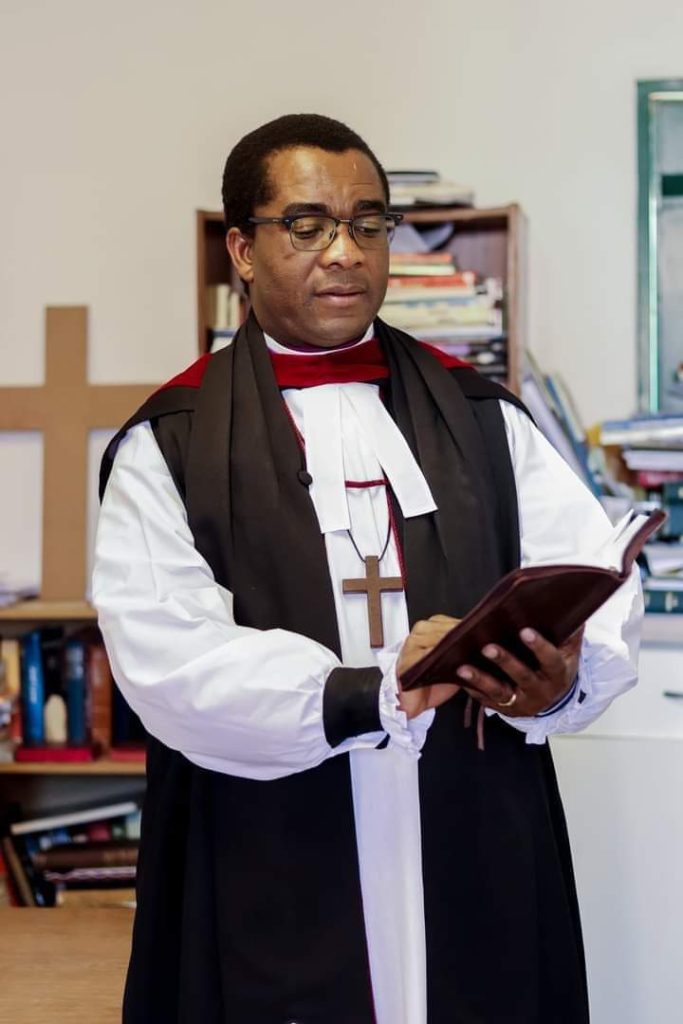
Bishop Lucas Katenda says rape within marriage happens because men do not realise that the purpose of marriage is to take care of one another, companionship, and to have and raise children.
“A man who rapes his wife doesn’t understand. It’s a duty a person must fulfil with diligence, with a sense of dedication and responsibility and the sensitivity it requires. You are dealing with a person. You are not dealing with a robot,” he says.
He says those who commit such heinous acts often do so due to a lack of premarital counselling, jumping into relationships without taking due diligence or setting the right foundations.
Katenda says proper courtship and counselling has to be considered before couples get married.
“If a man is raping his wife, maybe he is a rapist.”
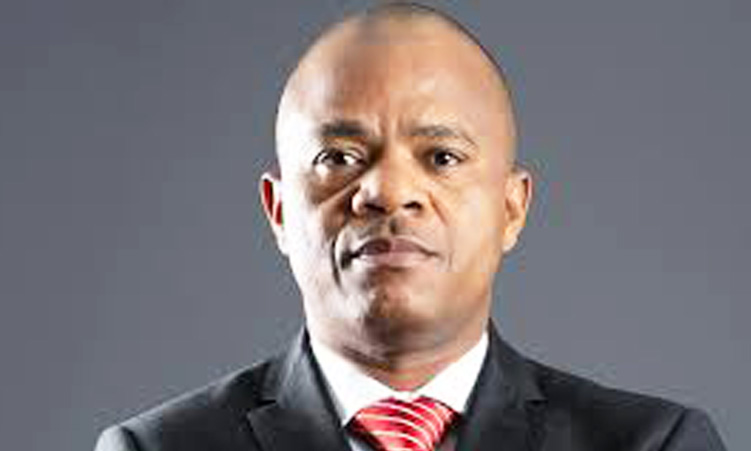
Addressing this fundamental violation, Namibia National Men’s Conference founder Fillemon Amoolongo says the violation of women within the marital union is a breach of trust, dignity, and a criminal act.
“Marriage is not a licence to violate a partner’s bodily autonomy, and that is what we constantly preach at all our conferences,” he says.
Amoolongo says consent must be given at all times – regardless of relationship status.
“The conference calls on Namibian men to reflect on their attitudes, educate themselves, and become allies in ending all forms of abuse.” he says.
In an age of information overload, Sunrise is The Namibian’s morning briefing, delivered at 6h00 from Monday to Friday. It offers a curated rundown of the most important stories from the past 24 hours – occasionally with a light, witty touch. It’s an essential way to stay informed. Subscribe and join our newsletter community.

The Namibian uses AI tools to assist with improved quality, accuracy and efficiency, while maintaining editorial oversight and journalistic integrity.
Stay informed with The Namibian – your source for credible journalism. Get in-depth reporting and opinions for
only N$85 a month. Invest in journalism, invest in democracy –
Subscribe Now!