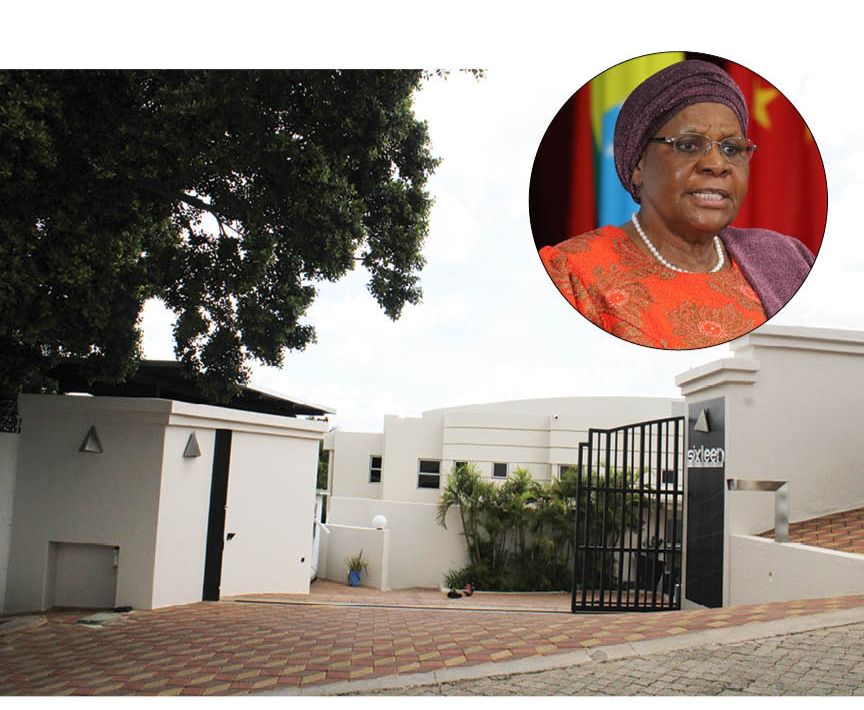





The nationwide magistrates’ strike risks delaying liquor licence approvals, potentially affecting businesses and communities dependent on timely renewals and short-term permits.
Several key board meetings scheduled for today to approve liquor licences may be delayed without magistrates to chair them.
The Namibian has been informed that the second-last regional liquor licensing committee meeting of 2025 may not take place due to the strike.
“The liquor board decides on applications for licences for establishments ranging from hotels, shops, wholesalers, game lodges, and shebeens,” a source says.
“The board also handles amendments to existing licences, such as changes to conditions of sale, meaning even some current licence holders could face delays,” the source adds.
The committee consists of a police officer who holds the rank of a deputy commissioner, a secretary who is a clerk of court, a social worker, a health officer, and a magistrate.
The Liquor Act states that a committee must hold 12 meetings during the year to hear applications on the second Wednesday of every month. The last meeting of the year is scheduled for 17 December.
Office of the Judiciary spokesperson Vikitoria Hango yesterday confirmed that magistrates, as chairpersons of the committee meetings, must be present to preside over proceedings.
“Sometimes you would find that if there is no quorum, the meeting does not take place, or when the chairperson is not around it may not take place because they are the presiding officers,” she said.
NOBODY KNOWS
“I can’t say this time around what will happen tomorrow because of the go-slow strike. That one we will only know tomorrow, because there are some magistrate officers who up to now are operating, and some are probably not attending to matters.”
Oshana police head of operations deputy commissioner Elizabeth Nashandi, who represents the regional police on the regional liquor licensing committee, yesterday said she did not know whether today’s meeting would take place.
“You can consult the secretary of the liquor board on that,” she said.
Omusati regional commander commissioner Ismael Basson says the regional meeting took place last week, but no decision was made due to the ongoing strike.
“We are waiting for another meeting this month, we don’t know the exact date,” he says.
Neither Namibia Local Business Association president and deputy president, Erastus Shapumba and Peter Amadhila, would comment on the matter.
Shapumba said he had been out of the country and had just arrived, while Amadhila said he was on leave.
“I don’t think it has in any way affected our members,” Shapumba said.
Namibia Chamber of Commerce and Industry chief executive Titus Nampala yesterday said he had to check with his team before he could comment.
“We haven’t had any commentary on that, but the first thing is obviously that if the legal system comes to a halt it would affect multiple countries, including commerce, but we have not had any commentary as far as I am aware,” he said.
Hospitality Association of Namibia chief executive Gitta Paetzold says the ongoing strike does not affect the hospitality industry as the bulk of the licences are issued once a year in March.
She says short-term liquor licences may, however, be affected by the ongoing strike.
“It may be very harmful to those liquor outlets and communities that depend on the right operating licences to make a living and provide services,” she says.
Metro Wholesalers Keetmanshoop branch manager Collin Gariseb yesterday said he would be angry with the government if his liquor licence was not renewed due to the absence of magistrates.
He said his expected income from liquor sales per day is N$164 000, and up to N$2 million per week.
“From Monday to Saturday I must make about N$2 million, because most of my customers are wholesalers buying for their businesses in the town, villages, settlements and farms,” Gariseb said.
He said he is in support of the magistrates’ strike, although it affects not only criminal cases but also businesses.
Gariseb said he is expected to attend the upcoming liquor licence meeting as he cannot risk Metro’s ability to serve their customers ahead of the festive season.
Klein-Aus Vista Lodge food and beverage manager Giraux van der Merwe says it is unthinkable not to have a valid liquor licence throughout the year, and much more during December.
Van der Merwe says the food and beverages department generates a sizable daily income for the lodge apart from income from its accommodation facilities and game drives.
“We serve two main meals per day, including lunch, and that will come with some kind of liquor beverage.
“Our food and drinks services are used by booked-in customers, as well as day visitors. Most of our tourists stay for not less than three days and they like their beer, fine wine and strong liquor,” he says.
Lawyer Norman Tjombe says the impasse with the magistrates must be resolved speedily.
He says the conditions of service for magistrates is a matter of extreme importance as issues such as the renewal of liquor licenses will fall by the wayside.
Not only do magistrates have the important task of administering justice in all matters of life, but they are also the first point of contact with the justice system for the overwhelming majority of people.
“The business community forms part of the majority of the people. Should they not be able to renew their liquor licences, imagine they can not buy liquor or conduct their business by trading. They can suffer real losses to their income.
“I feel we should spend our money on family, but we live in a world where people are expecting services from designated authorities who should provide that service for law and order to be maintained within that space,” Tjombe says.
Thus, he says it is important that magistrates are appropriately remunerated, as it has serious implications for the independence of the judiciary and the competence of magistrates.
In an age of information overload, Sunrise is The Namibian’s morning briefing, delivered at 6h00 from Monday to Friday. It offers a curated rundown of the most important stories from the past 24 hours – occasionally with a light, witty touch. It’s an essential way to stay informed. Subscribe and join our newsletter community.

The Namibian uses AI tools to assist with improved quality, accuracy and efficiency, while maintaining editorial oversight and journalistic integrity.
Stay informed with The Namibian – your source for credible journalism. Get in-depth reporting and opinions for
only N$85 a month. Invest in journalism, invest in democracy –
Subscribe Now!