



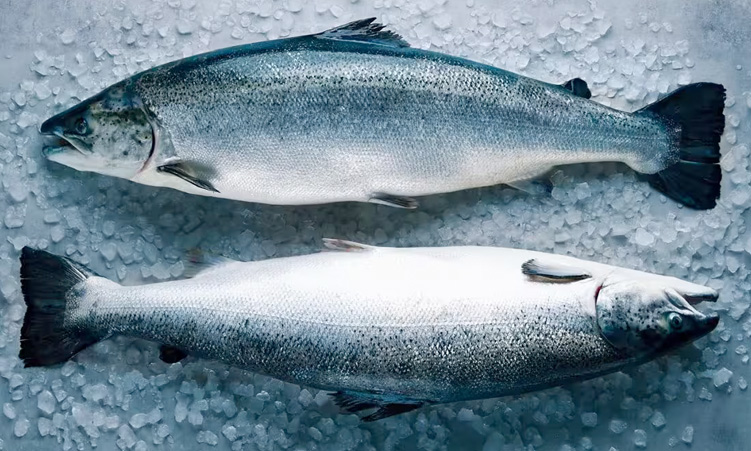
The Atlantic sea-based salmon fish farm at Lüderitz is projected to create 5 000 jobs over a period of 15 years.
This was confirmed by Norway-based African Aquaculture Company chief executive Helge Krøgenes in an interview with The Namibian last week.
“We project an estimated 5 000 jobs in the 15-year tenure of our operations. But the possibility is there that this number could increase when operations actually commence,” he said.
Krøgenes explained that 1 500 jobs are estimated to be created in the farming operation, and then 3 500 jobs when in full production.
He said these jobs will be created in processing, distribution, marketing, sales and in building up a supply industry, as well as marine competencies for operating vessels and diving services.
At full production the company says it plans to be processing 51 000 tonnes of fish.
In Norway, fish farming is the second largest export sector after oil and gas.
Besides job creation, Krøgenes told The Namibian the project has “massive potential” for the country’s export capacity and will contribute to diversifying the economy.
“It can match the current value of the total fishing industry and double the fisheries sector contribution to the gross domestic product by 8%. Other areas of benefit are the academic, scientific research, and technologies sectors,” he said.
Krøgenes added that the venture will employ practices that combine economic benefit with sustainability and environmental protection.
“The African Aquaculture Company hereby confirms that its premise is based on environmentally sensitive farming as our commercial output exclusively depends on environmentally sustainable practices that produce highest quality salmon for its export objectives,” Krøgenes said.
Krøgenes said Norway and other salmon farming producers have experienced challenges over the last five decades and are now working on a body of knowledge to help them navigate these issues.
“The first thing to consider is that these fish will be bred in pens under controlled conditions. There will be no exposure to indigenous fish species. Part of the major aspects of this control is the kind of monitoring technology used in this process,” he said.